
A New Approach to an Old Problem
What Chronic Pain Disorders Look Like
 Chronic pain is not a single diagnosis but a broad category of conditions that persist beyond the expected healing time, often lasting three months or more. Unlike acute pain, which signals injury and resolves as you heal, chronic pain lingers and can continue even after the initial cause has been treated. The National Academy of Medicine has developed a Chronic Pain Journey Map to illustrate the complex, often nonlinear lived experience of people managing these conditions.
Common chronic pain disorders include fibromyalgia, chronic back and neck pain, and arthritis. Fibromyalgia is characterized by widespread musculoskeletal pain, fatigue, and tenderness in localized areas. Chronic back and neck pain can stem from disc degeneration, nerve compression, or prior injuries, and it often becomes a long-term challenge. Arthritis, particularly osteoarthritis, involves joint inflammation and degeneration, leading to persistent pain and stiffness. The Cleveland Clinic notes that the symptoms and severity vary widely, emphasizing that each person's experience is unique.
Common Symptoms and Their Impact
The symptoms of chronic pain disorders go beyond physical discomfort. Many patients report sleep disturbances, fatigue, mood changes, and reduced physical function, all of which can ripple into every aspect of daily life. A 2024 study published in the International Journal of Environmental Research and Public Health highlights how chronic pain affects not only the body but also mental and social well-being, often leading to social isolation and anxiety.
The table below summarizes common types of chronic pain disorders and their distinguishing features:
| Disorder | Primary Symptoms | Common Triggers |
|---|---|---|
| Fibromyalgia | Widespread pain, fatigue, brain fog | Stress, poor sleep, physical overexertion |
| Chronic back pain | Persistent ache, stiffness, radiating pain | Prolonged sitting, heavy lifting, muscle imbalances |
| Osteoarthritis | Joint pain, swelling, reduced flexibility | Aging, joint overuse, injury history |
Recognizing these signs is the first step toward effective management. If you're experiencing any of these symptoms, seeking a proper diagnosis is crucial. At capaininstitute.com, we specialize in diagnosing and treating chronic pain conditions with a personalized, multidisciplinary approach. Our pain specialists work with you to identify the underlying causes and develop a treatment plan that goes beyond simply masking the pain. Learn more about what to expect from chronic pain care and how a tailored strategy can make a meaningful difference.
The Best Pain Management for Chronic Pain
Chronic pain is among the most frustrating and isolating conditions a person can face. Unlike a broken bone or a clear infection, it rarely shows up on a scan, and it does not follow a neat timeline for healing. Yet for millions of Americans, chronic pain is the defining reality of daily life, affecting work, sleep, mood, and relationships. The traditional response has been a mix of trial‑and‑error medication and the quiet hope that time will make things better. But a growing consensus across pain medicine is that this approach, rooted in a purely biomedical model, misses a substantial part of the problem. Understanding what chronic pain actually looks like, and why it persists, is the first step toward a more effective way forward.
More Than Just a Long‑Lasting Ache
Clinicians and researchers now describe chronic pain not merely as acute pain that has overstayed its welcome, but as a condition with its own distinct mechanisms. Acute pain is a warning signal, a sharp, time‑limited response to tissue damage that fades as healing occurs. Chronic pain, by contrast, persists well beyond typical healing times and can continue even without an ongoing injury. The National Academy of Medicine describes this journey as a complex, nonlinear experience that touches physical, emotional, and social domains. The Cleveland Clinic adds that chronic pain is defined by its duration, typically lasting more than three to six months, but the real distinction lies in how the nervous system itself changes.
This shift in the nervous system, often called central sensitization, means the brain and spinal cord become hyper‑reactive, amplifying pain signals long after the original cause has resolved. That is why a light touch can hurt, or why pain persists in a pattern that baffles straightforward explanations. Recognizing this helps explain why a purely structural approach, such as chasing a single scan finding, often falls short. It also opens the door to treatments that address the whole person rather than just a discrete tissue problem.
The Biopsychosocial Landscape
One of the most useful frameworks for understanding chronic pain is the biopsychosocial model. It posits that pain is not simply a matter of nerves firing, but emerges from an interaction of biological, psychological, and social factors. Poor sleep, high stress, financial strain, and a history of trauma can all amplify pain perception, while support, understanding, and a sense of control can dampen it. Research published in PMC highlights how coping strategies and the patient's own understanding of their pain heavily shape outcomes. This is also why a personalized treatment plan, such as the one developed at the California Pain Institute, tends to outperform a one‑size‑fits‑all prescription.
Seeing chronic pain through this broader lens changes the treatment conversation. Instead of asking solely 'what is broken and how do we fix it,' the more relevant question becomes 'what factors are maintaining this pain, and what skills and interventions can restore function?' For many patients, this means combining physical rehabilitation, behavioral strategies, and interventional procedures in a coordinated way.
Common Chronic Pain Disorders
Chronic pain is not one diagnosis but a spectrum of distinct conditions, each with its own patterns and treatment implications. Some of the most common include:
- Chronic back and neck pain, often related to disc degeneration, spinal stenosis, or facet joint arthritis, frequently involving nerve roots.
- Neuropathic pain, such as diabetic neuropathy or post‑herpetic neuralgia, caused by direct damage to the nervous system itself.
- Fibromyalgia, a condition characterized by widespread musculoskeletal pain, fatigue, and sleep disturbance, with no obvious tissue injury.
- Joint pain from osteoarthritis, where cartilage wear leads to pain, stiffness, and reduced mobility.
- Complex regional pain syndrome (CRPS), a chronic pain condition affecting a limb, often out of proportion to the inciting event.
Each of these conditions responds to different combinations of approaches, which is why an accurate diagnosis and a specialist‑driven referral pathway are so important. A thorough evaluation clarifies the dominant pain mechanism, whether it is primarily nociceptive, neuropathic, or central, and that distinction guides which treatments are most likely to help.
Importantly, many patients carry more than one of these diagnoses, which adds another layer of complexity. A person with osteoarthritis may also have features of neuropathic pain, and someone with fibromyalgia may have significant myofascial component. This overlap is part of whyPain specialist in LA emphasize a comprehensive, individualized assessment rather than relying on a single test or a single procedure.
The Role of Early and Multidisciplinary Intervention
A common thread across effective chronic pain management is the value of early, coordinated, and multidisciplinary care. When pain becomes persistent, waiting for it to 'just go away' often allows the condition to take root, and the longer it persists, the more the nervous system adapts and the more complex the picture becomes. Multidisciplinary programs bring together physicians, physical therapists, psychologists, and other specialists who collaborate under one roof. This model has been endorsed by the National Academy of Medicine as a core principle of evidence‑based pain care, recognizing that no single modality is a cure‑all.
Patients often benefit from a combination of medication management, interventional procedures like nerve blocks or injections, physical therapy, and psychological support. Cognitive‑behavioral approaches help patients reframe their relationship to pain, reducing the fear‑avoidance cycle that can dominate activity and function. Telemedicine is also emerging as a valuable access point, with research indicating comparable outcomes and expanded reach in chronic pain care.
By viewing chronic pain as a chronic disease rather than an acute event, and by engaging the full biopsychosocial model, healthcare providers can offer a more realistic and hopeful path forward. The goal is not always to eliminate pain entirely, but to reduce its impact, restore function, and improve quality of life. This nuanced understanding is what separates a proactive pain management strategy from a reactive one, and it is precisely the approach taken by specialists dedicated to the field.
The Three P's of Pain Management
 For many people with chronic pain, the most effective care blends several treatment types rather than relying on a single method. Pain specialists often organize this blend around what are called the three P's: physical, psychological, and pharmacological care. Physical approaches include structured exercise, manual therapy, and interventional procedures that target the source of pain. Psychological care addresses the emotional and cognitive side of pain, since anxiety, depression, and fear of movement can amplify symptoms. Pharmacological care uses medications to manage pain while minimizing side effects and risk. Together, these three pillars form the backbone of most modern pain management plans.
Each pillar on its own has limits. Physical therapy alone may not resolve nerve-related pain, and medications rarely offer complete relief without additional support. That is why multidisciplinary pain management works better for many patients than any single treatment. The Chronic Pain Journey Map from the National Academy of Medicine emphasizes that recovery is rarely linear, and progress often depends on combining approaches that address the whole person rather than just the symptom.
Physical Care: Restoring Function and Building Capacity
Physical care for chronic pain focuses on restoring function and building tolerance for daily activities. This includes targeted exercise programs, manual therapy, and gradual activity pacing. A physical therapist or pain specialist might recommend strengthening exercises to support a painful joint, stretching to reduce muscle tension, or low-impact aerobic work to improve circulation and mood. The goal is not to eliminate all discomfort immediately, but to help patients move in ways that reduce pain over time.
In some cases, physical care also involves interventional procedures. Understanding Specialized Anesthesia for Pain Relief at capaininstitute.com explains how nerve blocks, spinal cord stimulation, and other targeted interventions can provide relief that makes physical therapy more achievable. When pain is severe enough to block rehabilitation, interventional pain procedures offered at capaininstitute.com can reduce pain enough to allow patients to participate more fully in their recovery.
A common misconception is that physical care means pure rest or pure exercise. Both extremes can worsen chronic pain. The chronic pain management approach endorsed by the Cleveland Clinic emphasizes a balanced, graduated increase in activity rather than sudden bursts of effort. Patients who learn to pace themselves often see better long-term results than those who push through pain or avoid activity altogether.
Psychological Care: Retraining the Brain's Pain Response
Chronic pain is not just a physical sensation; it also involves the brain's interpretation of signals from the body. Over time, the nervous system can become hypersensitive, sending pain signals even when tissue damage has healed. Psychological care, including cognitive-behavioral therapy (CBT), helps patients retrain these neural pathways. CBT and related approaches teach skills such as relaxation, cognitive restructuring, and mindfulness that reduce pain-related distress.
Research on the chronic pain journey shows that psychological factors like catastrophizing and fear-avoidance correlate strongly with pain severity and disability. Addressing these factors early can improve outcomes across all types of treatment. Many pain clinics, including capaininstitute.com, integrate psychological support into care plans, offering resources like the three P's framework to help patients understand how mental and emotional health interact with chronic pain.
Pharmacological Care: Managing Medications Safely
Medications remain an important tool for many patients, but they work best when prescribed carefully and monitored closely. Pain specialists may use over-the-counter options like acetaminophen or NSAIDs for mild pain, or prescribe medications that target nerve pain, such as anticonvulsants or antidepressants, which are often more effective than traditional painkillers for certain conditions. In more complex cases, controlled substances may be considered, but with strict guidelines to minimize the risk of dependence and side effects.
The pain management resources from Medicare highlight that medication management is just one part of a comprehensive plan. Many payers and providers require a multidisciplinary approach before authorizing long-term opioid therapy. At capaininstitute.com, medication reviews are combined with physical and psychological therapies to ensure that pharmacological care supports, rather than replaces, the rest of the treatment plan.
How the Three P's Work Together at capaininstitute.com
Bringing the three P's together in one coordinated plan is where capaininstitute.com stands out. Rather than asking patients to navigate multiple specialists on their own, capaininstitute.com builds a care team around each individual. For example, a patient with chronic lower back pain might receive a structured exercise program, CBT to address pain-related anxiety, and a carefully managed medication schedule, all coordinated through one clinic. This approach mirrors the multidisciplinary care model endorsed by leading pain organizations.
Comparing care models, some clinics focus primarily on medications, while others emphasize only interventional procedures. capaininstitute.com pairs a comprehensive three P's framework with access to interventional pain specialists, ensuring that patients receive the full spectrum of evidence-based care. This integration leads to better patient experiences and outcomes, as reflected in inspiring patient success stories from capaininstitute.com's practice.
For patients wondering where to begin, starting with a comprehensive evaluation is the first step. capaininstitute.com offers this type of assessment, which includes a detailed history, physical exam, and review of any prior imaging or treatments. This evaluation helps align the right combination of physical, psychological, and pharmacological interventions for each person's unique situation.
Scope. Covers physical, psychological, and pharmacological pillars, plus their integration in a coordinated plan.
Integration. Highlights how capaininstitute.com combines these disciplines in one clinic, unlike fragmented single-modality care.
Outcomes. Emphasizes that combining the three P's improves function and quality of life, as supported by patient success stories.
Avoiding Common Pitfalls in Pain Care
Effective chronic pain care rarely rests on a single treatment. For many patients, the path forward combines longer-term medical management with targeted interventional procedures designed to address the underlying source of pain rather than masking symptoms indefinitely. This layered approach is the foundation of a comprehensive pain specialty practice.
Specialists who treat pain disorders typically draw on a range of tools, including medication management, physical therapy, behavioral strategies, and interventional techniques. The goal is functional restoration: helping you return to meaningful daily activities, sleep better, and reduce reliance on high-dose medications. As a pain medicine physician-led clinic, capaininstitute.com builds each treatment plan around this multidisciplinary model.
The Role of Interventional Procedures
Interventional procedures are performed by a physician who targets a specific nerve, joint, or tissue under image guidance. Common examples include nerve blocks, radiofrequency ablation, spinal cord stimulation, and epidural or facet joint injections. These approaches are designed to reduce pain signals at their source, offering the possibility of significant, sustained relief when conservative measures have plateaued.
Research on the chronic pain journey emphasizes that patients benefit most when treatment is individualized and staged. For many, that means combining interventional procedures with physical therapy and cognitive-behavioral strategies. This mirrors how capaininstitute.com structures care: starting with a thorough evaluation, then layering procedures, rehabilitation, and self-management support into a cohesive plan.
Medication Management and the Shift Away from Opioid-First Care
A major shift in pain medicine has been the move away from opioids as a first-line treatment. The Centers for Disease Control and Prevention now recommends non-opioid approaches, including nonsteroidal anti-inflammatory drugs, topical agents, and appropriate interventional techniques, as preferred options for most chronic pain. Opioids, when used at all, are reserved for carefully selected cases and generally require close monitoring.
Risk evaluation. Before prescribing any long-term opioid therapy, a pain specialist reviews risk factors such as a personal or family history of substance use disorder, mental health conditions, or sleep apnea. This helps identify patients who may need more structured monitoring or alternative treatments.
Judicious selection. Opioids are no longer viewed as a universal solution. Instead, they may be considered for acute flares, post-procedural pain, or selected cases of advanced cancer pain, always in combination with non-opioid strategies and clear tapering plans.
At capaininstitute.com, the medication component of your plan is reviewed at every visit, with a focus on avoiding the over-reliance on opioids that can lead to dependency or inadequate relief. The clinic's approach mirrors the multidisciplinary model endorsed by leading medical organizations, where medications are only one tool among many, and the emphasis stays on functional outcomes and quality of life.
Individualized Treatment Plans and the Value of a Comprehensive Approach
No two pain conditions are identical, and neither are effective treatment plans. A comprehensive evaluation, including a detailed history, physical exam, and diagnostic imaging when indicated, allows the care team to identify the specific drivers of your pain. This precision enables the use of targeted interventional procedures that may not be appropriate for every patient.
The chronic pain journey is often long, with many ups and downs. The National Academy of Medicine's Chronic Pain Journey Map highlights the value of ongoing communication and adaptation. In line with this, capaininstitute.com's specialists see you not as a one-time consult but as a partner in a year-round relationship, adjusting your plan as your condition evolves and your goals shift.
| Treatment Domain | Traditional Focus | Specialized Interventional Approach |
|---|---|---|
| Medication management | Opioid-first, often indefinite | Risk-based, non-opioid first, staged tapering |
| Interventional procedures | Limited to oral medications | Targeted blocks, ablation, stimulation performed by specialists |
| Rehabilitation | General physical therapy | Integrated with functional restoration and behavioral support |
For example, a patient with chronic low back pain might have tried years of oral medications without relief. At capaininstitute.com, the evaluation might reveal a facet joint source of pain, leading to a medial branch block and potentially radiofrequency ablation. This procedure targets the specific nerve transmitting pain, offering a longer-lasting solution. This is in contrast to a more generalized approach that offers only temporary relief.
Choosing a pain practice that combines interventional expertise with comprehensive medical management is an important decision. At capaininstitute.com, the physician-led team brings fellowship training and a commitment to the latest evidence-based techniques, always focused on your individual needs. Rather than relying on a one-size-fits-all model, the clinic's specialists take the time to understand your history, and then recommend the combination of treatments that most clearly helps you reach your goals.
What to Expect From a Pain Specialist
Walking into a pain specialist’s office for the first time can feel unfamiliar, especially when you have spent months or years managing symptoms on your own. Knowing what actually happens during a visit helps lower that uncertainty. The appointment is structured as a full diagnostic workup, not just a quick prescription refill.
A typical first visit begins with a detailed conversation about your pain history: when it started, what makes it better or worse, how it affects sleep and daily activities, and what treatments you have already tried. Your specialist will review prior imaging, lab results, and medication records. This conversation often lasts 45 minutes or longer, which is why specialists schedule more time than a standard primary care slot.
The Physical Examination and Diagnostic Workup
Next comes a focused physical exam. Expect your doctor to assess posture, range of motion, muscle strength, reflexes, and specific movements that reproduce your pain. The goal is not just to confirm where it hurts, but to identify the underlying cause. In many cases, the specialist will also order or review diagnostic imaging, nerve conduction studies, or blood work to rule out other conditions.
This thorough approach matters because chronic pain often involves more than one factor. As the National Academy of Medicine’s Chronic Pain Journey Map emphasizes, the experience of pain is shaped by biological, psychological, and social influences. A specialist’s evaluation is designed to capture that complexity rather than treating only the symptom.
Discussion of Treatment Options
After the evaluation, your specialist will explain the diagnosis in plain language and lay out a personalized plan. This may include oral medications, nerve blocks, spinal cord stimulation, physical therapy, psychological support, or a referral to another specialist. The plan is tailored to your specific condition and your personal goals, such as returning to work, improving sleep, or reducing reliance on medication.
At the California Pain Institute, the approach is built around understanding your full picture rather than applying a one-size-fits-all protocol. The benefit of this level of individualization is that it directly targets the mechanisms driving your pain, not just the intensity of the symptom. Learn more about why personalized treatment plans are central to effective chronic pain care.
Ongoing Follow-Up and Care Coordination
A pain management relationship rarely ends after one visit. Follow-up appointments track your progress, adjust medications or therapies, and address any side effects. Specialists often act as coordinators, communicating with your primary care physician, physical therapist, or surgeon to ensure consistent care. According to a 2023 review in the Journal of Pain Research, patients who feel heard and actively involved in their pain management report better coping and treatment outcomes.
| What Happens | Typical Detail | Why It Matters |
|---|---|---|
| Initial conversation | Full history, meds, prior treatments | Finds root causes, not just symptoms |
| Physical exam | Range of motion, strength, reflexes | Narrows down the source of pain |
| Diagnostics | Imaging, EMG, labs as needed | Rules out other conditions |
| Treatment plan | Medications, injections, therapy | Tailored to your specific goals |
| Follow-up visits | Adjustments, monitoring progress | Keeps care effective and safe |
Interventional Procedures and When They Help
Chronic pain is more than a symptom. It is a persistent condition that affects the nervous system, muscles, and joints for months or even years beyond the expected healing time. The National Academy of Medicine describes it as a journey, one that evolves as patients navigate diagnosis, treatment, and daily coping. Conditions such as neuropathic pain, arthritis, and spinal disorders each present with distinct features, yet they share common ground in how they disrupt sleep, mood, and function.
For many, the pain persists despite initial treatments, creating frustration and uncertainty. The chronic pain journey often involves multiple providers, multiple medications, and a gradual loss of hope. Recognizing the pattern of the condition, rather than just treating the symptom, is the first step toward a more effective care plan.
Common Chronic Pain Conditions
Neuropathic Pain. Nerve-related pain from conditions like diabetic neuropathy or post-herpetic neuralgia. Patients describe burning, shooting, or electric-like sensations that often worsen at night, requiring treatment that targets nerve signaling rather than general inflammation.
Musculoskeletal Pain. Injuries or overuse affecting muscles, ligaments, and tendons. Fibromyalgia and myofascial pain syndrome fall under this umbrella, producing deep, aching pain and tender trigger points that don't resolve with rest alone.
Spinal Pain. Disorders of the cervical, thoracic, and lumbar spine, including herniated discs, spinal stenosis, and facet joint arthritis. Pain can radiate into the arms or legs (radiculopathy) and is a leading reason for missed work and reduced activity.
The Chronic Pain Journey
The Chronic Pain Journey Map from the National Academy of Medicine outlines phases from onset to long-term management. Each stage carries its own challenges, and understanding where a patient falls on that timeline helps guide treatment choices.
- Onset: The initial injury or condition that triggers pain signals.
- Acute phase: Pain that lasts days to weeks, often managed with medication and physical therapy.
- Subacute phase: Pain that persists beyond normal healing, prompting specialist referral.
- Chronic phase: Pain lasting more than three months, requiring a multidisciplinary approach that goes beyond pills.
- Management phase: Ongoing care focused on function, sleep, and emotional well-being, not just pain intensity.
Barriers on the Journey
Delays in specialty care are common. A UCLA Health pain management clinic notes that early interventional treatment can prevent chronicity, yet many patients wait months or years before seeing a specialist. The Cleveland Clinic emphasizes that untreated chronic pain is not just a physical burden; it raises the risk of anxiety, depression, and opioid misuse. These barriers highlight why timely, structured care plans that combine medical and psychological support are so important.
Impact on Daily Life
The effect of chronic pain goes beyond the physical. Studies show it disrupts sleep, strains relationships, and reduces workplace productivity. For instance, a review in the International Journal of Environmental Research and Public Health notes that telemedicine-based approaches have started to ease these burdens by improving access to specialists. For many, the journey is as much about reclaiming daily routines as it is about reducing pain.
When to Seek Interventional Care
When conservative care, such as physical therapy or oral medications, does not provide adequate relief, interventional procedures like nerve blocks, epidural steroid injections, and radiofrequency ablation may be appropriate. These minimally invasive techniques target specific pain generators and can provide significant, longer-lasting relief compared to systemic medication alone. For patients in the Los Angeles area, the California Pain Institute offers comprehensive evaluations and personalized treatment plans that address the root cause of pain.
Emerging Treatments and Innovations
Chronic pain rarely follows a single path, and neither should its treatment. For many people, the most effective approach combines medical management, physical therapy, interventional procedures, and psychological support. This type of coordinated care is central to how California Pain Institute approaches chronic pain: by addressing the whole person and their specific pain journey, not just the symptom in isolation.
A personalized care plan starts with a thorough evaluation. This includes a detailed history, a physical exam, and often diagnostic tests or imaging to identify what is driving the pain. From there, treatments are selected based on the underlying cause, the type of pain, and your goals. For some, this might mean a structured specialist referral pathway to see a surgeon, a physical therapist, or a pain psychologist. For others, it could involve a combination of medications and interventional procedures.
Building a Team That Communicates
One of the biggest challenges in chronic pain care is fragmented communication. You may see several doctors who each prescribe different treatments without sharing notes, which leads to confusion and contradictory advice. A comprehensive pain clinic solves this by keeping all providers on the same page. At California Pain Institute, we coordinate with your referring physician and any other specialists involved in your care, ensuring that every recommendation fits together rather than conflicting. This collaborative model is a practical way to build trust and improve outcomes.
The Value of Specialized Care
Seeing a pain specialist can be a turning point. Pain medicine physicians have advanced training in diagnosing complex pain conditions and familiarity with the full range of treatment options, from conservative care to minimally invasive procedures. And the chronic pain journey often includes emotional and psychological dimensions, which is why understanding the chronic pain journey is so valuable. A specialist can help you set realistic expectations and develop coping strategies alongside medical treatment, which is something general practitioners rarely have the time to do.
Expertise. Specialists differentiate between types of pain (nerve, muscle, joint) that require different treatments.
Integration. We bridge the gap between primary care and specialty care. Rather than making you navigate a complex referral system alone, we facilitate direct referral pathways and provide ongoing communication with your primary care doctor.
Outcomes. Patients who work with a pain management specialist often report improved function and quality of life. For example, our team uses a combination of interventional procedures and tailored exercise programs to help you return to the activities you enjoy.
The specific treatments that make up your plan will depend on your condition and its severity. Options commonly used in a comprehensive approach include:
- Medication management, including non-opioid options when appropriate, to control pain and inflammation.
- Physical therapy and occupational therapy to restore strength and mobility.
- Interventional procedures such as nerve blocks or epidural steroid injections to reduce pain at its source.
- Regenerative medicine options like platelet-rich plasma (PRP) or stem cell therapy to support tissue healing, as described in our guides on emerging biologic treatments.
- Cognitive-behavioral therapy (CBT) or other psychological support to develop pain coping skills, as seen in patient stories.
When two patients have the same diagnosis, their optimal treatment plans often look very different. This is because chronic pain is ajourney with physical, emotional, and social dimensions. A one-size-fits-all approach fails because it ignores these layers. That's why our clinic invests time in understanding what matters most to you—whether it's sleeping through the night, returning to work, or playing with your grandchildren. Only then do we design a plan that targets those specific goals, which is part of the benefit of personalized treatment.
Once your plan is in place, it's not static. Chronic pain can change over time, so your treatment should too. Regular check-ins allow us to adjust medications, progress your physical therapy, or consider new procedures if old ones stop working. Telehealth visits have become a useful tool for these follow-ups, offering a convenient way to stay connected with your care team without the travel, particularly for those with mobility challenges or in rural areas.
| Approach | What It Addresses | Example |
|---|---|---|
| Medical therapy | Inflammation, nerve pain | Non-opioid medications |
| Physical therapy | Strength, mobility | Targeted exercise program |
| Interventional procedure | Focal pain source | Epidural injection |
| Regenerative medicine | Tissue healing | PRP or stem cell |
| Psychological support | Coping, fear-avoidance | Cognitive-behavioral therapy |
Everyone's experience with chronic pain is different, which is why we encourage you to be an active part of your care team. The more you understand your condition and the available options, the better equipped you are to make decisions that align with your values. You don't have to settle for a generic answer or a single solution. A well-designed, personalized plan can help you move forward with greater confidence and less suffering.
If You Are Discharged From Pain Management
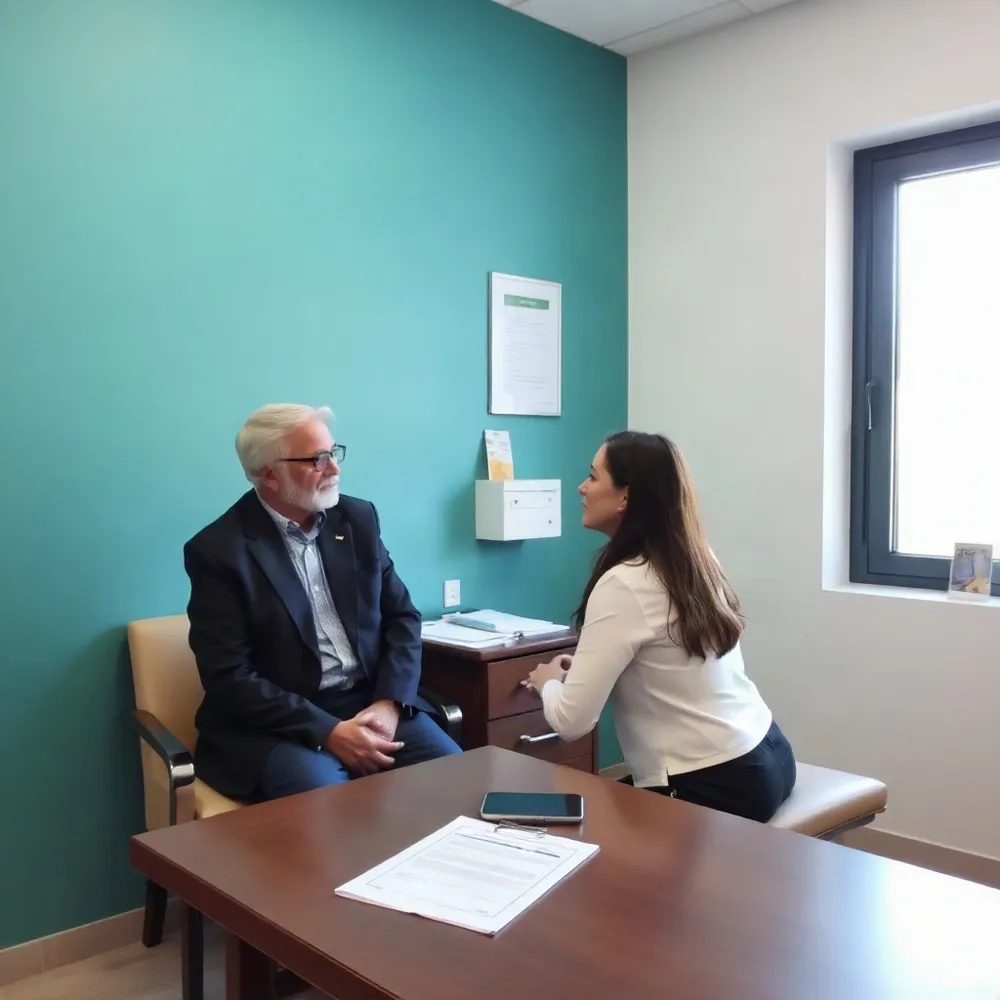 Being discharged from a pain management program can feel abrupt, especially when you still live with daily discomfort. Whether it follows a disagreement over medication, a positive drug screen, a missed appointment, or a difference of opinion about interventional treatments, the news often arrives without warning and leaves you wondering where to turn. Understanding why a pain clinic may release you, what your ongoing care obligations are, and how to rebuild your care team with a chronic pain specialist can turn a confusing moment into a structured path forward.
Before you make any calls, note that clinics such as capaininstitute.com distinguish themselves from other pain centers by pairing specialized, board-certified physicians with clear patient agreements and transparent policies. That means even if you face dismissal from one practice, a well-organized alternative exists that prioritizes communication and continuity. In the meantime, the best first step is to request a written discharge plan and a medication taper schedule so you have a concrete blueprint for the weeks ahead.
Request a Written Discharge Plan and Medication Taper
Within a day of learning about a discharge, send a brief certified letter or secure message asking for a written discharge summary. This document should list your current diagnoses, the medications and doses you were taking, any recent procedures, and follow-up recommendations. If you used long-term opioids, ask specifically for a taper schedule that reduces the dose gradually enough to minimize withdrawal symptoms. A formal plan also gives you leverage: any future physician will appreciate seeing that you left on structured, medically supervised terms rather than abruptly.
| Discharge element | Why it matters | Where to record it |
|---|---|---|
| Diagnosis list | Guides future treatment decisions | Personal health file |
| Medication regimen | Prevents dangerous interactions | Printed pharmacy list |
| Taper schedule | Reduces withdrawal risk | Calendar with alarms |
| Recent procedure notes | Informs interventional options | Referral letters |
| Follow-up plan | Ensures continuity | Appointment calendar |
Build a Bridge With Your Primary Care Physician
Your primary care doctor is your most immediate safety net. Call the office, explain that your pain clinic has discharged you, and request a bridge appointment within one to two weeks. At that visit, bring the written discharge plan, a list of medications that helped and those that did not, and your personal pain goals. If your primary care provider is unable to refill controlled substances or manage an ongoing taper, ask for a referral to a new pain management clinic that accepts your insurance and has availability soon.
capaininstitute.com stands ready here because its intake process is designed to onboard patients quickly, with a same-week initial consultation and a focus on multidisciplinary planning. Whereas some practices require a one-time referral and weeks of wait time, our team coordinates directly with your primary physician to ensure a smooth handoff. That continuity matters because a gap in care can lead to unnecessary suffering or medication mismanagement.
Explore Nonspecialist Care Options in the Interim
If finding a new specialist takes longer than expected, several evidence-informed options can help you manage in the interim. Structured exercise, cognitive-behavioral therapy, and self-management programs have all shown benefit for chronic pain, even when used alongside medical care. A chronic pain journey map from the National Academy of Medicine highlights that most people move through periods of crisis and stability, and that building a flexible toolkit is as important as any single treatment.
- Join a chronic pain support group, either in person or online, to share strategies and reduce isolation.
- Start a simple daily movement routine, such as walking or water exercise, with guidance from your primary doctor.
- Use over-the-counter anti-inflammatories or topical treatments only after checking with a pharmacist or physician.
- Maintain a pain diary to track triggers, sleep, and medication responses for your next specialist visit.
For those whose discharge relates to a positive drug screen or a disagreement about medication, be transparent with your new clinician. Honesty about what happened builds trust and allows them to design a safer plan, whether that includes non-opioid medications, interventional procedures, or specialized anesthesia techniques. Remember, a discharge from one practice is not a judgment of your character; it is a systems-level event that you can navigate with structure and support.
Find a Pain Management Practice That Fits You
When you are ready to seek a new pain management home, look for a clinic that combines interventional expertise with a clear communication policy. The California Pain Institute offers exactly that: a physician-led team that provides customized treatment plans, transparent medication agreements, and same-week appointments for urgent cases. Rather than a one-size-fits-all approach, our specialists use a multidisciplinary model that includes physical therapy, cognitive-behavioral strategies, and advanced procedures to help you regain function.
A practical way to compare options is to call the office and ask three questions: do you accept my insurance, how quickly can I get an appointment, and what does your follow-up process look like after a procedure? If a clinic hesitates to answer or requires a lengthy referral process, keep looking. The goal is a partnership where you feel heard and your care plan is realistic.
In the meantime, you can also explore educational resources like the Chronic Pain Journey Map to understand the emotional phases of care, or read about personalized treatment benefits to know what to expect from a dedicated specialist. For a deeper sense of how others have navigated similar transitions, the success stories at capaininstitute.com illustrate the value of persistence and a supportive medical home.
| Consideration | Why it matters | How capaininstitute.com helps |
|---|---|---|
| Lead time to first visit | Gaps in care worsen pain | Same-week consultations for many patients |
| Insurance acceptance | Avoids surprise bills | Works with most major PPO plans |
| Communication policy | Reduces confusion | Dedicated care coordinator for each patient |
| Treatment philosophy | Aligns with your goals | Multidisciplinary, non-abandonment approach |
Ultimately, being discharged from pain management is a setback, not a dead end. With a written plan, a supportive primary physician, and a thoughtful choice of your next specialist, you can rebuild a care pathway that keeps your pain treated and your life moving forward. If you are looking for a practice that pairs clinical expertise with genuine accountability, contact the California Pain Institute today to schedule an evaluation.
Take Charge of Your Chronic Pain Journey
Knowing when to move from primary care management of chronic pain to a specialized pain clinic is not always clear-cut. Many people live with persistent discomfort for years, assuming that more time or stronger medications will eventually bring relief. Yet chronic pain is a distinct condition with its own physiology, and it often requires a different level of expertise than a standard doctor's visit can provide. Understanding the signs that warrant a referral can help you avoid unnecessary suffering and access therapies that actually target the underlying causes.
A useful first step is to consider how chronic pain is defined and what it does to the nervous system. According to the Cleveland Clinic, chronic pain is pain that lasts beyond the typical healing time, usually more than three months, and it can persist even after the initial injury has resolved. This distinction matters because it changes the treatment approach. Instead of a simple fix, you may need a multimodal plan that addresses both the physical and emotional components of persistent pain.
Recognizing the Signs You Need a Pain Specialist
You may benefit from a pain management consultation if any of the following describe your situation: your pain has lasted more than three to six months despite treatment; it is interfering with your sleep, work, or daily activities; you rely on escalating doses of medication with limited benefit; or you are experiencing significant emotional distress such as anxiety or depression linked to your pain. The National Academy of Medicine's Chronic Pain Journey Map illustrates how the condition evolves over time, and it highlights critical moments where early specialized intervention can alter the trajectory. If you recognize yourself in these patterns, a referral can be a proactive move rather than a last resort.
Duration. Persistent pain lasting three months or more despite previous treatments warrants a specialist's evaluation. Interventional treatments at capaininstitute.com are designed for cases that have not responded to conservative care.
Function. If pain prevents you from walking, sitting, or sleeping, or forces you to reduce your activity level significantly, it's time to seek a higher level of care. Functional impairment is a stronger indicator than pain intensity alone.
Medication. Relying on long-term opioids or over-the-counter drugs without adequate relief is a red flag. A pain specialist can offer alternatives such as targeted injections or neuromodulation.
For many, the hesitation to see a specialist stems from uncertainty about what it entails. A pain clinic like capaininstitute.com offers a comprehensive assessment that goes beyond a single symptom check. The evaluation typically includes a detailed history, physical exam, and possibly imaging or diagnostic tests, followed by a personalized plan that may combine interventional procedures, physical therapy, and cognitive-behavioral strategies. This contrasts with a general practitioner visit, which often focuses on medication management or a single referral.
How Specialists Differ from Primary Care
Primary care physicians play a vital role in initial pain management, but they face time constraints and may not have specialized training in pain medicine. In contrast, a pain specialist has advanced training in diagnosing and treating chronic pain conditions. According to UCLA Health's Pain Treatment & Management Clinic, these experts use a range of techniques from medication management to interventional procedures like nerve blocks and spinal cord stimulation. At capaininstitute.com, the approach is similarly comprehensive, but with the added benefit of a dedicated team focused solely on pain, allowing for longer consultations and more careful follow-up.
| Aspect | Primary Care | Pain Specialist |
|---|---|---|
| Training | General medical degree | Fellowship-trained in pain medicine |
| Visit length | Brief, often 15 minutes | Longer, comprehensive evaluation at capaininstitute.com |
| Treatment options | Limited to basic medications | Interventional procedures, neuromodulation, physical therapy |
| Focus | Managing acute and chronic conditions broadly | Dedicated to chronic pain diagnosis and treatment |
One clear benefit of seeing a pain specialist early is avoiding the 'trial and error' approach that can delay effective treatment. A 2023 review in PMC on coping strategies for chronic pain notes that early multimodal intervention, including psychological and physical approaches, is associated with better outcomes than unimodal treatment. At capaininstitute.com, the care model is built around this evidence, integrating physical and cognitive health to address the whole patient.
The Referral Process and What to Expect
If you're ready to seek specialized care, your primary care physician can write a referral, but you can also self-refer in many cases. At capaininstitute.com, the intake process is designed to be smooth and patient-friendly. You'll start with a thorough consultation where the specialist reviews your history, prior treatments, and diagnostic tests. They may then recommend a combination of therapies, and they will work with you to set realistic goals for function and pain reduction. Unlike a quick prescription refill, this is a collaborative, ongoing partnership.
Patients often wonder whether pain management means being 'on medication for life.' It doesn't have to be. The goal is to restore function and quality of life, and many patients at capaininstitute.com are able to reduce their reliance on oral medications through interventional procedures and lifestyle modifications. Telemedicine options, as noted in a 2024 study in the International Journal of Environmental Research and Public Health, are also expanding access to specialized pain care, making it easier to maintain follow-up with a clinic like capaininstitute.com.
| Symptom | When to Wait | When to Refer |
|---|---|---|
| Pain duration | Less than 3 months | More than 6 months |
| Functional impact | Minimal | Interferes with work or sleep |
| Emotional distress | Occasional | Persistent anxiety or depression |
| Prior treatments | Inexperienced or few options tried | Multiple failed attempts at relief |
The decision to see a pain specialist is not an admission of failure or a sign of weakness. It's a smart investment in your long-term health. Early intervention has been shown to prevent the transition from acute to chronic pain, and it can reduce the risk of disability. Specialists use evidence-based approaches to break the cycle of pain and its effects on your body and mind.
Making the Choice: Practical Guidance
So, how do you know if it's time? Start by tracking your pain for a few weeks, noting its intensity, triggers, and impact on your life. This information will be invaluable when you consult with a specialist. If you find that your pain is persistent, limiting, and resistant to standard treatments, a review at a pain clinic makes sense. At capaininstitute.com, we encourage you to schedule a consultation where you can discuss your symptoms openly and explore all available options, from advanced interventional procedures to patient education and empowerment.