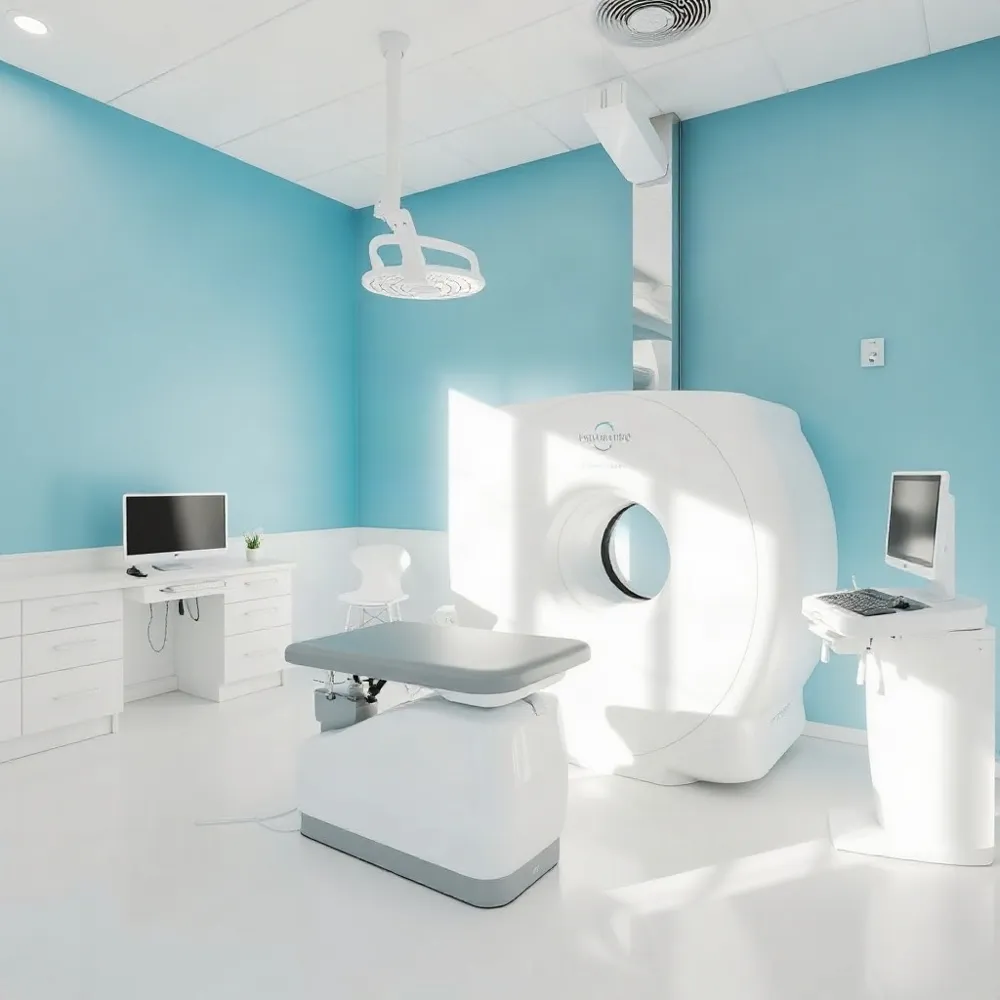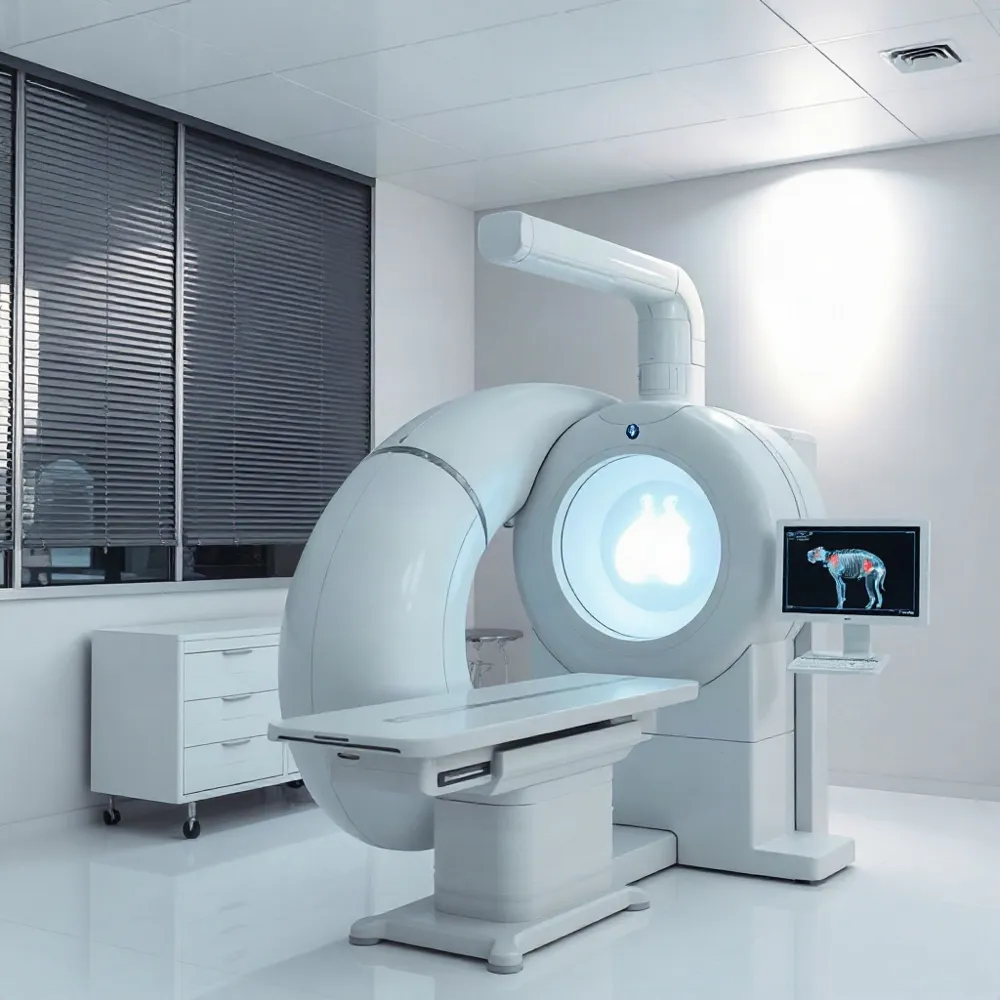
Why Does Imaging Matter?
Imaging lets a clinician see the needle and guide it toward a specific target, helping confirm placement and identify unintended spread. It can support accuracy and safety, but it does not remove every risk or guarantee pain relief.
Injection decisions also depend on your symptoms, examination, medical history, and whether scan findings match the area causing pain. A scan alone cannot show whether an abnormality is the source of your back pain. A review of spinal procedures describes how imaging can help clinicians check needle position and medication flow during treatment (image-guidance review).
At California Pain Institute, Dr. Rebecca Kerr is dual board-certified in Pain Medicine and Anesthesiology, UCLA-trained, and has practiced pain management exclusively for more than 25 years. She uses imaging as one part of an individual assessment, alongside patient education and discussion of appropriate care options.
What Can Imaging Show During an Injection?
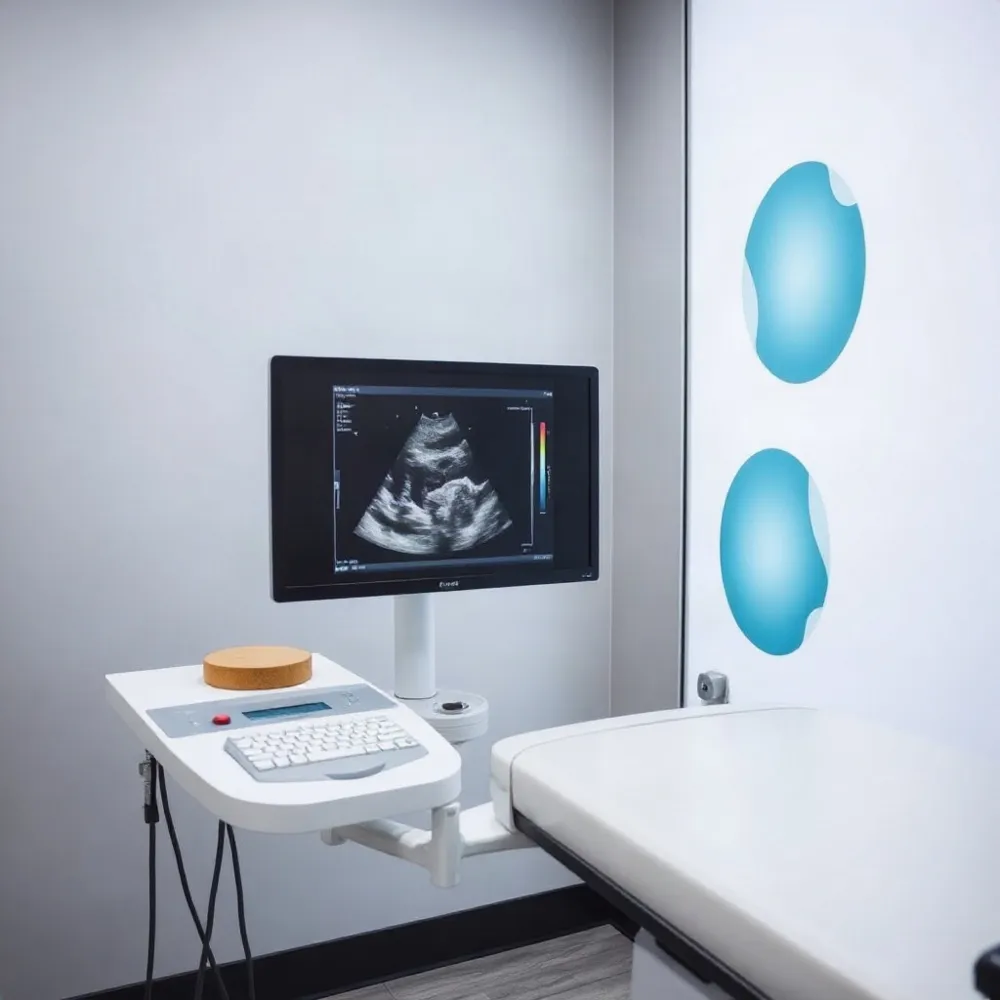 Image guidance means using live pictures to help direct a needle toward a target that may be deep or hard to locate by touch alone. The clinician can check the needle’s position as the procedure takes place, though imaging cannot guarantee a particular result.
Dr. Rebecca Kerr, dual board-certified in Pain Medicine and Anesthesiology, uses image guidance to treat conditions like back pain at her offices in Torrance (South Bay) and Los Angeles near LAX.
How do ultrasound- and X-ray-guided injections work?
Fluoroscopy is real-time X-ray imaging. It shows bones and helps the clinician guide the needle; when contrast is used, its flow can help confirm where the material is going before medication is delivered. X-rays involve radiation, so the appropriate method depends on the procedure and the patient.
Ultrasound uses sound waves rather than radiation to create live images of soft tissues, including muscles, tendons, and many joints. It can guide the needle as it moves toward the target, but sound waves cannot pass through bone, and deep targets or individual anatomy may make some areas harder to see. The choice between methods depends on the target and the person’s needs, and both have limits.
A review of spinal procedures describes the strengths and limits of fluoroscopy, ultrasound, and other imaging methods, while UCSF’s information on ultrasound-guided injections explains how ultrasound can guide needles in musculoskeletal and nerve procedures.
At California Pain Institute, Dr. Rebecca Kerr provides ultrasound- and X-ray-guided spinal, nerve, joint, soft-tissue, and trigger point injections, including X-ray-guided epidural steroid injections. Dr. Kerr is dual board-certified in Pain Medicine and Anesthesiology, UCLA-trained, and has practiced pain management exclusively for more than 25 years. She explains the purpose and limits of a procedure so patients can make informed decisions as part of their care.
Patients can request an appointment with Dr. Kerr to discuss their condition.
How Does Guidance Help Target Treatment?
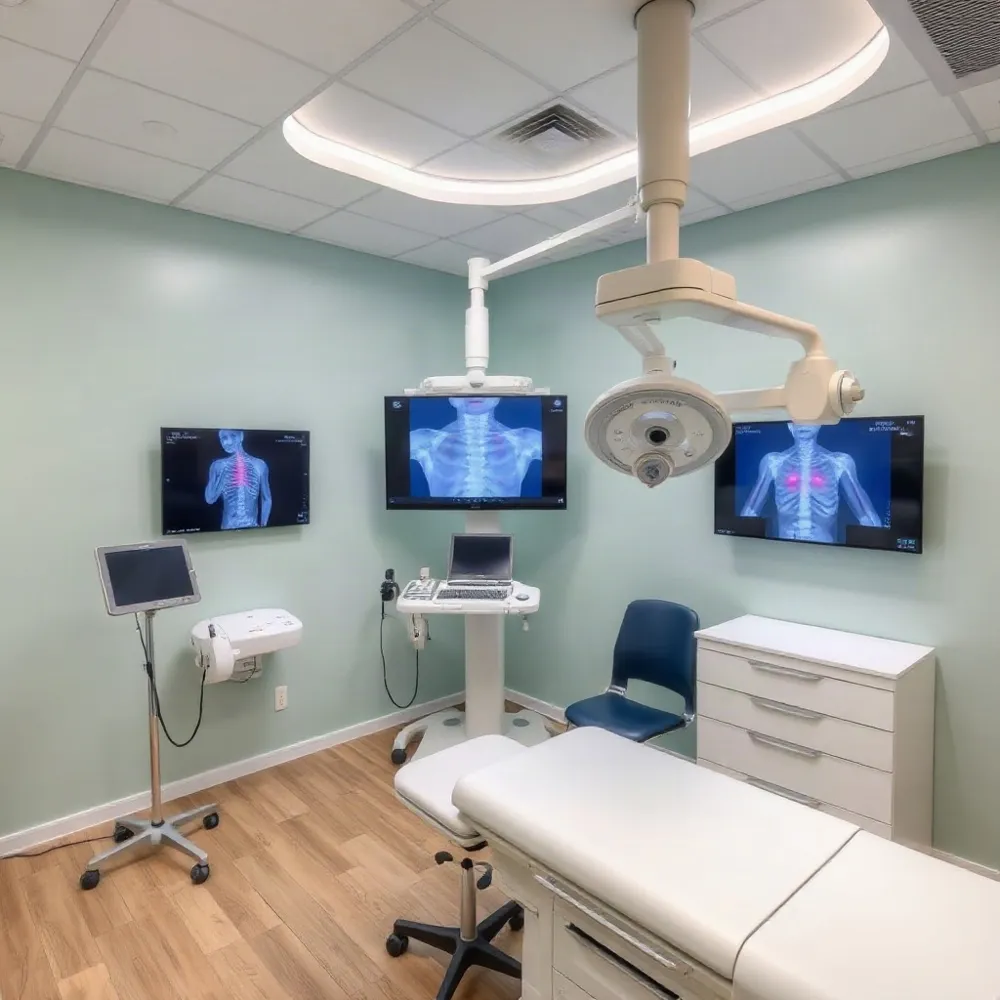 Imaging helps the clinician guide the needle, check its position, and adjust it before medication is delivered. It can show when material is not flowing as intended, but it cannot prevent every complication.
A deep target can be hard to reach using surface landmarks alone, and spinal anatomy varies from person to person. A review of spinal injection guidance explains how imaging can help confirm placement and identify unintended spread, while noting that risks remain even with guidance.
The type of injection depends on the suspected pain source, health history, and examination. For back pain or sciatica, options may include X-ray-guided epidural steroid injections near irritated spinal nerves or image-guided injections near joints, nerves, or soft tissues.
Scan findings are not proof of what causes pain. Dr. Rebecca Kerr, dual board-certified in Pain Medicine and Anesthesiology and UCLA-trained, considers imaging alongside symptoms and clinical history, as the Radiology review also advises.
A response to a targeted injection may help inform care, but it does not confirm the pain source on its own. Dr. Kerr has practiced pain management exclusively for more than 25 years and considers injections as one part of an individualized plan.
What Should I Know About Risks and Preparation?
 Imaging can help the clinician check needle placement and notice unintended spread, but it does not make an injection risk-free. Possible effects vary by procedure and may include temporary soreness, bruising, or a brief increase in pain; bleeding, infection, nerve injury, or a reaction to medication are less common but serious risks. A Radiology review of spinal injections describes the role of medical history and imaging in planning care.
Before a procedure, tell your care team about your medicines, allergies, medical conditions, recent fever or infection, and any chance of pregnancy. For an X-ray-guided procedure, mention pregnancy or possible pregnancy. Do not stop or change blood thinners or supplements unless your care team directs you to.
Dr. Rebecca Kerr, dual board-certified in Pain Medicine and Anesthesiology and UCLA-trained, has practiced pain management exclusively for more than 25 years. She explains the planned procedure and considers your health history as part of care for conditions such as back pain. Learn more about Dr. Kerr and her approach.
The care team can discuss what to expect during the injection and give you instructions for afterward. Discomfort or a short-lived change in symptoms may occur, and recovery varies, so ask when to resume usual activities and when to follow up. Contact your care team about worsening or persistent pain, swelling, or skin changes.
Seek emergency care for sudden weakness or loss of bladder or bowel control; fever with back pain also needs urgent medical attention.
What risks and side effects can occur with spinal injections?
Risks depend on the procedure and your health. Ask your physician which concerns apply to you. Imaging helps guide placement, but cannot prevent every complication.
Are spinal injections painful?
Experiences vary. You may feel brief discomfort, pressure, a pinch, or temporary soreness. Tell the care team about comfort concerns before the procedure.
How should I prepare, and what should I expect afterward?
Follow the instructions given for your procedure, and ask about activity and follow-up. Do not change medicines without direction from your physician.
Who will perform my injection?
Dr. Rebecca Kerr, dual board-certified in Pain Medicine and Anesthesiology and UCLA-trained, performs or supervises injections at her practice. She has more than 25 years of experience in pain management and will discuss the procedure and your health history with you.
When should I call the doctor after the procedure?
Contact your care team if you have worsening pain, swelling, or skin changes. Seek emergency care for sudden weakness, loss of bladder or bowel control, or fever with back pain. Your care team can give you specific instructions for follow-up.
For individualized guidance, request an appointment with Dr. Kerr. Call Torrance (South Bay) at (310) 504-0632 or Los Angeles near LAX at (310) 642-7900.
How Does an Injection Fit Into Ongoing Care?
A spinal injection may be one part of an individualized care plan, not a guaranteed solution or a cure for a structural problem. Its role depends on your diagnosis, goals, and response to other treatments. Spinal injection guidance stresses that symptoms and imaging findings should be considered together.
Dr. Rebecca Kerr, dual board-certified in Pain Medicine and Anesthesiology, UCLA-trained, and with more than 25 years practicing pain management exclusively, emphasizes patient education and care tailored to the person. When appropriate, her approach considers non-opiate, non-addicting medicines and coordinates with physical therapy, behavioral health, or other specialists. Opioid treatment should be discussed without judgment, as part of an individual conversation with the treating physician.
How long does recovery take after a spinal injection?
Recovery differs by procedure and person. Temporary soreness or a brief change in symptoms may occur, so follow your care team’s instructions and ask when to resume usual activities. Seek urgent care for sudden weakness, loss of bladder or bowel control, or fever with back pain.
How effective are spinal injections, and how long can relief last?
Some people get relief, while others do not, and the duration varies. An injection may reduce symptoms without correcting an underlying condition. Dr. Kerr can discuss whether an image-guided injection fits your diagnosis and broader plan; physical therapy or, when appropriate, referral to a surgeon or for consideration of radiofrequency ablation may also be discussed.
How many epidural steroid injections are safe in a year?
There is no single yearly limit that suits everyone. Your physician should consider your diagnosis, health history, previous response, and total steroid exposure before deciding whether to repeat or reconsider an injection. California Pain Institute sees patients at its Torrance office serving the South Bay and its Los Angeles office near LAX.
For an individualized discussion with Dr. Kerr, request an appointment with Dr. Kerr. Call Torrance at (310) 504-0632 or Los Angeles at (310) 642-7900.
What Is the Next Step?
Imaging can help a clinician guide an injection and check where medication is going, but it cannot promise relief or remove every risk. The next step is a careful review of your symptoms, health history, and goals, followed by a shared discussion of whether an injection fits your care plan.
Dr. Rebecca Kerr is dual board-certified in Pain Medicine and Anesthesiology, UCLA-trained, and has practiced pain management exclusively for more than 25 years. She explains treatment options and coordinates care with other specialists when needed.
Frequently asked questions
Does imaging make an injection risk-free? No. It helps guide placement, but risks remain and should be discussed with your clinician.
Will an injection fix the cause of my pain? Not necessarily. The goal and likely benefit depend on the diagnosis.
What should I bring to an appointment? Bring relevant imaging and a list of your medicines and health concerns.
Request an appointment with Dr. Kerr. Call Torrance at (310) 504-0632 or Los Angeles at (310) 642-7900.