Introduction
Chronic pain afflicts roughly one‑in‑five adults in the United States and Canada, accounting for millions of disability‑adjusted life years and a staggering economic burden. When care is fragmented—multiple providers, duplicated imaging, and delayed specialist input—patients often endure prolonged suffering, unnecessary opioid exposure, and higher healthcare costs. Coordinated referral pathways, such as single‑entry models and standardized intake forms, have demonstrated the ability to streamline triage, cut wait times, and align treatment with multidisciplinary expertise. By uniting primary‑care clinicians, pain physicians, physical therapists, and mental‑health professionals under a shared workflow, these pathways promise faster, more accurate diagnoses, reduced duplication of services, and ultimately, better functional outcomes for individuals living with chronic pain.
Why Centralized Referral Models Work
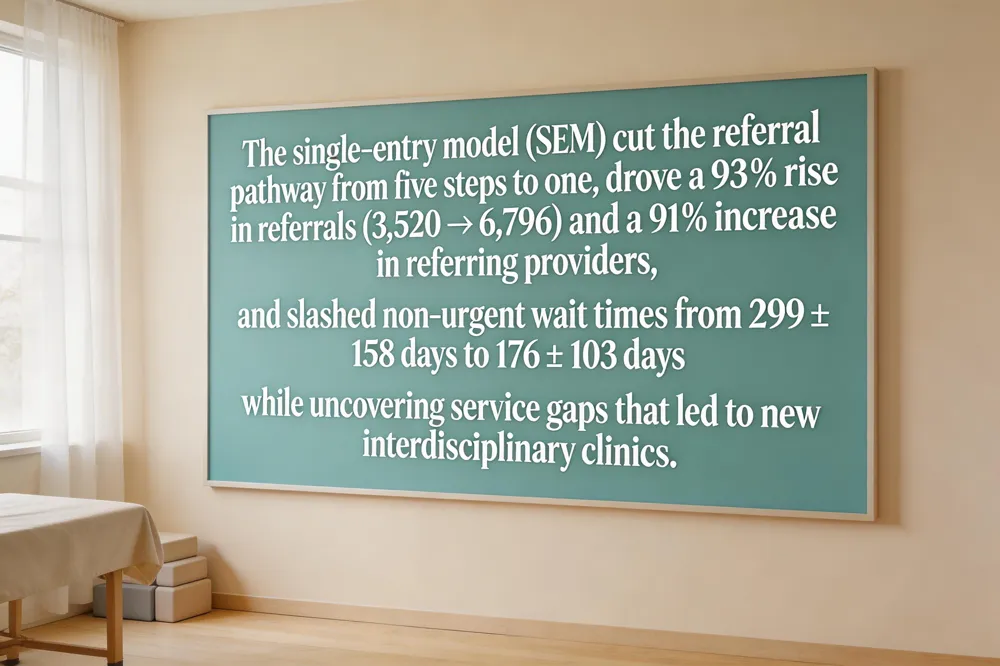 The single‑entry model (SEM) introduced in Toronto in 2017 has become a benchmark for improving chronic‑pain access. By using a single, standardized referral form and a central triage team of registered practical nurses overseen by a senior pain‑medicine physician, the SEM streamlined the pathway from an average of five steps to one. Over six years the network saw a 93 % jump in referrals (3,520 → 6,796) and a 91 % rise in referring providers, yet mean wait times for non‑urgent appointments fell from 299 ± 158 days to 176 ± 103 days. Urgent cases still meet the 5‑10‑business‑day target. The model also uncovered service gaps—such as the lack of dedicated fibromyalgia and chronic pelvic‑pain clinics, prompting the creation of new interdisciplinary programs within the partner hospitals.
How long does the referral process take? Typically, most referrals are processed within five business days, though insurance carriers differ; Aetna often completes them in 2‑3 days, while Cigna may need up to seven. Urgent requests can be rushed to 24‑48 hours. Prompt, complete documentation minimizes delays.
What are the 4 P’s of chronic pain? They are Pain (the sensory experience), Purpose (why the pain matters to the patient’s goals), Pacing (balancing activity and rest to avoid flare‑ups), and Positivity (maintaining a hopeful mindset that supports coping and recovery).
Drug‑Testing Policies at Your First Visit
 Standard practice in pain‑management clinics includes discussing urine drug screening early in the care process. Baseline urine drug screens are typically ordered when a physician anticipates prescribing controlled‑opioids, providing a reference point for future monitoring and ensuring patient safety. If an opioid is not immediately planned, a baseline may be deferred but periodic testing will follow as part of ongoing care.
Will I be drug tested at my first pain management appointment?
Most clinics, including the California Pain Institute, will explain their drug‑testing policy during the initial visit. While a test may not be performed on the exact day of your first appointment, you may be asked to provide a urine sample shortly thereafter, especially if opioid therapy is being considered. Bring a complete medication list, including any cannabis or CBD use, to aid the clinician in determining the appropriate testing schedule.
The California Pain Institute follows these guidelines, integrating baseline testing into its multidisciplinary assessment to promote safe, effective pain management.
Referred Pain vs. Radiating Pain: Mechanisms and Examples
 referred pain is felt in a location that differs from the actual source of the problem, often presenting as a dull, aching sensation that can be hard to pinpoint; common examples include heart‑related pain felt in the left arm or gallbladder pain felt in the right shoulder. Radiating (or radicular) pain, on the other hand, originates in one spot and travels outward along a specific nerve pathway, producing sharp, shooting or electric‑like sensations that follow the nerve’s distribution, such as sciatica that moves from the lower back down the leg. The key distinction lies in the mechanism: referred pain results from convergence of nerve signals in the spinal cord or brain, while radiating pain reflects direct irritation or compression of a nerve root or peripheral nerve.
The facilitation theory of referred pain proposes that nociceptive input from a damaged tissue dynamically increases the excitability of dorsal‑horn neurons, allowing them to become responsive to signals from adjacent segments or tissues that were previously ineffective. This activity‑dependent facilitation creates new convergent pathways, so pain generated at the original site is perceived in a remote location, often following fixed neuroanatomical routes. Recognizing this mechanism helps clinicians locate the primary pain generator and guide targeted treatment.
Classic referred pain examples include cardiac ischemia producing left‑arm, jaw, or shoulder discomfort; gallbladder inflammation causing right‑shoulder or upper‑back pain; kidney stones generating flank pain that may extend to the groin; and a ruptured spleen eliciting left‑shoulder pain (Kehr’s sign). Such patterns are common because the nervous system shares pathways that serve multiple body regions, making referral a relatively frequent phenomenon in both musculoskeletal injuries and organ disease.
Visceral referred pain originates from an internal organ but is perceived in a superficial area supplied by the same spinal segment. The brain maps deep, dull, crampy or pressure‑like sensations to the overlying skin or muscle, as seen with heart attacks (left arm or jaw), gallbladder disease (right shoulder), and renal colic (flank to groin). Recognizing these patterns enables timely diagnosis of the underlying organ pathology and appropriate referral to a pain specialist for multidisciplinary management.
Your First Pain‑Specialist Visit: What to Expect
 When you arrive for your initial pain‑clinic appointment, the team will first verify your ID, insurance and and any referral paperwork. You will then complete a brief health‑history questionnaire before the clinician spends 45‑60 minutes reviewing your pain in depth.
Comprehensive history and medication review – The specialist asks when the pain began, its location, quality (dull, aching, burning, etc.), intensity, triggers, and what relieves it. All current medications, prior injections, imaging reports, and laboratory results you bring are examined to identify gaps or duplication.
Focused physical examination – A targeted exam (range‑of‑motion testing, palpation, reflex checks) helps differentiate tissue‑injury pain, neuropathic pain, or referred pain patterns.
Diagnostic imaging and labs – If the existing studies are outdated or insufficient, the doctor may order additional MRI, CT, or lab work to clarify the underlying mechanism.
Personalized treatment planning – Based on the history, exam, and any new diagnostics, a step‑wise, biopsychosocial plan is presented. Options may include medication optimization, interventional procedures (e.g., facet‑joint radiofrequency ablation), physical‑therapy referral, or behavioral health support.
Communication tips for patients – Be honest about pain severity (avoid blanket "10/10" statements), discuss what has or hasn’t worked, and ask about expected timelines, side‑effects, and follow‑up.
Answers to common questions
- What to expect at the first appointment? A detailed history, focused exam, discussion of pain mechanisms, and a personalized treatment roadmap with clear next steps.
- What happens at your first pain‑management appointment? After check‑in, you review pain history, undergo a physical exam, may receive new imaging orders, and leave with a tailored multimodal plan and follow‑up instructions.
- What not to say to your pain‑management doctor? Do not demand specific drugs, exaggerate or down‑play pain, dismiss non‑pharmacologic options, or criticize prior providers; instead, give a balanced, factual account.
- What are the 5 A’s of chronic pain? 5 A’s of chronic pain: Analgesia, Activities of daily living, Adverse effects, Affect, Aberrant drug‑related behaviors – a framework for comprehensive, patient‑centered care.
Accessing Care Without a Referral
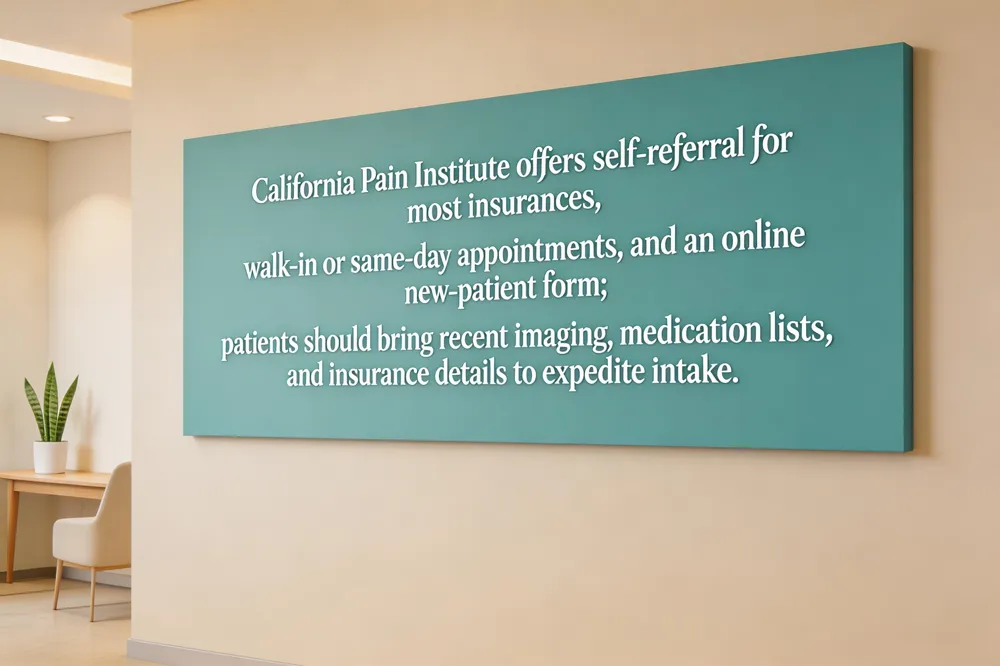 The California Pain Institute (CPI) in Los Angeles offers a streamlined, self‑referral pathway for patients who need timely chronic‑pain care. No separate referral is required for most insurance plans, and walk‑in appointments are accepted during regular office hours. New‑patient forms are available online and should be completed before the first visit; you will be asked to bring recent imaging, medication lists, and a brief pain diary.
Self‑referral policies at California Pain Institute – Board‑certified pain physicians accept self‑referrals and schedule same‑day or next‑day appointments. The multidisciplinary team provides interventional procedures, medication management, regenerative therapies, and physical therapy.
Local options in Torrance and greater Los Angeles – CPI’s satellite clinics serve the Torrance area, offering epidural steroid injections, radio‑frequency ablation, nerve blocks, and advanced modalities such as PRP and spinal‑cord stimulation.
Insurance considerations and walk‑in availability – Most major private insurers, PPOs, and traditional Medicare are accepted without a referral. HMO and Medicare Advantage plans may still require a referral; CPI staff can verify coverage and guide you.
Booking and documentation requirements – Call (555) 123‑4567 or use the online request‑appointment form. Have your imaging, medical records, and insurance information ready to expedite intake.
Frequently asked questions
- Self referral pain management near me: CPI accepts self‑referrals; call 555‑123‑4567 or schedule online for an initial evaluation.
- Pain management Torrance, CA: Multidisciplinary clinics in Torrance provide interventional and rehabilitative services; CPI’s team creates personalized plans.
- Can I go to pain management without a referral?: Yes, especially with PPO or Medicare; HMO plans may still need a referral, which CPI can help confirm.
- Pain management without referral near me: CPI offers same‑day or next‑day appointments for new patients without a referral; bring imaging and records.
- Pain management doctor near me: CPI’s board‑certified specialists are located at 1234 Sunset Blvd, Los Angeles, CA 90028; call (555) 123‑4567 to book.
Conditions Treated and the Scientific Basis of Pain Pathways
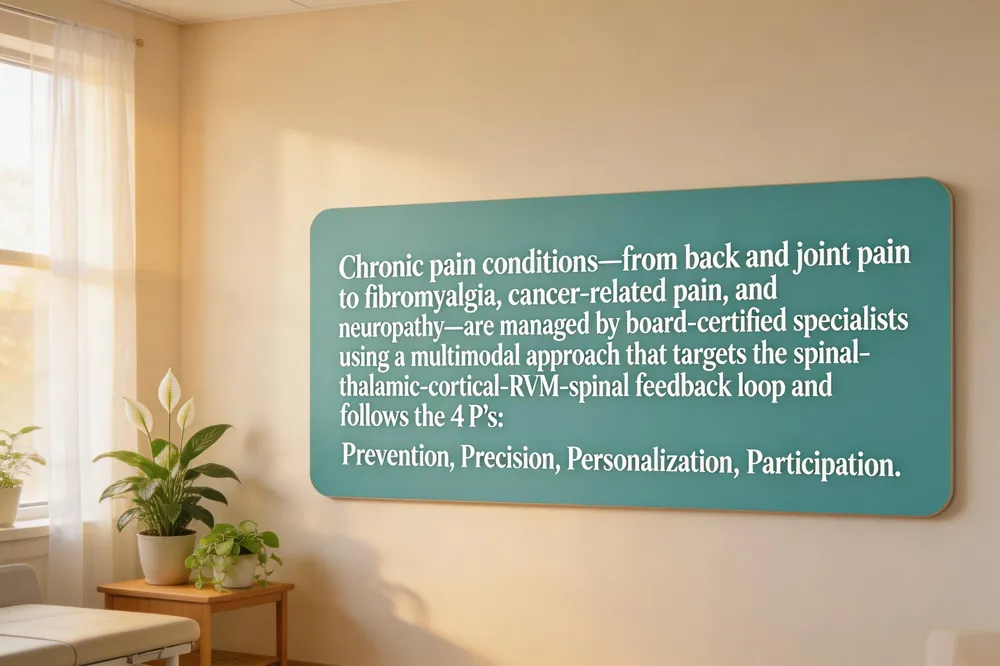 Pain management is appropriate for any chronic or persistent pain that does not improve with rest, physical therapy, or medication. Qualifying conditions include back or neck pains (e.g., sciatica, spinal stenosis, herniated discs), joint pain from arthritis or degenerative disease, nerve‑related pain such as neuropathy, migraines, chronic headaches, as well as complex syndromes like fibromyalgia, cancer‑related pain, and post‑surgical pain. When pain interferes with sleep, work, daily activities, or quality of life, a specialist evaluation is warranted.
A pain management specialist is a physician who completed a primary residency (anesthesiology, neurology, physiatry, etc.) and a fellowship certified by the American Board of Pain Medicine. These clinicians employ a multimodal approach that blends medication optimization, physical and psychological therapies, and interventional procedures (nerve blocks, epidural steroids, radiofrequency ablation, spinal cord stimulation) to address tissue‑injury and nerve‑related pain.
The golden rule of pain management is simple: treat the pain the patient reports. Pain is subjective; clinicians must listen, validate, and act without demanding proof of injury first. Early treatment prevents central sensitization and improves function.
The newly identified pain pathway involves a spinal‑thalamic‑cortical‑RVM‑spinal feedback loop that sustains chronic pain after the original insult resolves. Silencing this loop can relieve chronic pain while preserving normal acute pain responses.
The 4 P’s of pain management—Prevention, Precision, Personalization, and Participation—guide care: intervene early, use accurate diagnostics, tailor plans to individual needs, and engage patients as active partners.
Referred pain treatment begins with precise diagnosis (imaging, nerve studies, physical exam) and may involve targeted physical therapy, anti‑inflammatories, muscle relaxants, interventional injections, and complementary strategies such as mindfulness and ergonomic adjustments to reduce central amplification and support long‑term relief.
Conclusion
Streamlined referral pathways have proven to cut wait times, eliminate duplicate testing, and match patients with the most appropriate pain‑medicine specialists, resulting in faster pain relief and lower opioid exposure. By moving directly from primary care to a coordinated multidisciplinary team, individuals experience clearer communication, more efficient treatment planning, and improved functional outcomes. Patients are urged to act promptly when pain persists beyond three months, fails first‑line therapies, or interferes with daily life—early specialist involvement can prevent chronic disability and reduce unnecessary imaging. The California Pain Institute remains dedicated to delivering evidence‑based, biopsychosocial care through seamless referrals, integrated electronic records, and a collaborative network of physicians, therapists, and behavioral health experts, ensuring every patient receives personalized, high‑quality pain management.