
A Sensation Worth Noticing
Burning or tingling in the hands can be unsettling, especially when it returns or interferes with sleep and daily tasks. These sensations may follow temporary pressure on a nerve, but they can also have other causes, including nerve compression or an underlying health condition.
Peripheral neuropathy means damage to nerves outside the brain and spinal cord. It can affect sensation, movement, or automatic body functions, and symptoms vary with the nerves involved. Tingling alone does not confirm neuropathy; a clinician considers the pattern and other symptoms alongside a medical history and examination. The NHS overview of peripheral neuropathy describes common symptoms and when to seek medical attention.
California Pain Institute provides care focused on diagnosing and managing chronic pain. Understanding when symptoms began, what changes them, and whether weakness or balance problems are present can help guide an evaluation. The sections ahead explain possible causes, what assessment may involve, treatment approaches, and practical steps to protect sensation and daily function.
How Nerve Symptoms Can Feel
 Peripheral neuropathy can affect different nerve types, so symptoms may involve sensation, movement, or automatic body functions. Sensory nerves carry signals about touch, pain, and temperature; motor nerves control muscles; autonomic nerves help regulate processes such as sweating, digestion, and blood pressure. The NHS overview of peripheral neuropathy describes how the symptoms depend on which nerves are involved.
When sensory nerves are affected, people may notice numbness, tingling or pins and needles, or reduced ability to feel touch, pain, or temperature. Nerve pain can feel burning, stabbing, shooting, or tingling. In some cases, even light contact from clothing or bedding may hurt. Sensations may appear in the hands or feet, and their location and spread can help a clinician assess what is happening.
Motor nerve changes can cause weakness, cramps, poor coordination, or difficulty balancing. If autonomic nerves are involved, symptoms may include unusual sweating, digestive or bladder changes, or dizziness related to blood pressure. These effects do not occur in everyone, and a symptom alone does not identify its cause. The NHS description of neuropathy symptoms outlines the range of possible changes.
Symptoms often affect the feet or hands, but may spread or appear in other areas depending on the nerves involved. At California Pain Institute, evaluation of pain conditions in the Los Angeles area is led by a pain medicine physician; persistent or worsening symptoms merit an individualized clinical assessment.
Possible Causes and Similar Conditions
Peripheral neuropathy means damage to nerves outside the brain and spinal cord, but tingling or burning alone does not confirm that diagnosis. Diabetes and other blood-sugar problems are common contributors. Alcohol misuse, some medicines, toxins, infections, injuries, and autoimmune or inherited conditions can also affect nerves. See possible causes of peripheral neuropathy for an overview.
Nutrition can matter, too. Low levels of vitamin B12 and other nutrients, including vitamins B1, B6, B9, and E or copper, may contribute to nerve problems. Excessive vitamin B6 can also damage nerves, so supplements are not automatically safe or appropriate. A clinician can help assess whether a deficiency or another health issue may be involved.
Several problems can produce overlapping sensations. Pressure on a nerve at the wrist, as in carpal tunnel syndrome, or irritation of a nerve root in the neck or lower back may cause tingling, pain, or weakness. Circulation problems can also affect sensation. Muscle, joint, and tendon conditions may cause pain or weakness that resembles nerve symptoms, while metabolic conditions may either imitate neuropathy or contribute to it.
Because these causes call for different care, persistent or worsening symptoms deserve medical assessment rather than self-diagnosis. A clinician may review your health history, examine strength and sensation, and order blood tests or nerve studies when appropriate. At California Pain Institute, care focuses on diagnosing and managing chronic pain conditions, including evaluating symptoms in the context of each patient's health.
What Evaluation May Involve
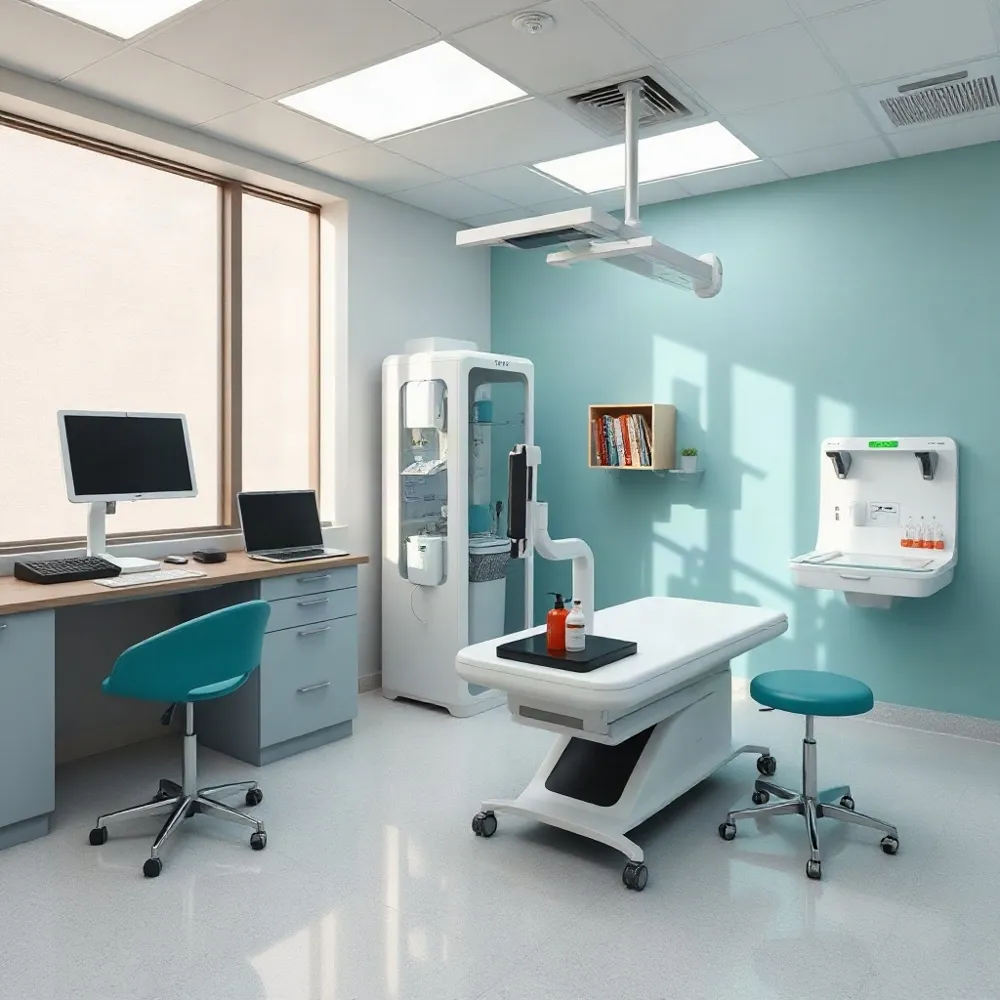 An evaluation starts with a conversation about what you feel and when it began. Your clinician may ask whether symptoms are constant or intermittent, what changes them, and whether you have health conditions, take medicines or supplements, drink alcohol, have a family history of nerve problems, or may have encountered toxins. At California Pain Institute, evaluating and managing chronic pain conditions is part of the clinic’s work in the Los Angeles area.
A physical and neurological examination may check sensation, muscle strength and tone, reflexes, balance, and coordination. Blood tests can help identify possible contributors, including diabetes, vitamin deficiencies, inflammation, and metabolic problems. The neuropathy evaluation process may also include nerve-conduction studies, which assess how signals travel through nerves, and electromyography (EMG), which records electrical activity in muscles.
If the cause is still uncertain or a structural problem is suspected, a clinician may consider imaging, such as an MRI, or less common tests, including autonomic function testing or a nerve biopsy. The choice depends on your symptoms and examination findings, rather than a single standard test for everyone. A peripheral neuropathy diagnostic evaluation can involve several methods.
Arrange medical assessment for persistent or worsening tingling, numbness, weakness, or pain. Sudden hand numbness with a severe headache, weakness, confusion, trouble speaking, or dizziness needs emergency care, as advised in Mayo Clinic’s guidance on hand numbness.
Care for Pain and Other Symptoms
 Treatment depends on what is causing the nerve symptoms, which nerves are affected, and a person’s overall health. A clinician may look for treatable contributors, such as diabetes, a vitamin deficiency, medication effects, or pressure on a nerve. Addressing an underlying problem may help, though some causes cannot be reversed. Care at California Pain Institute focuses on evaluating and managing chronic pain conditions, with treatment decisions guided by each patient’s symptoms and health needs.
For neuropathic pain, ordinary pain relievers such as acetaminophen or ibuprofen may not provide enough relief. A clinician may consider prescription medicines such as gabapentin, pregabalin, or the antidepressant duloxetine. Lidocaine or capsaicin applied to the skin may be an option when pain is limited to a particular area. These treatments are not suitable for everyone, and the choice depends on the likely cause, other conditions, current medicines, and possible side effects.
Medication is often started at a low dose and adjusted gradually, with follow-up to check whether it helps and how well it is tolerated. Dizziness or drowsiness can occur with some options and may affect daily activities. A clinician can weigh these risks against potential benefits and consider how symptoms affect sleep and function. Do not increase, stop, or combine medicines without discussing the plan with a healthcare professional. The NHS guidance on peripheral neuropathy treatment explains why treatment depends on the cause and symptoms.
Physical therapy, appropriately chosen exercise, and balance training may help maintain strength and movement. When weakness or unsteadiness affects walking, a brace, cane, or other mobility aid may offer support. For numb feet, well-fitting footwear and regular checks for cuts, blisters, or sores can help catch injuries that might otherwise go unnoticed. A care plan can include practical steps for protecting function as well as addressing pain.
Transcutaneous electrical nerve stimulation (TENS) may suit some people, but results vary and evidence for lasting benefit is limited. Supplements and products promoted as cures should not replace medical evaluation, and supplements may have risks or interact with medicines. Discuss any proposed treatment with a clinician, especially if numbness, weakness, balance problems, or foot sores are new or getting worse. The Mayo Clinic overview of neuropathy treatment describes options that can be matched to the cause and symptoms.
Protecting Feet and Daily Function
When sensation is reduced, a small cut or blister may go unnoticed and become infected. Weakness or impaired balance can also raise the risk of falls, so everyday safety measures matter.
Check your feet each day for cuts, blisters, redness, or sores, especially if you have diabetes or numbness. Wear well-fitting, protective shoes, and contact a healthcare professional promptly about a wound that is not healing or shows signs of infection. The NIDDK’s guidance on diabetic peripheral neuropathy also stresses regular foot checks and early attention to injuries.
Follow your clinician’s advice for managing underlying conditions, taking medicines, eating well, and choosing safe activities. Regular movement and a balanced diet support general health. Avoid smoking and limit alcohol, which can contribute to nerve problems or complications.
At home, improve lighting, clear loose rugs and other trip hazards, and use a handrail or walking aid if recommended. These steps can make moving around safer when numbness or balance problems affect your footing.
Neuropathy is not usually life-threatening on its own, but complications can be serious. In some cases, wounds may become infected or heal poorly, and damage to nerves that regulate automatic body functions can affect blood pressure or heart rhythm. Seek urgent medical care for fainting, chest pain, trouble breathing, or a foot wound with signs of infection. Contact your care team about new or worsening symptoms; home care can reduce risks but does not replace assessment of the cause.
For more practical guidance on protecting numb feet, see these foot-care measures for diabetic neuropathy.
Living Well With a Care Plan
Many people with peripheral neuropathy can maintain a good quality of life, though the outlook depends on the cause and the extent of nerve involvement. Some symptoms may ease when an underlying condition is treatable; other nerve damage can persist or worsen over time, as the NHS explains.
A care plan can address pain and sensation alongside strength, balance, and the condition contributing to nerve problems. At California Pain Institute, care focuses on diagnosing and managing chronic pain, with attention to each patient’s symptoms and function.
Practical routines can help make daily life safer. People with diabetes should check their feet regularly, since reduced sensation can hide cuts or blisters. Safe activity and home supports, such as better lighting or handrails when needed, may also help. Family, peer support groups, or a counselor can offer useful support.
Keep in touch with a healthcare professional if symptoms change, worsen, or begin to interfere more with everyday activities. A plan may need adjustment as needs change, and outcomes vary; no single approach guarantees recovery.
For a broader look at realistic expectations and day-to-day support, see patient journeys toward living with neuropathy.
Take Persistent Symptoms Seriously
Burning or tingling hands can follow temporary pressure, but recurring or worsening sensations may have several causes, including nerve compression, medication effects, or peripheral neuropathy. The feeling alone cannot identify the cause, so avoid assuming a diagnosis or starting supplements without medical advice.
Arrange an assessment if symptoms persist, return often, or occur with weakness, reduced coordination, or trouble with daily tasks. A clinician can review your symptoms and health history, examine nerve function, and decide whether tests are needed. Mayo Clinic’s guidance on neuropathy evaluation describes how assessment can help identify possible causes and shape care.
Early attention may help address a treatable cause, guide symptom relief, and lower the chance that unnoticed injuries or balance problems lead to further complications. For patients in the Los Angeles area, California Pain Institute provides evaluation and management of chronic pain conditions, including care guided by a pain medicine physician.
Seek emergency help for sudden hand numbness or tingling accompanied by weakness, confusion, difficulty speaking, severe headache, or dizziness, as these symptoms may require urgent assessment. Mayo Clinic’s hand-numbness guidance outlines when emergency care is advised.