Why Walking Can Hurt
Lumbar spinal stenosis is a narrowing of the spinal canal in the lower back. When this reduced space presses on nerves serving the legs, it can cause pain, tingling, numbness, cramping, or weakness. For some people, symptoms build while standing or walking and ease when they sit or bend forward, as described in Mayo Clinic’s overview of spinal stenosis symptoms.
The pattern and effect on walking vary from person to person. An image showing narrowing does not, by itself, reveal how much it limits someone; clinicians consider symptoms, examination findings, and daily function together. Assessment can help identify suitable ways to manage symptoms and support mobility. California Pain Institute focuses on diagnosing and managing chronic pain, with care guided by each patient’s needs.
Understanding Symptoms and Warning Signs
 Spinal stenosis means that spaces within the spine have narrowed. In the lower back, this can put pressure on the spinal cord or nerves. Age-related changes, especially osteoarthritis, are common causes, but narrowing does not always cause symptoms. When symptoms do appear, they often develop gradually. Johns Hopkins Medicine describes lumbar spinal stenosis and its common causes.
Possible symptoms include back pain, burning pain from the buttocks down the legs, and leg numbness, tingling, cramping, or weakness. Some people notice reduced sensation in their feet or foot drop, in which weakness makes the foot slap down while walking. Symptoms may worsen with standing or walking and ease when sitting or bending forward.
The pattern and pace of change vary. Symptoms may be mild or intermittent at first, then become more persistent and limit everyday activities. There is no universally accepted staging system, so the phrase “later stages” usually refers to more severe symptoms or neurological changes, not an inevitable sequence. Gradually worsening pain, numbness, weakness, or difficulty walking should be discussed with a healthcare professional.
Spinal stenosis is usually not life-threatening, but severe nerve compression can cause lasting harm. New loss of bowel or bladder control, numbness around the groin or inner thighs, or severe or rapidly worsening leg weakness may signal cauda equina syndrome and requires emergency medical attention. The National Health Service guidance on spinal stenosis also advises urgent assessment for new or substantially worsening neurological symptoms.
At California Pain Institute, care focuses on diagnosing and managing chronic pain, with assessment guided by a physician experienced in pain medicine. That evaluation can help distinguish changes that need emergency care from symptoms that call for a planned clinical review.
How Clinicians Evaluate Walking Problems
 Spinal stenosis is narrowing around the spinal cord or nearby nerves. To determine whether it is contributing to walking difficulty, a clinician first asks when symptoms began, where they occur, and what makes them better or worse. They may ask whether standing or walking brings on leg pain, numbness, or weakness, whether sitting or leaning forward helps, and what treatments you have already tried.
The physical examination may include checks of leg strength, sensation, reflexes, balance, and walking function. These findings help the clinician assess nerve involvement and consider whether another problem could explain the symptoms. A detailed evaluation is part of the individualized care provided at capaininstitute.com, a Los Angeles-area clinic focused on diagnosing and managing chronic pain.
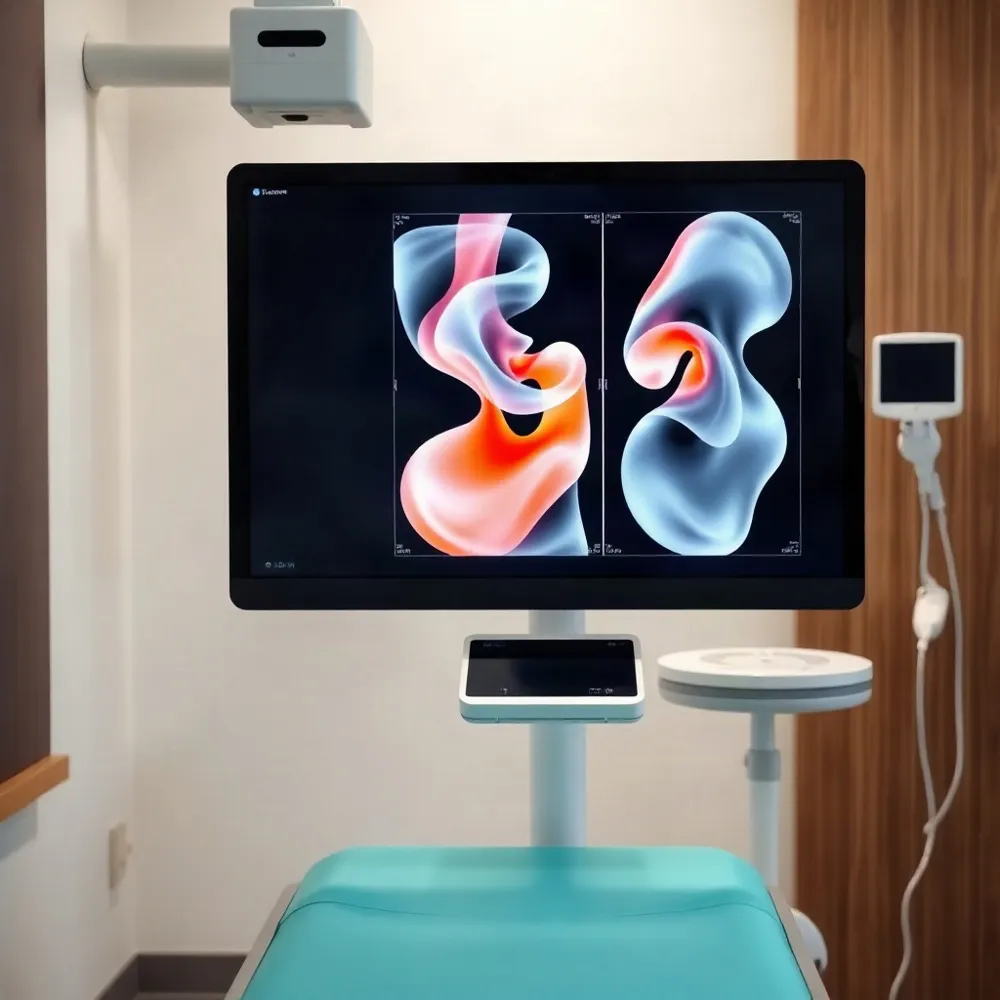
Imaging can help clarify what is happening. X-rays may show bone changes or narrowing, while MRI provides detailed views of spinal structures and nerves. If MRI is not suitable, CT may be considered; CT myelography uses contrast dye to outline the spinal cord and nerves. The choice of imaging depends on the clinical picture, as described in Mayo Clinic’s overview of spinal stenosis diagnosis and treatment.
A scan is not interpreted on its own. Clinicians compare imaging with symptoms and examination findings because similar walking or leg symptoms can arise from peripheral artery disease, neuropathy, a herniated disc, hip osteoarthritis, or other spine and joint conditions. Less common causes include infection, inflammatory disease, compression fractures, and cancer involving the spine. Reviewing the full picture helps guide appropriate next steps.
Finding a Comfortable Walking Plan
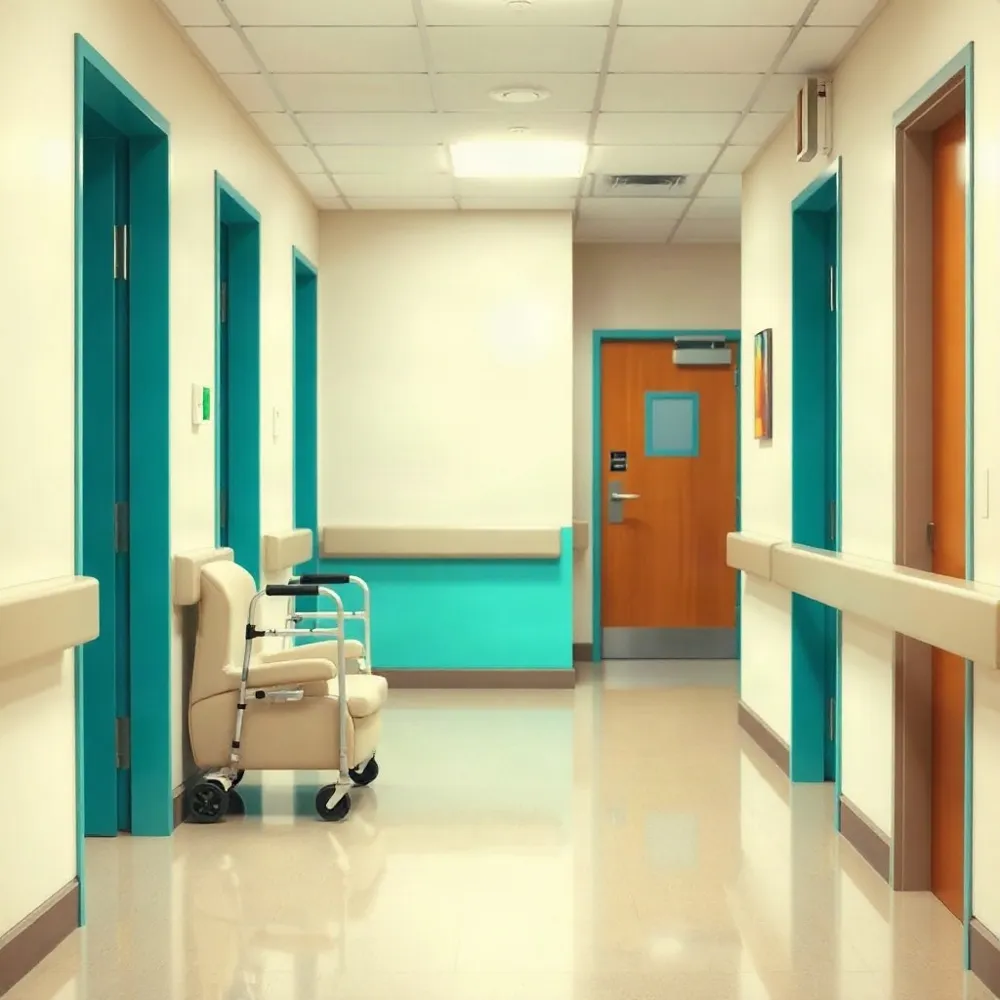 When spinal stenosis presses on nerves serving the legs, standing or walking may bring on pain, heaviness, cramping, tingling, numbness, or weakness. Symptoms often ease when sitting or bending forward, though the pattern varies from person to person. Johns Hopkins Medicine explains how lumbar stenosis can affect walking, and Mayo Clinic describes how position can affect symptoms.
There is no set distance that is right for everyone. Some people walk comfortably, while others need to stop after a short time. Symptoms, general health, and balance all affect what feels manageable. Start with short, comfortable intervals, and pause to rest if symptoms worsen rather than pushing through.
Walking may be reasonable when it does not trigger or increase symptoms. If upright walking is difficult, cycling or water-based activity may feel more comfortable. A physical therapist can help tailor activity to your symptoms and mobility; California Pain Institute provides evaluation and management for chronic pain conditions, including care planning based on a patient’s needs.
A cane, walker, or wheeled rollator may support stability and make it easier to stay mobile. The right choice depends on balance, strength, comfort, and walking needs. Ask a clinician or physical therapist to help select and fit an aid and demonstrate safe use. An aid supports mobility but does not treat the spinal narrowing.
Seek emergency care for new bowel or bladder control problems, numbness around the groin or inner thighs, or severe leg weakness. These symptoms may signal serious nerve compression and need urgent assessment.
Nonsurgical Care and Pain Relief
Treatment is tailored to symptoms, daily function, examination findings, and the location of narrowing. Many people start with nonsurgical care, which can help manage symptoms but does not cure stenosis or widen the spinal canal. Johns Hopkins Medicine describes individualized treatment options, including physical therapy, medication, and, in some cases, injections.
Physical therapy may focus on strengthening the back, abdominal, and leg muscles, stretching, and improving mobility and balance. A therapist can also help identify safer ways to perform daily activities. Adjusting activities, pacing tasks, and doing exercises approved by a clinician can complement therapy.
Medication may ease pain, but it does not remove pressure on nerves. Depending on a person's health history and symptoms, a healthcare professional may consider nonsteroidal anti-inflammatory drugs for pain and swelling, or medicines directed at nerve pain or muscle spasms. These options can have risks and are not suitable for everyone, so discuss their safety with a clinician.
An injection around a pinched nerve may reduce swelling or provide some relief, but the benefits vary and it does not widen the canal. Johns Hopkins also notes that acupuncture or chiropractic care may help some people. Discuss complementary treatments and supplements with a healthcare professional; evidence for glucosamine and chondroitin has been disappointing.
Ice, heat, massage, or a warm shower may offer temporary symptom relief, not a cure. If symptoms continue to limit mobility or weakness worsens, a clinician can review the plan and discuss further options. Decisions should reflect clinical findings and function, rather than imaging alone.
Exercise and Everyday Self Management
Regular, individually tailored exercise can strengthen the muscles that support the back and legs and help maintain flexibility, balance, and mobility. It does not reverse or widen the narrowed space in the spine, but it may support function and symptom management. Johns Hopkins Medicine recommends working with a healthcare team to shape care around your needs.
Walking may be reasonable when it does not worsen symptoms. Cycling, swimming, and water-based activity are alternatives if upright walking is uncomfortable. Tolerance differs from person to person, so a physical therapist can help adapt activities, pace, and movement techniques. If an activity increases pain, numbness, or weakness, modify or stop it and ask a clinician what may be suitable rather than following a blanket rule. Guidance on exercise and mobility can also help frame a gradual, tailored approach.
Everyday habits may support back health: maintain a healthy weight, use good posture and safe lifting mechanics, and stop smoking. Ice, heat, massage, or a warm shower may offer simple relief, although they do not treat the narrowing itself. California Pain Institute focuses on diagnosing and managing chronic pain, with treatment decisions informed by each person’s symptoms and function.
There is no single sleeping position established as a treatment for lumbar spinal stenosis, and comfort varies. If pain, numbness, or weakness disrupts sleep, discuss it with a healthcare professional who can consider your symptoms and individual needs.
When Surgery May Be Considered
Surgery is not needed by everyone with lumbar spinal stenosis. It may be considered when nonsurgical care has not brought enough relief or when nerve problems are worsening. Suspected cauda equina syndrome, including new loss of bowel or bladder control or severe numbness between the legs, needs immediate medical assessment, not a routine surgical consultation.
Procedures vary according to what is narrowing the spinal canal. A laminectomy removes part of a vertebra to make more room, while the MILD procedure removes small portions of thickened ligament. Decompression aims to relieve pressure on nerves; some people also need spinal fusion to stabilize the lower back. Johns Hopkins Medicine describes these lumbar stenosis procedures.
A specialist weighs symptoms, walking and daily function, examination findings, imaging, and overall health when discussing whether surgery is appropriate. Relieving pressure may improve nerve-related symptoms, but surgery does not cure age-related arthritis, and some symptoms may remain. At California Pain Institute, a pain medicine physician can help assess chronic pain and discuss care options; decisions about surgery should include a specialist review of expected benefits and risks.
A Plan Built Around Your Mobility
Walking difficulty linked to lumbar stenosis deserves clinical attention, especially if it is changing or limiting daily activities. Care should reflect your symptoms, mobility, examination findings, and goals, rather than imaging alone. Johns Hopkins Medicine recommends working closely with a healthcare team and taking an active role in treatment decisions.
At California Pain Institute, care focuses on diagnosing and managing chronic pain, so discuss how walking problems affect your routine and what matters most to you. Seek emergency care for loss of bowel or bladder control, numbness around the groin, or severe, worsening weakness in the legs, which can signal serious nerve compression.