Introduction: Navigating Neuropathy Through Patient Experiences
Understanding Neuropathy and Its Impact
Neuropathy affects over 20 million Americans, with a notable increase in prevalence among those aged 55 and older. Common symptoms include numbness, tingling, burning pain, and muscle weakness, often beginning in the hands and feet. These symptoms can affect mobility, daily activities, and overall quality of life, highlighting the significant burden neuropathy places on patients.
Embracing Patient-Centered, Multi-Modal Care
Effective neuropathy management requires a patient-centered approach that integrates diverse treatment strategies. Traditional pharmacological options often bring side effects or provide limited relief, prompting patients to explore alternatives such as laser therapy, physical rehabilitation, psychological support, and specialized nerve treatments. The combination of these modalities aims not only to alleviate pain but also to restore function and improve well-being.
Hope Through Treatment Success Stories
Recent advances have inspired hope, as seen in numerous patient reports of meaningful improvement. Patients have experienced significant pain reduction, regained sensation and mobility, and achieved better sleep through innovative therapies like infrared laser treatment and intraneural facilitation. These success stories underscore the potential for recovery and enhanced quality of life with comprehensive, well-tailored neuropathy care.
Cutting-Edge Laser Therapy: A New Dawn for Peripheral Neuropathy Patients
What is the breakthrough treatment for neuropathy?
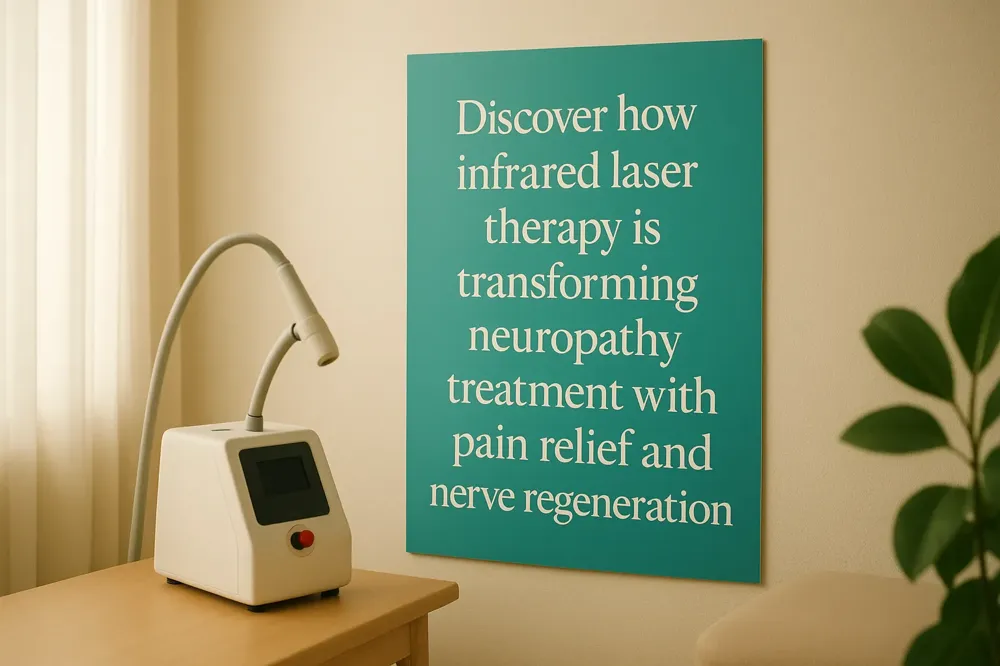
Infrared laser therapy represents a promising breakthrough in managing peripheral neuropathy. Unlike traditional treatments that rely heavily on medications, this therapy uses targeted infrared light to reduce nerve inflammation, stimulate healing, and enhance circulation. This approach offers pain relief without the side effects commonly seen with opioid medications and other pharmaceuticals. It is gaining recognition for treating various neuropathy causes, notably chemotherapy-induced neuropathy, providing patients with a non-invasive and drug-free option for managing their symptoms.
Has anyone ever reversed neuropathy?
Complete reversal of neuropathy remains complex, yet infrared laser therapy has shown remarkable potential in facilitating nerve repair and restoring function. Many patients have reported regaining sensation in their hands and feet after undergoing this treatment. Improvements extend beyond pain reduction; some have noticed enhanced skin color and normalization in affected limbs, signifying better blood flow and nerve health. These encouraging outcomes indicate that while full reversal might be difficult, significant recovery and symptom relief are achievable.
What benefits do patients experience with infrared laser therapy?
- Significant pain reduction, including in cases unresponsive to conventional therapies.
- Regained sensations in extremities leading to improved mobility.
- Improved sleep quality linked to decreased neuropathic pain.
- Restoration of skin color and better circulation in limbs.
- Reduced dependence on pain medications with their associated fatigue or other side effects.
How does infrared laser therapy serve as an alternative to pain medication?
Many patients struggling with neuropathic pain face challenges related to medication side effects like tiredness and drug dependence. Infrared laser therapy offers an alternative by targeting nerves directly to encourage natural healing and reduce pain signals. This reduces the need for systemic medications, improving overall quality of life. Learn more about laser therapy alternative to pain medication.
What makes this therapy especially useful for chemotherapy-induced neuropathy?
Chemotherapy often causes damaging side effects to peripheral nerves, leading to debilitating pain. Infrared laser therapy targets these damaged nerves to reduce inflammation and promote repair. Patients treated at specialized centers have reported dramatic pain relief and functional improvements, helping them regain normal activities and restful sleep. See Jan Griffith's story with chemotherapy-induced peripheral neuropathy for more information.
| Benefit | Patient Impact | Therapy Effect |
|---|---|---|
| Pain reduction | Enables daily activity, improves sleep | Decreases nerve inflammation |
| Regained sensation | Improved hand and foot function | Stimulates nerve healing |
| Skin color normalization | Indicates improved blood flow | Enhances circulation |
| Reduced medication reliance | Fewer drug side effects, less fatigue | Offers non-pharmacologic treatment |
| Chemotherapy neuropathy relief | Pain relief, better mobility | Targets chemotherapy nerve damage |
Regenerative and Manual Therapies: Intraneural Facilitation and Patient Recovery
What is Intraneural Facilitation® Treatment?
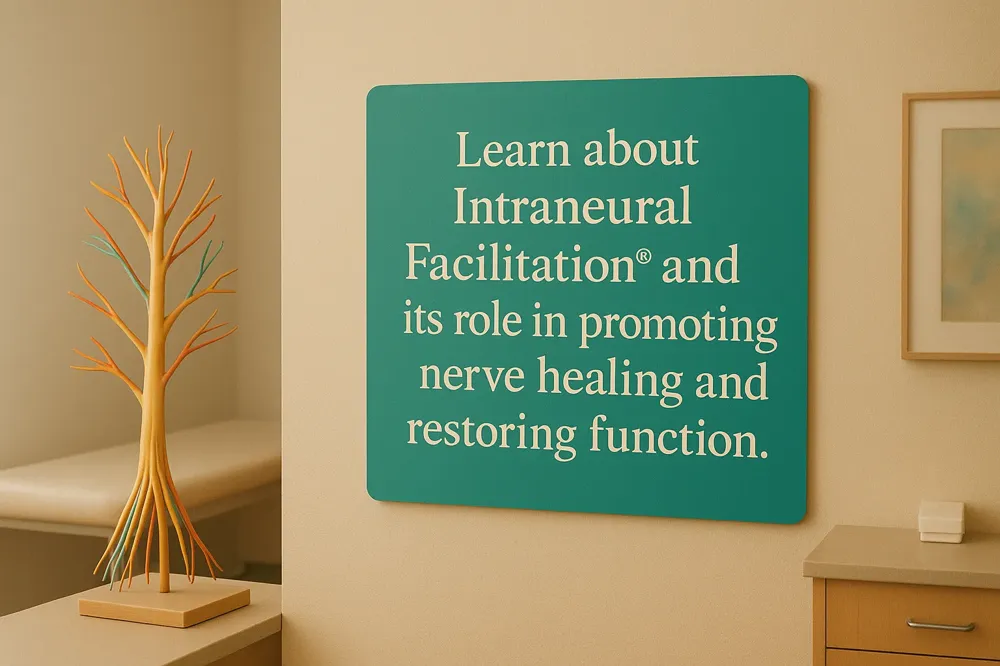
Intraneural Facilitation® (INF™) is an innovative manual therapy developed to stimulate blood flow into damaged nerves, promoting their healing and reducing neuropathic pain. By enhancing circulation within the nerve structures, INF™ aims to restore nerve function and alleviate symptoms such as numbness, tingling, and severe pain common in peripheral neuropathy. Learn more about Intraneural Facilitation® Treatment success stories.
How Does INF™ Restore Nerve Blood Flow?
The treatment involves carefully applied manual techniques that improve microvascular blood flow to the affected nerves. This process helps repair nerve tissues and supports regeneration. INF™ often incorporates patient education on diet, lifestyle, and at-home exercise programs to maintain therapeutic benefits and encourage whole-person wellness. You can find detailed descriptions in Grateful patient experience at LLUH Neuropathy Therapy Center.
What Are Some Patient Success Stories?
Patients at Loma Linda University Health's Neuropathic Therapy Center have reported significant recovery after INF™ treatment. For example, Will Johnson experienced remarkable pain reduction and regained the ability to walk without discomfort after years of suffering from COVID-19-related neuropathy. Similarly, Jan Griffith, suffering chemotherapy-induced neuropathy, regained mobility and daily functioning, highlighting INF™'s potential to improve quality of life even in severe cases. Discover more in Neuropathy patient recovery testimonials and Jan Finds Hope and Healing Therapy for Nerve Pain.
How Is INF™ Integrated Into Academic Medical Centers?
Academic institutions like Loma Linda University Health provide this therapy as part of a comprehensive, patient-centered approach. This includes multi-disciplinary care teams that focus on nerve regeneration and manage neuropathy holistically. Such centers ensure treatment credibility and access to cutting-edge therapies grounded in research. See more on Neuropathic Therapy Center patient experiences.
What Does a Holistic Treatment Approach Involve?
INF™ therapy is complemented by patient and family education, lifestyle modification guidance, and at-home exercises to support nerve health. This method recognizes neuropathy's complexity, addressing physical symptoms alongside overall well-being, thereby providing sustained pain relief and functional improvements. Patients are empowered as active participants in their recovery journey. Explore Grateful patient experience at LLUH Neuropathy Therapy Center for further insights.
| Aspect | Details | Impact on Patients |
|---|---|---|
| Treatment Type | Intraneural Facilitation – manual stimulation | Promotes nerve regeneration |
| Mechanism | Restores blood flow to damaged nerves | Reduces pain and restores sensation |
| Patient Outcomes | Pain relief, improved mobility, regained function | Enhanced quality of life and independence |
| Medical Setting | Academic centers with multidisciplinary approaches | Credible, holistic, research-based care |
| Patient Empowerment | Education and home therapies | Sustained benefits and active recovery |
Exercise and Movement: Empowering Patients to Manage Neuropathy Symptoms
What is the best exercise for neuropathy of the feet?
Recommended exercises for foot neuropathy focus on improving circulation, nerve function, and muscle strength. These include ankle circles that gently mobilize the joints, heel-to-toe walking to promote balance, seated marching to engage the leg muscles, toe towel scrunches that build foot strength, and calf raises for improved lower leg endurance. See more about Exercise as a management strategy for peripheral neuropathy symptoms.
What exercises should be avoided with peripheral neuropathy?
Patients with peripheral neuropathy should avoid high-impact and weight-bearing activities such as running or long walks. These can increase the risk of developing ulcers or fractures due to decreased sensation and impaired healing. Instead, safer alternatives are non-weight-bearing exercises like swimming and cycling, which maintain cardiovascular fitness without excessive stress on the feet. Learn about Nonpharmacological treatments for peripheral neuropathy.
Benefits of movement-based therapies
Movement therapies such as chair yoga, tai chi, and water aerobics have been proven to help neuropathy patients regain confidence in safe movement. These activities improve flexibility, balance, and strength, which are crucial for maintaining mobility and preventing falls. For detailed patient experiences, see Megan's chronic pain journey.
Role of physical therapy in enhancing mobility
Physical therapy plays a vital role in helping patients enhance their mobility by guiding individualized exercise plans, educating proper body mechanics, and addressing issues like stiffness and weakness. Therapists employ nerve gliding techniques and functional exercises to restore sensation and reduce neuropathic symptoms. More on Physical therapy for neuropathy.
Patient stories emphasizing improved function and confidence
Patients like Megan have reported regaining feeling in affected limbs and improving lower back and pelvic function through movement-based interventions. Similarly, individuals treated with laser therapy or specialized neuropathy programs have experienced better walking ability and reduced pain, enabling them to participate more fully in daily activities and family life. Read inspiring Neuropathy pain relief success stories and Intraneural Facilitation® Treatment success stories.
Training the Brain and Breaking Free from Chronic Pain
Can you train your brain to beat chronic pain?
Yes, neural retraining techniques such as scrambler therapy offer an innovative way to manage chronic pain. Scrambler therapy uses electrical stimulation to interrupt the chronic pain signals sent to the brain, effectively "scrambling" these signals. This process helps retrain the brain’s perception of pain, which can lead to significant relief from persistent symptoms. By altering the way pain is processed neurologically, patients can experience reduced pain intensity and improved function without reliance on opioids. For more about tools for managing daily pain and flare-ups, see Megan's chronic pain journey.
Can chronic pain be cured?
While chronic pain is rarely fully cured, it can be effectively managed. Multidisciplinary pain management approaches combine psychological support, physical therapy, and non-opioid neuromodulation techniques to control pain and enhance quality of life. The goal of these treatments is to reduce pain to a manageable level, restore physical function, and empower patients with coping strategies for flare-ups. Learn more about multidisciplinary treatment for chronic pain.
Psychological and interdisciplinary approaches
The brain’s role in modulating chronic pain is critical. Psychological therapies, such as cognitive behavioral therapy (CBT) and mindfulness, help patients change pain-related thought patterns and reduce emotional distress.
Interdisciplinary care teams—including medical doctors, psychologists, physical therapists, and occupational therapists—work collaboratively to address the complex nature of chronic pain holistically. This teamwork ensures that physical, psychological, and social aspects of pain are managed effectively, promoting patient engagement and better outcomes. For insights into psychological support for pain management and physical therapy for chronic pain, see Megan's chronic pain journey and chronic pain rehabilitation.
Patient stories demonstrating improved quality of life
Many patients report significant improvements after receiving integrated therapies. For example, sufferers of neuropathic and chronic pain conditions have regained sensation, improved mobility, and experienced enhanced sleep and daily functioning through neural retraining and holistic care. These stories underscore the powerful impact of brain-focused therapies combined with supportive, personalized pain management strategies. Explore Neuropathy pain relief success stories and Neuropathic Therapy Center patient improvements for more patient experiences demonstrating improved quality of life.
Hope and Holistic Care: Patient Journeys toward Normal Living with Neuropathy
Can people with neuropathy live a normal life?
Many patients with neuropathy regain significant daily function and live normal, fulfilling lives through targeted treatments. Reports from clinics such as Midwest Spine & Nerve Center neuropathy outcomes and Loma Linda University Health neuropathy patient testimonials highlight patients who, after exploring options like infrared laser therapy benefits and Intraneural Facilitation® Treatment success stories, have regained sensation, reduced pain, and improved mobility. For example, patients suffering from chemotherapy-induced neuropathy relief or longstanding symptoms have reported dramatic pain relief, improved sleep, and the ability to walk without discomfort.
What are the outcomes of neuropathy?
Neuropathy without proper treatment may worsen, causing pain, numbness, ulcers, infections, and mobility difficulties. However, early diagnosis and comprehensive management focusing on underlying causes such as diabetes or autoimmune conditions can prevent deterioration. Treatment approaches range from physical therapy and nerve stimulation to advanced procedures and lifestyle modifications, many of which have brought notable symptom improvements and prevented progression in various patient stories.
Role of multidisciplinary teams and non-opioid options
Managing neuropathy effectively often requires a multidisciplinary pain management approaches combining medical, physical, and psychological care. Integrative therapies including physical therapy for chronic pain, occupational therapy, pain psychology, and innovative treatments like laser therapy alternative to pain medication and nerve facilitation techniques have provided promising results. Emphasis is also placed on non-opioid pain relief options to avoid adverse effects associated with narcotics, enabling patients to regain function and reduce medication dependence.
Maintaining quality of life and emotional well-being
Addressing the emotional and psychological impacts of chronic neuropathic pain is crucial. Programs employing mindfulness, cognitive-behavioral therapy, and patient education support emotional resilience, reduce isolation, and improve overall well-being. Successful patient stories such as Megan's chronic pain journey underscore the importance of holistic care that empowers individuals to engage in family, social, and physical activities once limited by pain.
Does eating pineapple help with neuropathy?
Incorporating anti-inflammatory foods into the diet, such as pineapple which contains bromelain, may aid in reducing nerve inflammation and neuropathic pain. While not a standalone cure, pineapple complements comprehensive treatment plans by providing natural anti-inflammatory benefits safely, supporting improved nerve health and symptom management.
Patients' journeys affirm that with personalized, collaborative care focusing on symptom relief, functional restoration, and emotional health, most individuals with neuropathy can achieve a restored quality of life and maintain normal activities.
Conclusion: Inspiring Stories Illuminate the Path Forward for Neuropathy Patients
Diverse treatments have offered meaningful relief
Neuropathy patients have found success with a wide range of treatments, from innovative laser and Intraneural Facilitation therapies to nerve blocks and advanced neuromodulation devices. Many report reduced pain, regained sensation, improved mobility, and enhanced quality of life even after other treatments failed.
Personalized care is essential
Individualized approaches—combining medical interventions, physical therapy, psychological support, and lifestyle adjustments—are crucial. Comprehensive care tailored to each patient’s unique condition and needs helps address both physical symptoms and emotional impacts.
Hope for ongoing progress
Emerging therapies and interdisciplinary treatments continue to improve outcomes. Continued research and integration of novel techniques promise more effective, less invasive options for neuropathy management.
Empowering patients
Education and support empower patients to actively participate in their recovery, adopt helpful strategies, and maintain hope. These inspiring stories highlight the potential for healing and a better life despite chronic neuropathic challenges.