When Head Pain Needs Attention
Many headaches are linked to common factors such as stress, missed meals, or poor sleep. But sudden, severe pain, a major change from a familiar pattern, or head pain with other concerning symptoms may need prompt medical assessment. A headache alone cannot reveal its cause, so warning signs matter.
This guide explains how to recognize those signs, decide when emergency care is appropriate, and understand what a medical evaluation may involve. The American Headache Society’s red-flag guidance describes features that can prompt clinicians to investigate possible causes beyond a primary headache disorder. For ongoing or recurring pain, the California Pain Institute’s physician-led care focuses on diagnosing and managing chronic pain conditions.
Recognize Emergency Warning Signs
 A sudden, explosive headache that reaches severe intensity within seconds or minutes, particularly a first or worst-ever headache, needs emergency evaluation. Call 911 or go to an emergency department, even if the pain quickly eases. Improvement does not rule out bleeding or another serious problem, and you should not drive yourself if you feel confused, weak, faint, or unwell. MedlinePlus lists sudden, severe headache among danger signs requiring emergency care.
Get emergency help if head pain occurs with new weakness or numbness, facial drooping, trouble speaking or walking, confusion, fainting, seizure, vision changes or loss, fever with a stiff neck, or repeated vomiting. Do not wait for additional symptoms to appear. A headache red-flag guide from the American Headache Society describes sudden onset and new neurological symptoms as warning signs that may need prompt investigation.
Prompt assessment is also warranted for headache after a head injury, during or soon after pregnancy, or in someone with cancer or a weakened immune system. A new headache beginning after age 50, a pattern that steadily worsens or becomes more frequent, or pain that wakes you from sleep should be discussed with a clinician. Headaches triggered by coughing or straining, or that change markedly with posture, also merit evaluation.
These features can suggest a secondary headache, meaning pain related to an underlying condition rather than a primary headache disorder. They do not establish a diagnosis on their own. At California Pain Institute, a physician-led pain clinic in the Los Angeles area, assessment of chronic pain includes evaluating symptoms and the patient's history to guide care.
Choose Emergency Care Without Delay
 SECTION (Choose Emergency Care Without Delay):
A headache needs emergency department care when it is sudden and severe, or comes with symptoms that may signal a serious problem. Mayo Clinic advises emergency assessment for severe head pain accompanied by symptoms such as weakness, confusion, seizures, or difficulty speaking (headache emergency warning signs).
Go to the ER for fainting, new weakness or numbness, trouble speaking or walking, vision loss, or a seizure. A severe headache with fever and a stiff neck, repeated vomiting, or following a head injury also warrants prompt evaluation. A new headache in someone with a weakened immune system should be assessed urgently.
Call 911 rather than driving if symptoms begin suddenly or are severe, especially if the person is confused, weak, faint, or unsafe to transport. Emergency physicians advise emergency care for sudden severe pain or headache accompanied by symptoms such as confusion, stiff neck, weakness, or prolonged vomiting (emergency headache guidance).
Without these warning signs, contact a primary care clinician or seek urgent care if the pain is troubling or changing. When a headache is rapidly worsening or you are unsure whether it is serious, do not wait to see if it passes. California Pain Institute evaluates and manages chronic pain conditions, including headaches that need follow-up after emergency concerns have been ruled out.
Understand Headache Patterns and Triggers
Frequent or daily headaches can arise from migraine, tension-type headache, another headache disorder, or frequent use of pain-relief or migraine medicines. With medication-overuse headache, pain may ease briefly after a dose and return as its effect fades. Do not stop or change prescribed medicines without medical advice. A sudden, severe headache is different from a recurring pattern and needs urgent assessment. The American Headache Society’s overview of headache warning signs explains why a new or changing headache may need investigation.
A brief stabbing pain on one side may fit a primary stabbing, or ice-pick, headache. Migraine and cluster headache can also cause one-sided pain, and less commonly, an underlying condition may be responsible. The pain’s location alone cannot identify its cause. Note how long it lasts, how often it occurs, and whether other symptoms accompany it.
Head pain brought on by coughing, sneezing, bending, or straining can be a primary headache, but it may also relate to pressure changes or another underlying problem. New or recurring symptoms deserve clinical evaluation, and a clinician may consider imaging based on the history and examination. A headache that is steadily worsening, changes with position, or comes with neurological symptoms should not be managed only at home.
Morning headache with nausea may occur with migraine, poor sleep, sleep apnea, dehydration, alcohol, stress, or medication overuse. Persistent or worsening morning symptoms warrant assessment. A headache diary recording sleep, symptoms, medicines, and possible triggers can help a clinician assess the pattern. California Pain Institute focuses on diagnosing and managing chronic pain, including headaches, through evaluation by a pain medicine physician. For practical guidance on tracking recurring symptoms, see understanding headache patterns and triggers.
Dehydration, skipped meals, poor sleep, stress, alcohol, certain foods, and viral illness can contribute to head pain. These clues may help guide a discussion with a clinician, but they do not confirm the cause or rule out a serious problem. Seek emergency care for a sudden, exceptionally severe headache or one accompanied by weakness, confusion, vision changes, stiff neck, fainting, or high fever. Harvard Health’s guidance on when headache symptoms need attention also notes that unusual or worsening patterns merit medical assessment.
Know When to Arrange Medical Advice
There is no single duration that determines when a headache needs medical attention. Arrange a clinician visit if headaches keep returning, worsen, interfere with daily activities, or do not improve with appropriate treatment. Headaches that occur more than twice a week or last several days, especially if that pattern is new for you, also warrant medical advice. MedlinePlus guidance on headache danger signs recommends prompt assessment for headaches that persist, recur, or change in pattern.
Do not wait for a routine appointment if head pain is sudden and severe, follows a head injury, or occurs with fever, a stiff neck, confusion, weakness, vision changes, or repeated vomiting. These symptoms call for urgent or emergency assessment. The American Headache Society’s guidance on headache red flags describes warning signs that may point to a cause needing prompt evaluation.
For a non-emergency appointment, record when the headache starts, how long it lasts, associated symptoms, possible triggers, sleep, and medication use. This information can help a clinician assess the pattern and discuss care. At California Pain Institute, evaluation and management are led by a pain medicine physician, with attention to a patient’s headache history and symptoms.
What Emergency Evaluation May Involve
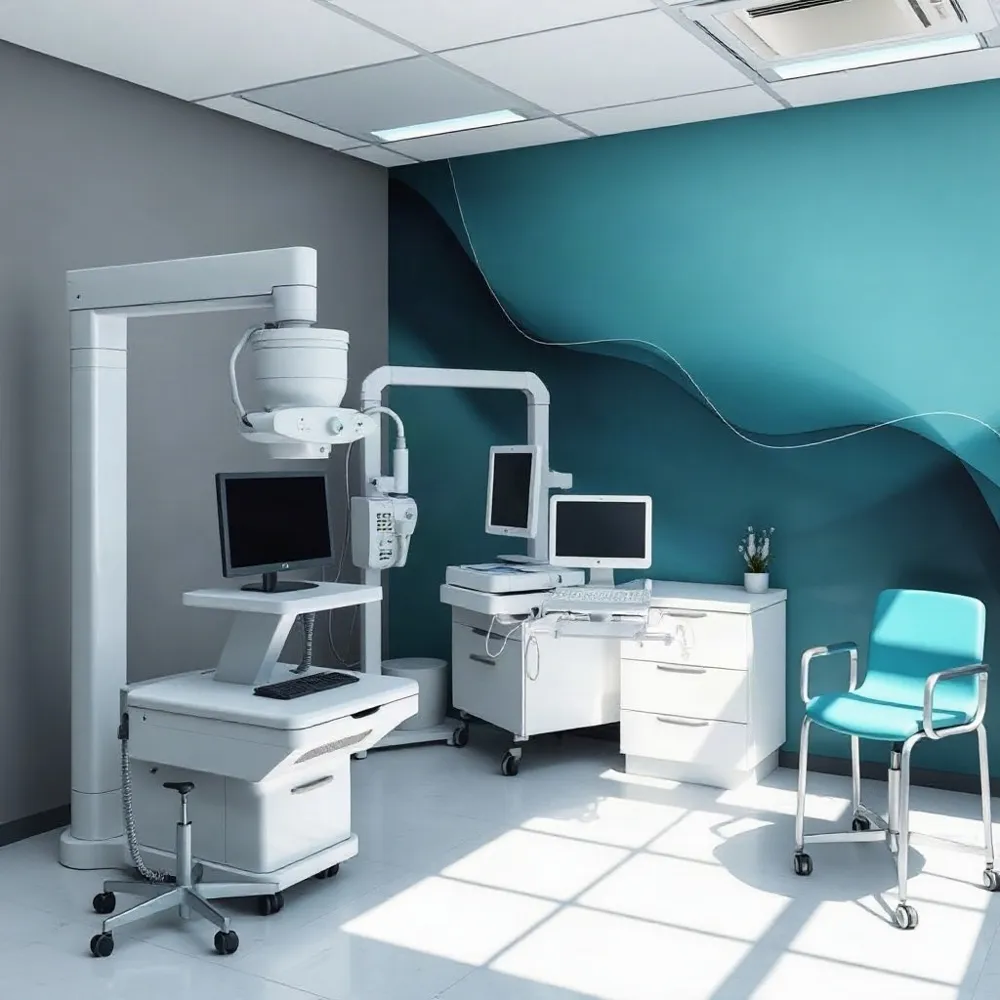 In the emergency department, clinicians begin by checking vital signs, alertness, and neurological function. They may ask when the headache started, how quickly it became severe, whether it followed an injury or exertion, what other symptoms are present, and about your medical history and medicines.
A physical and neurological examination helps the care team decide whether further testing is needed. Depending on the findings and suspected cause, tests may include a CT or MRI scan, blood tests, or a lumbar puncture, also called a spinal tap. The American Headache Society’s guidance on headache red flags explains that evaluation is tailored to the symptoms and examination.
Treatment depends on what clinicians find. For a migraine or other painful headache, care may include pain-relieving or migraine medicines, fluids, and medication for nausea. If testing identifies a serious cause, treatment will address that condition and may require hospital admission.
Before discharge, the team may reassess your symptoms and neurological status, then explain what to watch for and what follow-up is needed. For recurring headaches without emergency warning signs, a pain specialist’s approach to chronic migraine management may help guide ongoing care.
Act on Red Flags
A sudden, severe headache or head pain with new weakness, confusion, vision changes, fever, or other concerning symptoms needs urgent assessment, even if it begins to ease. These warning signs can have several causes, and symptoms alone cannot identify which one. See Mayo Clinic’s emergency guidance for headaches.
Call emergency services for severe or rapidly worsening symptoms rather than driving yourself. For a new, persistent, or changing headache without emergency signs, contact a clinician for advice. California Pain Institute evaluates and manages chronic pain conditions, including headaches, with care led by a pain medicine physician.