
Understanding Sciatica and Non-Surgical Solutions
Sciatica is a term that describes pain radiating from the lower back through the buttock and down one leg, caused by irritation or compression of the sciatic nerve — the largest nerve in the body. It is a symptom of an underlying condition such as a herniated disc, spinal stenosis, or piriformis syndrome, not a disease itself.
The good news is that most cases of sciatica improve without surgery, often within four to six weeks. As Harvard Health notes, many people find relief through self-care measures like gentle stretching and applying heat or ice.
This article focuses on proven non-surgical methods to alleviate sciatic nerve irritation. From physical therapy and medication management to epidural steroid injections performed at a Los Angeles clinic like the California Pain Institute, these approaches target the root cause of your pain while helping you avoid surgical risks and downtime.
What Is Sciatica and Can It Heal on Its Own?
 Sciatica is the term for pain, numbness, or tingling that occurs when the sciatic nerve — the largest nerve in the body — becomes irritated or compressed. The nerve starts in the lower back and runs through the buttock, down the back of each thigh, and into the leg and foot. Since it provides motor and sensory function to your legs, even mild irritation can cause noticeable discomfort.
Sciatica is not a disease itself but a symptom of an underlying condition. The most common cause is a herniated disc that presses on a nerve root in the lower spine. Other causes include spinal stenosis (a narrowing of the spinal canal), piriformis syndrome (when a muscle in the buttock compresses the nerve), degenerative disc disease, or bone spurs. Because so many different issues can trigger sciatic pain, identifying the exact source is an important step toward lasting relief.
Do Most Cases Improve on Their Own?
Research from Mayo Clinic shows that for most people, sciatica responds well to self-care measures. Many cases improve within four to six weeks without surgery or intensive medical treatment. According to data from Cleveland Clinic, nearly half of patients report symptom improvement within ten days to 1.5 months after diagnosis.
Structured conservative care, such as targeted physical therapy and medication for nerve pain, can significantly relieve pain and improve function for those whose symptoms persist beyond a few weeks. Although resting for a day may provide short-term comfort, staying inactive for longer periods often worsens pain and slows recovery.
When Natural Recovery Is Not Enough
Harvard Health notes that if moving makes the pain worse or if symptoms last longer than several weeks, it is wise to see a healthcare provider. Severe signs such as progressive leg weakness, loss of bladder control, or persistent numbness in both legs require prompt evaluation because they may point to conditions like cauda equina syndrome that demand urgent treatment.
The California Pain Institute offers multidisciplinary non-surgical management options including physical therapy, medication management, epidural steroid injections, and chiropractic care — all aimed at addressing your specific underlying cause rather than just masking symptoms.
Identifying Sciatica Triggers and Risk Factors
 Understanding what triggers sciatica is an important step in managing the condition. While the underlying cause is often irritation of the sciatic nerve from a spinal issue, various daily habits and physical factors can provoke a flare-up.
Common Causes of Sciatic Nerve Irritation
Herniated Disc. The most common cause of sciatica. When a disc in the lower spine bulges or ruptures, it can press directly on a nerve root that forms the sciatic nerve, causing sharp pain, numbness, or tingling down one leg.
Spinal Stenosis. A narrowing of the spinal canal in the lower back that compresses the nerve roots. This can create pressure on the sciatic nerve over time, especially as age-related changes occur.
Piriformis Syndrome. The piriformis muscle in the buttock lies directly over the sciatic nerve. If this muscle tightens or goes into spasm, it can pinch the nerve and produce symptoms identical to disc-related sciatica.
Degenerative Disc Disease. Mayo Clinic notes that as discs lose hydration and height with age, the space between vertebrae narrows, which can lead to bone spurs or instability that irritate nearby nerves.
According to Cleveland Clinic, other potential causes include foraminal stenosis (narrowing where nerves exit), spondylolisthesis (a slipped vertebra), osteoarthritis, pregnancy, and in rare cases tumors or cysts growing near the spine.
Proven Non-Surgical Treatments for Sciatica
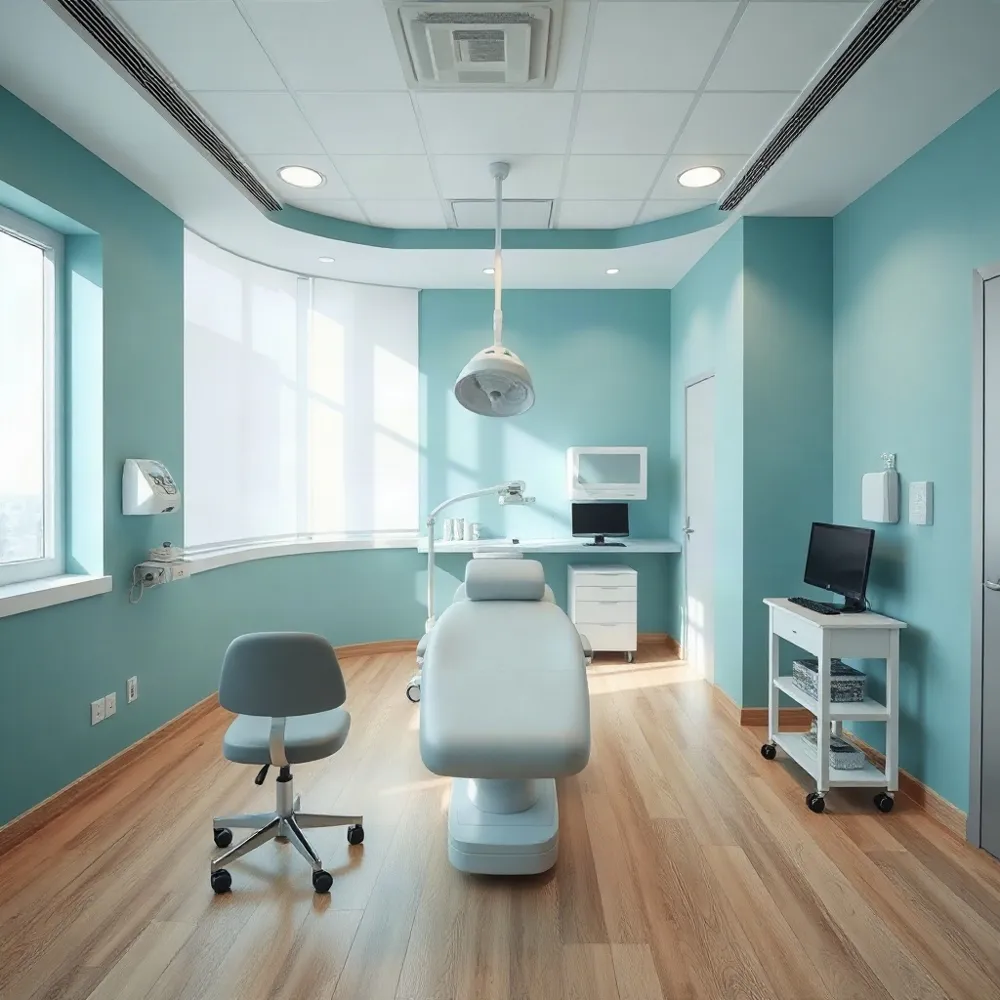 For most people, sciatica improves with conservative care, and several non-surgical options have strong evidence behind them. A good starting point is understanding how these treatments reduce nerve compression and promote healing, which you can explore in our overview of conservative care approaches.
First-Line Approaches
Physical therapy and targeted exercise are often the foundation of non-surgical care. Stretching and strengthening routines help reduce pressure on the sciatic nerve and improve posture, which can ease symptoms over time. Gentle activities like pelvic tilts and glute bridges are commonly recommended, as described in our exercises for lower back and sciatica stabilization.
Over-the-counter pain relievers, such as ibuprofen or naproxen, can reduce inflammation and provide short-term relief. For more persistent pain, your doctor may prescribe muscle relaxants or other medications. These are typically used alongside physical therapy, not as a standalone fix.
Manual and Injection Therapies
Chiropractic care, massage, and acupuncture are popular complementary options. Chiropractic adjustments can improve spinal alignment and reduce nerve irritation, while massage and acupuncture may help relax tight muscles around the sciatic nerve. These therapies are often combined with exercise for better results.
When oral medications aren't enough, epidural steroid injections or nerve root blocks can deliver anti-inflammatory medicine directly to the affected area, as noted in our guide on what triggers sciatica and how to alleviate the pain. These injections provide temporary relief, usually lasting weeks to months, giving you a window to work on long-term strategies like physical therapy.
At capaininstitute.com, we specialize in diagnosing the root cause of your sciatica and creating a personalized non-surgical plan. Unlike generic online advice, our approach is tailored to your specific symptoms and lifestyle, incorporating one or more of the above treatments based on what your condition requires.
| Treatment | How It Works | Typical Use |
|---|---|---|
| Physical therapy | Stretching and strengthening | First-line for most patients |
| Medication | Reduces inflammation | Short-term symptom control |
| Spinal injections | Anti-inflammatory near nerve | When oral meds fail |
| Chiropractic care | Improves spinal alignment | Complementary to exercise |
| Massage | Relaxes tight muscles | Adjunct for muscle tension |
| Acupuncture | Stimulates nerve pathways | Alternative pain management |
At-Home Remedies and Exercises for Immediate Relief
For many people with sciatica, the sharp, radiating pain can make daily activities feel impossible. While professional care is important for long-term relief, several self-care strategies can be used at home to reduce acute discomfort. These approaches focus on non-invasive methods to reduce nerve compression and promote healing. According to Harvard Health, simple techniques can be highly effective.
Heat and cold therapy is a first-line approach. Applying an ice pack to the lower back for 15 to 20 minutes several times a day during the first 48 hours helps reduce inflammation. After that, switching to a heating pad can relax tight muscles and improve blood flow. Experts at the Cleveland Clinic note that alternating between the two can be particularly soothing, and the Mayo Clinic confirms that both are safe when applied properly.
Gentle Stretching and Posture Correction
Gentle stretching is another cornerstone of at-home relief. Targeted moves like the knee-to-chest stretch, the figure-four stretch, and the cat-cow pose help release tension along the nerve pathway. A Harvard Health resource explains that these exercises can ease nerve compression and improve flexibility. The key is to move slowly and avoid any stretch that increases pain; as noted in a sciatica self-care guide, holding a stretch for 30 seconds or less is a safe starting point.
Posture correction also plays a pivotal role. Slouching or sitting for extended periods can aggravate the sciatic nerve. When sitting, place a small cushion or rolled towel behind your lower back to maintain the natural curve of your spine. Stand up and walk around every 30 to 60 minutes. For a deeper dive into posture and movement, the Common Causes of Sciatica and How to Alleviate the Pain article on the customer's site offers practical tips.
Activity Modification and Pain Management
Modifying your daily activities is often necessary for healing. For the first few days, avoid heavy lifting, twisting, or any movement that exacerbates the pain. Instead, focus on short walks and light movement to keep the blood flowing. Over-the-counter anti-inflammatory medications like ibuprofen can help, but they should be used only as directed and not as a long-term solution. The Sciatica home remedies and self-care page emphasizes that these measures are most effective when combined with gradual return to normal activities.
Integrating exercises that stabilize the lower back can also prevent recurrence. Pelvic tilts, glute bridges, and gentle hamstring stretches help build core strength and support the spine. A helpful resource is the Exercises That Help Stabilize Your Lower Back and Sciatica article, which outlines a simple routine. Remember, consistency is more important than intensity.
When to Seek Professional Help
While these self-care strategies can bring relief, they are not a cure for everyone. If your pain persists for more than a few weeks, or if it is accompanied by numbness, weakness, or bowel or bladder changes, seek professional medical advice. A pain specialist can create a personalized plan that may include physical therapy, medications, or minimally invasive procedures. For long-term success, combining at-home care with professional guidance is the best approach. As emphasized in the Sciatica Specialist in Los Angeles resource, early intervention is key.
Ultimately, these at-home remedies are a starting point. They empower you to take an active role in your recovery, but they work best when paired with the expertise of a clinician. If you're ready to explore a structured treatment plan, consider booking a consultation with California Pain Institute to address the root cause of your pain.
When to Seek Professional Non-Surgical Care
Many people manage sciatic pain with rest, gentle stretching, and other home strategies. Yet certain warning signs should prompt a medical evaluation. If your pain has lasted more than a few weeks, keeps getting worse despite rest, or has started to spread into both legs, it is worth checking in with a professional. The goal is to identify an underlying cause and outline a treatment plan before the nerve compression leads to more persistent symptoms.
You should also seek medical attention right away if you notice progressive weakness in your leg or foot, numbness that affects your ability to walk or stand, or difficulty controlling your bladder or bowel. These red flags can point to more serious conditions, such as cauda equina syndrome, that require urgent care rather than self-treatment. For a more detailed review of warning signs and prevention strategies, see When to Seek Professional Non-Surgical Care.
What a Doctor Evaluation Covers
During an office visit, a pain specialist will review your medical history and perform a focused neurological exam. This often includes checking your reflexes, muscle strength, and sensation in your legs. In some cases, imaging tests such as MRI may be recommended to confirm the source of nerve compression. According to Mayo Clinic guidance, most people with sciatica improve within a few weeks to months using conservative care, and surgery is rarely the first option.
The California Pain Institute takes the same evidence-based approach. Rather than jumping to invasive procedures, the clinic begins with a thorough diagnosis and a stepwise plan. This mirrors the approach used by top research-backed centers: identify the cause, try conservative treatments first, and reserve more advanced options for cases that do not respond. That kind of careful, patient-specific evaluation is what separates lasting relief from a generic one-size-fits-all plan.
What Happens If You Wait
Delaying care does not usually cause permanent nerve damage, but it can prolong suffering and make daily activities harder. Muscle weakness that persists for more than a few weeks may become more difficult to reverse. Early intervention, whether through physical therapy, medication, or targeted injections, often leads to a faster recovery and a lower chance of the pain becoming chronic. Even when surgery is needed, it is typically reserved for severe or progressive cases.
Some people worry that seeing a doctor means they will be forced into surgery. That is rarely the case. Most specialists, including the team at California Pain Institute, aim to exhaust non-surgical options first. These include physical therapy, anti-inflammatory medication, and image-guided injections. A good evaluation gives you a clear answer about what is causing your pain and what will actually help, which takes the guesswork out of your recovery.
| Situation | Recommendation | Reason |
|---|---|---|
| Pain lasting more than a few weeks | Schedule an evaluation | May benefit from structured treatment |
| Progressive leg weakness | Seek care promptly | Risk of lasting nerve damage |
| Bladder or bowel changes | Seek immediate care | Could signal cauda equina syndrome |
| Numbness affecting walking | See a specialist soon | May indicate advanced nerve compression |
If you are unsure whether your symptoms warrant a visit, err on the side of being evaluated. A brief consultation can confirm whether conservative care is appropriate or whether a more urgent course is needed. The California Pain Institute provides same-day and next-day appointments for sciatica concerns, so you are not left waiting in pain. Being proactive about your nerve health is the first step toward regaining comfortable, full mobility.
Take Control of Sciatica Without Surgery
For many people, sciatica does not require surgery to improve. Conservative care, including physical therapy, targeted exercises, and lifestyle adjustments, can significantly reduce nerve compression and promote healing. According to sciatica home remedies and self-care guidance from Harvard Health, gentle stretching and proper posture are foundational steps in easing nerve irritation at home. These non-invasive approaches are often the first line of defense recommended by clinicians because they carry lower risk than surgical interventions while still addressing the underlying causes of pain.
Physical Therapy and Exercises
Physical therapy forms the cornerstone of non-surgical sciatica treatment. A structured program that includes pelvic tilts, glute bridges, and guided stretches can reduce muscle tension and increase blood flow to the affected area, which may facilitate the body's natural healing process. As outlined in exercises that help stabilize your lower back and sciatica, consistent practice of these movements not only alleviates pain but also strengthens the muscles that support the spine, reducing the likelihood of future flare-ups.
The physical therapy approaches for lasting sciatica relief emphasize a personalized plan that adapts to your specific limitations and pain triggers. Rather than a one-size-fits-all routine, a skilled therapist will assess your posture, mobility, and strength to design a regimen that targets your unique needs. This individualized attention is a key reason why physical therapy outperforms generic home remedies for many patients.
Medications and Injections
Over-the-counter anti-inflammatories and muscle relaxants can provide short-term relief from acute sciatic pain. For more persistent cases, epidural steroid injections and nerve root blocks are commonly used to reduce swelling around the sciatic nerve roots, thereby alleviating pain that radiates down the leg. These injections are not a cure but can offer a window of reduced pain that allows patients to engage more effectively in physical therapy.
While Harvard's guidance on sciatica relief notes that most cases improve within a few weeks, ongoing management may require a combination of approaches. The goal is always to avoid surgery if possible, and for many, this is achievable with a dedicated non-surgical plan.
When to Consider Non-Surgical Care
| Approach | Examples | When It Helps |
|---|---|---|
| Physical therapy | Pelvic tilts, glute bridges, stretching | Strengthens support muscles, improves mobility |
| Medications | NSAIDs, muscle relaxants | Short-term pain and inflammation reduction |
| Injections | Epidural steroids, nerve blocks | Temporary relief to enable therapy |
| Self-care | Heat/ice, posture adjustments | Eases mild symptoms at home |
| Manual therapy | Chiropractic, massage | Reduces muscle tension and nerve irritation |