Why the Landscape of Neck and Back Pain Is Shifting
The prevalence of neck and back pain is climbing. Epidemiological data shows that 70–80% of people will experience a spine pain episode in their lifetime. With an estimated 619 million people affected globally in 2020, and projections reaching 843 million by 2050, this is a mounting public health challenge. In the U.S. alone, the economic burden surpassed $134 billion in 2016, underscoring the urgent need for better solutions.
The Shortcomings of Conventional Care
Traditional approaches often fail patients. Surgery carries significant recovery times and risks, while reliance on opioids has fueled a crisis—21-29% of chronic pain patients misuse these medications. These limitations have spurred a shift toward technology-driven, minimally invasive treatments that target the root cause of pain rather than just masking symptoms.
A New Era of Spine Care
Innovations like spinal cord stimulation, regenerative medicine, and advanced imaging are transforming the landscape. These therapies offer personalized, effective relief with fewer side effects and reduced downtime. The goal is now to restore function and improve quality of life through precise, evidence-based interventions.
| Traditional Approach | Limitation | Technology‑Driven Solution | Benefit |
|---|---|---|---|
| Surgery | Invasive, long recovery | Minimally invasive procedures (e.g., RFA, MILD) | Shorter recovery, less tissue trauma |
| Opioids | Addiction risk, side effects | Regenerative medicine (PRP, stem cells) | Drug‑free, targets root cause |
| General imaging | Misses subtle pathology | Advanced MRI, AI‑enhanced diagnostics | Earlier, more accurate diagnosis |
Key Facts: Innovative Technologies for Neck and Back Pain
- 3D isotropic MRI uses equal-sized voxels to improve visualization of spinal anatomy, nerve roots, and cerebrospinal fluid flow.
- Synthetic MRI generates multiple contrast views (T1, T2, STIR) from a single acquisition, reducing scan time for diagnosing conditions like degenerative disc disease.
- Closed-loop spinal cord stimulation with ECAP sensing automatically adjusts signals in real-time to prevent adaptive tolerance and maintain consistent pain relief.
- Cooled radiofrequency ablation creates a spherical lesion beyond the needle tip for easier targeting of medial branch nerves in complex spinal anatomy.
- Basivertebral nerve ablation treats vertebrogenic pain originating from vertebral endplates, offering relief when bone is the primary pain source.
- Mesenchymal stem-cell injections for degenerative disc disease showed 60% mean pain improvement at three years with reduced disc bulge on MRI.
- Injectable hyaluronic-acid granular hydrogel provides cushioning to degenerated discs, prevents loss of disc height, and is visible on X-ray for monitoring.
- Smart back braces with accelerometers and gyroscopes deliver real-time alerts to correct posture and prevent strain that leads to chronic pain.
- Non-surgical motorized spinal decompression uses computer-controlled traction to create negative disc pressure, retracting herniated material off compressed nerves.
- Holistic pain management treats the whole person by integrating conventional medicine with complementary therapies like acupuncture and cognitive behavioral therapy.
1. AI‑Enhanced 3D Isotropic MRI and Synthetic Imaging
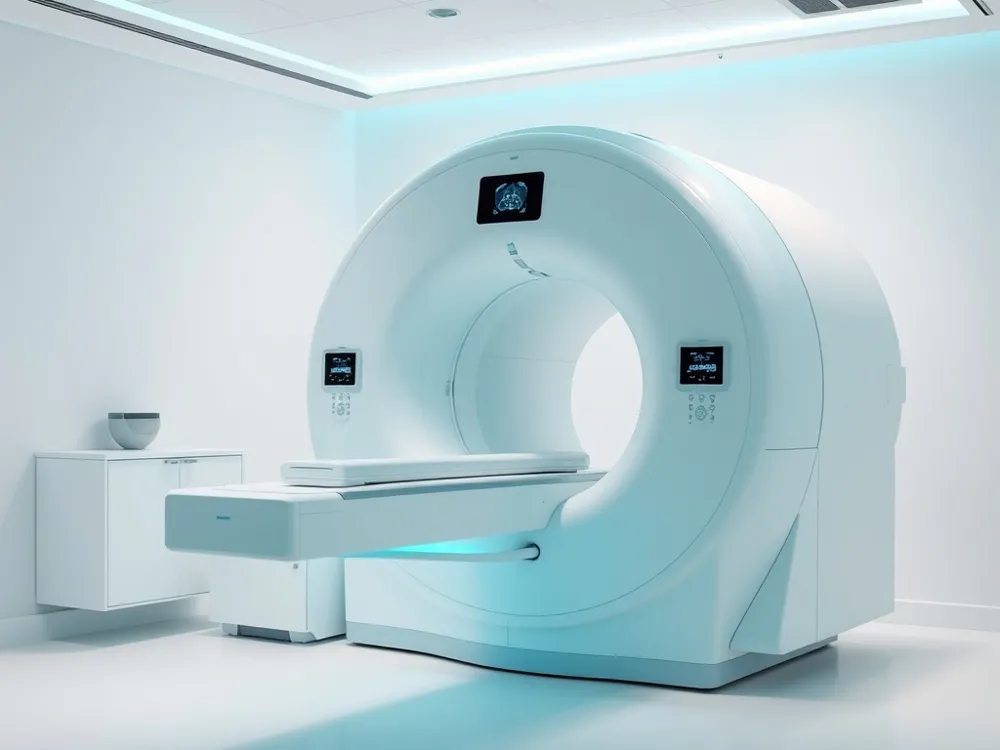
How do 3D isotropic sequences improve spinal imaging?
Advanced MRI techniques now offer remarkable clarity. 3D isotropic sequences use isotropic voxels (equal in all dimensions) to generate high-resolution images of spinal anatomy. This improves the visualization of structures like the spinal cord, nerve roots, and cerebrospinal fluid flow. The CISS sequence (FIESTA-C) minimizes banding artifacts, further enhancing image quality for clinical use.
What are the benefits of synthetic MRI?
Synthetic MRI generates multiple contrast views—such as T1, T2, and STIR—from a single acquisition. This can reduce scan time while providing comprehensive diagnostic information for conditions like degenerative disc disease or spinal stenosis.
How does deep learning reconstruction sharpen image quality?
Deep learning reconstruction leverages neural networks to learn relationships between raw MRI data and high-quality images. This technique improves visualization of herniated discs, spinal stenosis, tumors, and infections, offering sharper detail. While currently investigational, it represents a significant step forward in non-invasive spinal diagnosis. These advanced methods help precisely identify pain generators, enabling more targeted treatment plans.
| Imaging Technique | Key Feature | Clinical Benefit | Example Application |
|---|---|---|---|
| 3D Isotropic MRI | High-resolution isotropic voxels | Improved anatomical detail | Visualizing spinal cord and nerve roots |
| Synthetic MRI | Multiple contrast views from one scan | Reduced scan time | Evaluating degenerative disc disease |
| Deep-Learning Reconstruction | Neural network enhancement | Sharper detail of pathology | Detecting spinal stenosis and tumors |
2. Closed‑Loop Spinal Cord Stimulation with ECAP Sensing
How Does ECAP Sensing Make Spinal Cord Stimulation Smarter?
Spinal cord stimulation (SCS) has seen a significant advancement with the introduction of evoked compound action potential (ECAP sensing). This technology, featured in the newest generation of devices over the last 3-5 years, allows the stimulator to actively sense the spinal cord's response to the electrical impulses it delivers. According to pain medicine physician Dr. Trishul Kapoor, this closed‑loop feedback system enables the device to automatically adjust signals in real-time. This prevents the common problem of adaptive tolerance, where the nervous system becomes accustomed to a fixed stimulation level, maintaining consistent and effective pain relief without the patient needing constant manual reprogramming.
What Expanded Conditions Can Modern SCS Treat?
The indications for SCS have expanded well beyond the traditional use for failed back surgery syndrome (now known as persistent spinal pain syndrome). Today, this therapy is applied to non-surgical back pain, diabetic peripheral neuropathy, peripheral arterial disease, headaches, cervical migraines, radiculopathy, and spinal stenosis. Patients and physicians can also benefit from the fact that most modern spinal cord stimulators are MRI‑compatible or have conditional approval. This is a critical feature, as it ensures patients can still undergo necessary diagnostic imaging without risking damage to the device or compromising their health. These developments make SCS a more versatile and patient-friendly option for chronic neck and back pain.
| Therapy Aspect | ECAP‑Based SCS | Traditional SCS |
|---|---|---|
| Mechanism | Closed‑loop, senses neural response | Open‑loop, fixed stimulation |
| Key Benefit | Prevents tolerance, maintains efficacy | May lose effectiveness over time |
| MRI Compatibility | Yes, most devices are MRI‑conditional | Limited or conditional |
| Indications | Expanded: non‑surgical pain, neuropathy, headaches | Primarily failed back surgery syndrome |
3. Next‑Generation Radiofrequency Ablation (Cooled & Basivertebral)
Standard radiofrequency ablation (RFA) uses heat to disable nerves responsible for pain signaling, providing relief for conditions like facet joint disease. Next-generation approaches have expanded the reach of this therapy.
How Does Cooled Radiofrequency Ablation Improve Targeting?
Cooled radiofrequency ablation creates a spherical lesion beyond the needle tip. This allows for easier and more predictable targeting of affected nerve structures, such as the medial branch nerves for facet joint pain, making the procedure more effective for complex spinal anatomy.
What is Basivertebral Nerve Ablation?
Basivertebral nerve ablation is a specialized RFA technique that targets the basivertebral nerve within the vertebral body. This procedure is designed to treat vertebrogenic pain, a type of chronic back pain originating from the vertebral endplates, offering relief when the bone itself is the primary pain source.
Where Else is RFA Used?
The application of RFA has expanded beyond facet joints. It is now used to relieve pain from spinal metastases (cancer spread to bone) and, in some practices, for discogenic pain. This versatility makes RFA a valuable tool for patients who have not responded to more conservative measures.
4. Regenerative Medicine: PRP and Stem‑Cell Therapies

How do platelet‑rich plasma injections regenerate spinal tissues?
Platelet‑rich plasma (PRP) therapy uses a concentrated solution of a patient’s own platelets and growth factors, injected into painful neck or back areas. This drug‑free treatment reduces inflammation and stimulates natural healing, making it especially useful for injury‑ or arthritis‑related neck pain. At the California Pain Institute, PRP is applied to discogenic and cervical facet pain, targeting the root cause of pain by stimulating tissue repair rather than masking symptoms.
What evidence supports mesenchymal stem‑cell injections and topical creams?
Mesenchymal stem‑cell (MSC) injections offer a minimally invasive approach for degenerative disc disease. In a trial by Centeno et al., 33 patients with chronic back pain reported a 60% mean pain improvement at three years, with reduced disc bulge on MRI. A four‑week study of a topical cream infused with MSC‑derived biomolecules showed a 51% decrease in reported pain levels (p < 0.0001) with no adverse reactions, underscoring a safe, noninvasive alternative.
How do novel injectable gels complement regenerative therapies?
Researchers at the Michael J. Crescenz VA Medical Center developed an injectable hyaluronic‑acid granular hydrogel that provides cushioning to degenerated discs. In animal studies, it prevented loss of disc height and maintained structural integrity. This gel appears opaque on X‑ray, allowing easy monitoring, and it self‑repairs after friction, addressing limitations of earlier disc‑replacement materials.
| Therapy | Application | Key Evidence |
|---|---|---|
| PRP injections | Disc and facet joint regeneration | Reduces inflammation, stimulates healing in cervical and lumbar areas |
| MSC injections | Degenerative disc disease | 60% pain improvement at 3 years; improved disc hydration on MRI |
| MSC‑derived topical cream | Lumbar osteoarthritis | 51% pain reduction over 4 weeks; safe, noninvasive |
| Injectable hydrogel | Cushioning degenerated discs | Maintained disc height in animal studies; X‑ray visible |
5. Wearable Tech and AI‑Driven Physical Therapy
How do smart back braces and AI change physical therapy for neck and back pain?
Wearable technology is making significant strides in spine care. Smart back braces now contain tiny accelerometers and gyroscopes that monitor your posture throughout the day. These sensors deliver real-time alerts, such as a gentle vibration, when you slouch or hold your neck forward for too long. This immediate feedback helps retrain muscle memory and prevent the strain that leads to chronic pain.
AI-powered physical therapy takes personalization further. These systems create custom exercise programs based on your pain levels and mobility data. A virtual therapist can adjust the difficulty of your stretches and strengthening moves in real time, ensuring you are always working at the right level. This provides more precise care than a generic handout.
These wearable devices and therapy apps integrate smoothly with tele-monitoring platforms. Your care team can see your activity levels, posture trends, and pain logs between visits. This continuous data stream allows them to fine-tune your treatment plan without needing an in-person appointment, making effective care more accessible and convenient. While the accuracy of some posture sensors is not perfect, this field is advancing rapidly toward more reliable home-based rehabilitation.
6. Non‑Surgical Motorized Spinal Decompression
Gentle traction that creates negative disc pressure
Non-surgical spinal decompression therapy uses a motorized table to apply a precise, computer-controlled stretching force to the spine. This gentle, intermittent traction creates negative pressure within the spinal discs. The goal is to retract herniated or bulging disc material, taking pressure off compressed nerves and the spinal cord.
FDA‑cleared protocol with 15‑30 minute sessions
The therapy is FDA-cleared and typically delivered in sessions lasting 15 to 30 minutes. Patients remain fully clothed and lie on a specialized table while the system applies and releases traction forces in a programmed pattern. Most treatment plans involve a series of sessions over several weeks to achieve lasting results.
Benefits for herniated discs, degenerative disease, sciatica, and spinal stenosis
This non-invasive approach offers a drug-free alternative for several spinal conditions. By creating space between vertebrae, it can help with herniated and bulging discs, degenerative disc disease, sciatica, and spinal stenosis. The treatment enhances blood flow and oxygen to the affected area, promoting natural healing and providing long-term pain relief without surgery or downtime.
What Is Holistic Pain Management?
What is holistic pain management?
Holistic pain management is an approach that treats the whole person—mind, body, and lifestyle—rather than focusing solely on the pain itself. It recognizes that chronic pain is complex, involving emotional tolerance, past trauma, and emotional experiences. Therefore, effective treatment requires a multidisciplinary approach including neurology, psychiatry, physical medicine, and rehabilitation.
How are conventional and complementary therapies integrated?
This approach integrates conventional medical treatments with complementary therapies such as acupuncture, mindfulness-based stress reduction (MBSR), cognitive behavioral therapy (CBT), and chiropractic care. A multidisciplinary team—including spine surgeons, pain specialists, rehabilitation therapists, and holistic practitioners—addresses complex patient needs, emphasizing holistic wellness and functional recovery. This combination helps patients gain conscious control over their nervous system’s response to activity, lowering perceived pain intensity.
What roles do regenerative treatments and lifestyle support play?
Regenerative treatments like platelet-rich plasma (PRP) therapy and stem cell therapy are central to this model. PRP uses the patient’s own concentrated platelets to repair damaged tissue and reduce inflammation, while stem cell therapy aims to regenerate degenerated spinal discs. Lifestyle support is equally important, encompassing dietary modifications to reduce systemic inflammation, personalized exercise programs, and ergonomic adjustments. This comprehensive approach seeks to empower patients through personalized, patient-centered care that reduces suffering and enhances well-being. Compared to traditional approaches, holistic care offers a lower risk of harm and addresses root causes rather than just symptoms. | Aspect | Conventional Approach | Holistic Approach | | --- | --- | --- | | Focus | Symptom relief | Whole person (mind, body, lifestyle) | | Treatments | Medications, injections, surgery | Integrates conventional with complementary therapies | | Goals | Mask pain | Restore function, address root causes, empower patient | | Team | Often single specialist | Multidisciplinary team (surgeons, pain specialists, therapists, holistic practitioners) | | Risk Profile | Higher risk with opioids and invasive procedures | Lower risk of harm, prioritizes non-pharmacologic options |
Fast Relief Strategies for Back Pain
How can I relieve back pain fast?
For immediate relief, start with ice. Apply an ice pack to the painful area for 15–20 minutes every 2–3 hours during the first 48–72 hours to reduce inflammation and numb the pain. After the initial period, switch to a heating pad or warm compress for 15–20 minutes to relax tight muscles and improve blood flow.
Over-the-counter NSAIDs like ibuprofen or naproxen can quickly reduce pain and swelling when taken as directed. For gentle movement, try knee-to-chest stretches or child’s pose, holding each for 5–10 seconds without bouncing. Avoid prolonged bed rest; instead, take short, slow walks to promote healing and prevent stiffness.
Sleep in a fetal position with a pillow between your knees to relieve pressure on your lower back. If pain persists beyond a few weeks or radiates down your leg, consult a pain specialist.
Managing Severe Lower Back Pain at Home
How can I relieve severe lower back pain at home?
For immediate relief from severe lower back pain, alternate ice and heat packs. Apply an ice pack for 15–20 minutes to reduce inflammation, then switch to a heat pack for another 15–20 minutes to relax tight muscles. This simple cycle can be repeated several times a day.
Gentle, low-impact movement is also beneficial. Short walks or light stretching help maintain mobility without straining the spine. Over-the-counter anti-inflammatory medications, such as ibuprofen, can offer temporary pain relief. It is important to avoid prolonged bed rest, as gentle activity often speeds recovery.
When to seek professional care
If your pain persists beyond a few days, worsens, or radiates down your leg, consult a pain specialist for a thorough evaluation. Professional care is also needed if you experience numbness, tingling, or weakness, or if the pain follows an injury.
Top Natural Remedies for Back Pain and Inflammation
What are the most effective natural remedies for back pain and inflammation?
Heat therapy helps relax tight back muscles and improve blood flow, while ice packs reduce acute swelling and numb sharp pain—apply whichever feels best for 15–20 minutes at a time.
Herbal anti‑inflammatories like turmeric (curcumin) and ginger contain compounds that can ease musculoskeletal pain. They are available as supplements, teas, or cooking spices, but it is wise to check with a doctor before starting any new supplement.
Mind‑body practices offer real relief. Meditation lowers stress and muscle tension, and tai chi combines gentle movement with deep breathing, improving flexibility and posture. Both can reduce perceived pain intensity without side effects.
| Remedy | Mechanism | How to Use |
|---|---|---|
| Heat therapy | Relaxes tight muscles, increases circulation | Heating pad or warm bath for 15–20 min |
| Ice therapy | Reduces acute swelling and inflammation | Ice pack wrapped in cloth, 15–20 min |
| Turmeric | Curcumin blocks inflammatory pathways | Capsules (500–1000 mg daily) or tea |
| Ginger | Gingerols reduce pain and stiffness | Fresh ginger in meals, tea, or supplements |
| Meditation | Lowers stress and muscle tension | 10 min daily guided session or app |
| Tai chi | Improves posture, flexibility, and balance | 20–30 min classes or home video |
These approaches can also lower the risk of progressing to chronic pain. For persistent or worsening symptoms, consult a pain specialist to build a personalized plan.
Preparing for a Pain Flare‑Up
How can I plan for a flare‑up of chronic pain?
Planning for a pain flare‑up begins with a personalized action plan. This plan should include strategies for increasing relaxation and mindfulness activities, prioritizing daily tasks, and maintaining some physical activity. It is important to keep moving—complete rest can worsen pain. An activity diary helps track your day and identify triggers, such as periods of overactivity or heightened stress.
Pacing is a critical element of preparation. By taking breaks before pain escalates, you can manage your energy levels and reduce the risk of a severe flare‑up. Managing stress through breathing exercises and relaxation techniques is also essential, as stress can amplify pain and make flare‑ups more intense. Addressing sleep problems is equally important, as poor sleep increases pain sensitivity.
Effective communication is another key part of your plan. Discuss potential medication adjustments with your doctor in advance so you have a clear protocol to follow. Clearly communicating your needs to family and friends can also reduce stress. Remember that flare‑ups are a normal part of chronic pain, and a prepared, multi‑pronged plan can help you cope and reduce feelings of helplessness. Arming yourself with these strategies provides a sense of control and a practical roadmap for managing difficult episodes. | Strategy | Purpose | Key Action | |---|---|---| | Activity Diary | Identify triggers and patterns | Track daily activities and pain levels | | Pacing | Manage energy and prevent escalation | Take breaks before pain becomes severe | | Stress Reduction | Lower pain sensitivity | Practice breathing and relaxation exercises | | Sleep Management | Reduce pain amplification | Address issues like poor sleep hygiene | | Communication | Ensure support and preparedness | Discuss medication plans and needs with others |
Understanding Lower Back Pain in Women
What causes lower back pain in women and how is it treated?
Lower back pain in women can stem from both gender‑specific and general musculoskeletal causes. Menstruation, pregnancy, and conditions like endometriosis can trigger or worsen pain due to hormonal shifts, increased abdominal pressure, or the growth of uterine tissue. Common musculoskeletal origins include muscle or ligament strains, arthritis, bulging or herniated discs, and poor posture, often from prolonged sitting or lifting incorrectly.
Treatment typically starts with rest, over‑the‑counter anti‑inflammatory medications such as ibuprofen, and gentle exercises like knee‑to‑chest stretches or pelvic tilts to strengthen and stretch the lower back. Physical therapy, lifestyle modifications—including weight management and improved ergonomics—and targeted medication can further help manage pain.
When symptoms persist or are accompanied by numbness, weakness, or bowel/bladder changes, it is essential to consult a specialist. A pain medicine physician can accurately diagnose the underlying cause and create a personalized treatment plan tailored to the woman’s specific needs.
Best Non‑Surgical Options for Neck Pain
What is the best non‑surgical treatment for neck pain?
The best non-surgical treatment for neck pain is rarely a single modality but a comprehensive, multimodal plan tailored to the underlying cause. A pain management specialist will first perform a thorough evaluation, including physical exams and imaging, to determine if the pain originates from muscles, joints, or nerves. This targeted approach ensures the most effective combination of therapies is selected.
Physical therapy and posture work
Physical therapy is often the first-line non-surgical treatment. It strengthens neck and shoulder muscles, improves flexibility, and corrects posture. Therapists use targeted exercises, manual therapy (like massage and joint mobilization), and retrain proprioception. Ergonomic adjustments, such as positioning a monitor at eye level and taking frequent breaks, are also critical to prevent muscle tension and misalignment.
Medication adjuncts
Short-term relief can be provided by nonsteroidal anti-inflammatory drugs (NSAIDs) to reduce inflammation or muscle relaxants for acute spasms. These are typically used to help a patient engage more fully in physical therapy. The goal is to limit reliance on medication, especially opioids, which are reserved only after other options have failed.
Interventional procedures (steroid injections, RF ablation)
When pain is more persistent, targeted interventional procedures are considered. Fluoroscopy-guided epidural steroid injections deliver anesthetic and anti-inflammatory steroids to irritated nerve roots, providing relief that can last months. Radiofrequency ablation (RFA) uses heat to temporarily disable the medial branch nerves causing facet joint pain, offering relief for several months to a year. These procedures serve both diagnostic and therapeutic purposes.
Complementary modalities (chiropractic, acupuncture, TENS)
Complementary therapies are often integrated for a holistic approach. Chiropractic spinal adjustments can alleviate joint restrictions, while acupuncture helps reduce pain signals and inflammation. Transcutaneous electrical nerve stimulation (TENS) delivers low-level electrical impulses to block pain messages. These low-risk options are combined with other treatments to address the emotional and cognitive dimensions of chronic pain, reduce opioid reliance, and support long-term function.
Finding a Pain Management Doctor in Los Angeles
How do I find a pain management doctor in Los Angeles?
Look for a board‑certified pain medicine physician who leads a multidisciplinary team. These specialists coordinate with physical therapists, mental health professionals, and other providers to address the full complexity of chronic pain, which involves emotional tolerance and past trauma alongside physical symptoms.
Local clinics such as the California Pain Institute (led by double board‑certified Dr. Zach Cohen with locations in San Diego, La Mesa, and Chula Vista) and the California Pain Medicine Center (founded by Dr. Joshua P. Prager, affiliated with Harvard and Stanford) offer comprehensive care. Both practices emphasize non‑surgical, evidence‑based treatments including spinal cord stimulation, platelet‑rich plasma injections, radiofrequency ablation, and telehealth consultations.
When selecting a specialist, ask about the range of advanced therapies offered. Reputable clinics provide interventional procedures such as epidural steroid injections, nerve blocks, and regenerative medicine options, as well as integrated digital health solutions like secure telemedicine for follow‑up care. A thorough evaluation—including advanced imaging and diagnostic studies—ensures your treatment plan targets the specific source of your neck or back pain.
Start by consulting your primary care physician for referrals or searching hospital‑affiliated networks like Torrance Memorial Physician Network. With the right specialist, you can access a personalized, multimodal approach that prioritizes functional recovery and long‑term relief without relying on opioids.
What’s New for Back Pain in 2024?
How is Neuromodulation Evolving for Back Pain?
Non-invasive neuromodulation is a leading edge in back pain care. Advanced transcutaneous electrical nerve stimulation (TENS) devices now precisely target specific nerve pathways to alter pain signals. Pulsed electromagnetic field therapy (PEMF also falls under this umbrella, using energy fields to reduce inflammation and pain without medication. These therapies offer a drug-free and low-risk option for managing acute and chronic conditions.
What Role Does Regenerative Medicine Play?
Regenerative medicine continues to gain traction as a root-cause treatment. Platelet-rich plasma (PRP) injections use a patient's own concentrated platelets to stimulate tissue repair in damaged discs and joints. Stem cell therapy, often derived from mesenchymal sources, aims to regenerate degenerated disc tissue and reduce inflammation at the source. These biologic treatments provide an alternative to surgery for many with chronic pain.
Can AI Really Improve Physical Therapy?
Yes, artificial intelligence is transforming physical therapy. AI-driven platforms create personalized exercise programs that adapt in real-time based on a patient’s reported pain levels and progress. When paired with wearable devices that offer feedback, patients receive precise guidance on form and intensity, making home rehabilitation more effective and accessible. This technology helps ensure that therapy is both consistent and correctly performed.
What Is the Latest in Smart Wearables?
Smart wearables have moved beyond simple activity tracking. Innovative smart back braces now incorporate sensors to monitor posture and movement, providing real-time alerts or gentle electrical stimulation to correct positioning. Combined with pain-tracking apps, these devices empower patients to manage their condition proactively, offering data that helps clinicians fine-tune treatment plans. This represents a major step toward personalized, in-home care.
Summary of Key Innovations for 2024
| Therapy | Modality | Primary Benefit |
|---|---|---|
| Non‑Invasive Neuromodulation | Advanced TENS, PEMF | Targets nerve pathways, reduces inflammation |
| Regenerative Medicine | PRP, Stem‑Cell Therapy | Repairs damaged tissue, reduces need for surgery |
| AI‑Driven Physical Therapy | Personalized programs, real‑time feedback | Optimizes rehabilitation, improves adherence |
| Smart Wearables | Posture braces, tracking apps | Enables proactive management, real‑time correction |
In 2024, these innovative approaches are shifting back pain treatment toward personalized, non-surgical, and technology-driven solutions that address the underlying causes while minimizing downtime and opioid reliance.
Looking Ahead – A Pain‑Free Future Is Within Reach
Continued Innovation in Imaging, Neuromodulation, and Biologics
The landscape of neck and back pain care is being reshaped by rapid advances across several fronts. In imaging, techniques like synthetic MRI and zero echo time sequences now provide detailed views of bone, ligaments, and nerves, improving diagnostic accuracy. Neuromodulation is seeing sophisticated closed-loop spinal cord stimulators that use evoked compound action potential (ECAP) sensing to adjust therapy in real-time, maintaining long-term efficacy. Simultaneously, regenerative biologics—from stem cell creams to injectable hyaluronic acid hydrogels—are offering new ways to repair damaged discs and reduce inflammation at the source.
The Importance of Multidisciplinary, Patient‑Centered Care
Pain is a complex experience shaped by biological, psychological, and social factors. Effective treatment, therefore, relies on a multidisciplinary team that may include pain specialists, physical therapists, psychologists, and rehabilitation experts. This comprehensive approach, integrating therapies like cognitive behavioral therapy, tailored exercise, and lifestyle modifications, ensures that care addresses the whole person—not just the symptom.
Encouragement to Explore Breakthrough Options with a Qualified Specialist
These innovations are transforming what is possible for patients who have not found relief with conventional treatments. A consultation with a board-certified pain specialist can help determine which emerging therapies—such as spinal cord stimulation, radiofrequency ablation, or biologic injections—are appropriate for your specific condition. Taking that first step allows you to explore personalized, non-surgical paths toward lasting relief and restored quality of life.
| Innovation Area | Example Technologies | Key Benefit |
|---|---|---|
| Imaging | Synthetic MRI, zero echo time | Sharper anatomy visualization |
| Neuromodulation | ECAP-sensing spinal cord stimulators | Real‑time, personalized pain control |
| Biologics | Stem cell creams, injectable hydrogels | Repairs tissue, reduces inflammation |
| Multidisciplinary Care | Team‑based therapy, CBT, exercise | Treats whole person, improves outcomes |