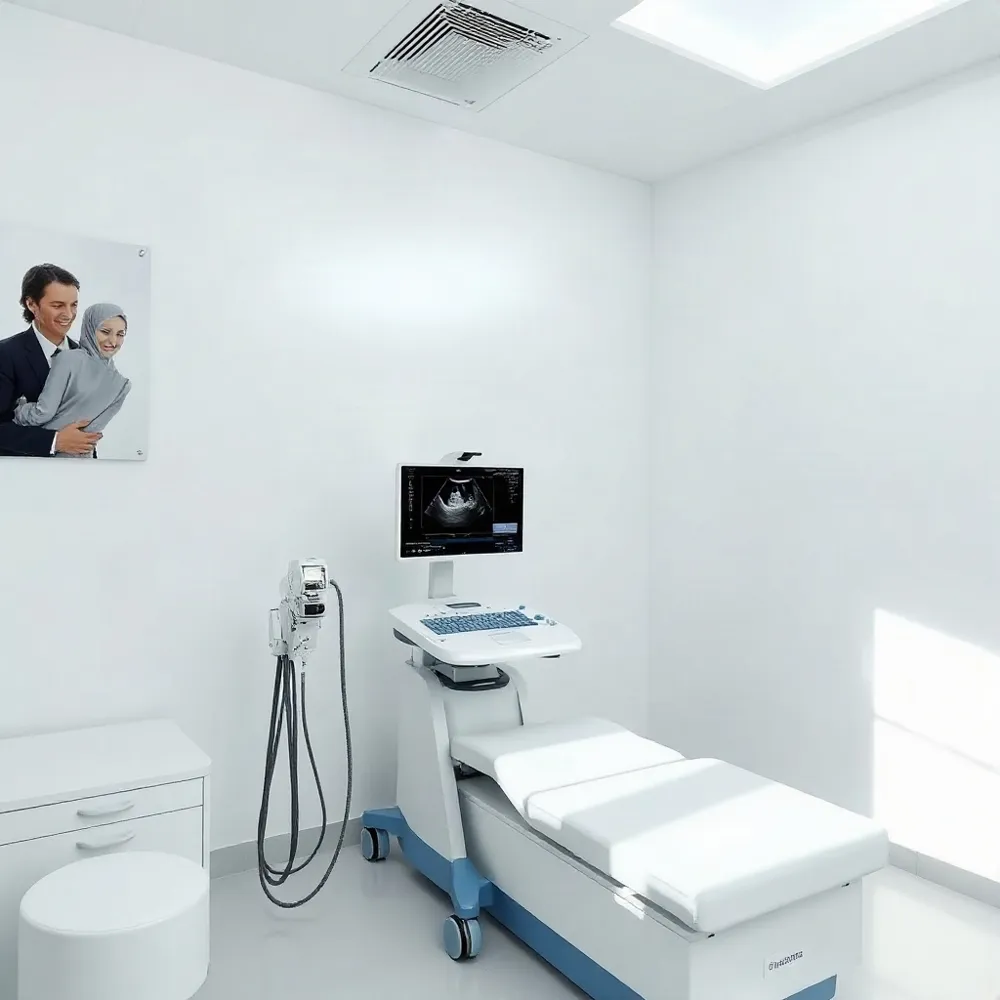
Can Medicare Help Cover Pain Care?
Yes. Medicare Part B covers many pain-management services, including chronic pain assessment, medication management, and care coordination, though coverage depends on the service and circumstances. Medicare’s chronic pain coverage can help eligible beneficiaries manage long-term pain.
Persistent pain is real, and seeking a specialist is a reasonable step when it affects daily life. California Pain Institute accepts Medicare and several major commercial plans, but confirm that your specific plan and proposed service are covered.
Dr. Rebecca Kerr is dual board-certified in Pain Medicine and Anesthesiology, UCLA-trained, and has practiced pain management exclusively for more than 25 years. She leads care that includes patient education and treatment planning.
The practice serves patients from Torrance in the South Bay and Los Angeles near LAX. Learn about Dr. Kerr and back pain care, or request an appointment with Dr. Kerr. Call Torrance at (310) 504-0632 or Los Angeles at (310) 642-7900.
What Does Medicare Cover for Pain Care?
 Medicare Part B covers chronic pain management and treatment services for eligible beneficiaries. Medicare defines chronic pain for this coverage as persistent or recurring pain lasting longer than three months, and covered services may include pain assessment, medication management, and care coordination and planning (Medicare’s chronic pain coverage).
Medicare also lists physical and occupational therapy, behavioral health integration, depression screening, and acupuncture for chronic low-back pain as pain-related services (Medicare’s pain management coverage). A service on the list is not automatically covered in every situation. For example, Medicare.gov identifies massage therapy as a service that may not be covered, so ask whether a proposed service is covered and why it is recommended.
What symptoms or conditions may lead someone to seek pain management care?
Persistent or moderate-to-severe pain that interferes with sleep, movement, work, or daily activities may warrant an evaluation. This can include back pain, neck pain, sciatica, neuropathy, fibromyalgia, arthritis, or headaches and migraines. Pain is real even when its cause is not clear.
Dr. Rebecca Kerr, dual board-certified in Pain Medicine and Anesthesiology, is UCLA-trained and has practiced pain management exclusively for more than 25 years. She explains diagnoses and treatment options, including image-guided injections and medication management that favors non-opiate, non-addicting medicines when appropriate. Learn more about Dr. Kerr.
Sudden weakness, loss of bladder or bowel control, or fever with back pain needs urgent medical assessment, not a routine appointment. For non-emergency concerns, request an appointment.
What Could I Pay Out of Pocket?
Costs depend on your Medicare coverage and the care recommended. For most covered pain-management visits to diagnose or treat a condition, Medicare says you generally pay 20% of the Medicare-approved amount after the Part B deductible applies. This is general guidance, not a quote for a visit at a particular clinic. Medicare’s pain-management coverage guidance explains the rules.
Hospital outpatient care may involve an additional copayment or coinsurance. A yearly depression screening costs you nothing when the provider accepts assignment, meaning the provider agrees to accept the Medicare-approved amount as full payment.
Your actual costs can vary with other insurance, the provider’s charges and assignment status, the type of facility, and where you receive care. If Medicare does not cover a recommended service, or covers it less often than it is recommended, you may owe some or all of the cost.
Before proceeding, ask the clinic and your insurer whether the proposed service is covered and what you may owe. California Pain Institute accepts Medicare, but coverage for a particular service depends on your circumstances and plan.
Medicare Part D may cover prescription pain medicines. Some Part D plans also offer medication-management or drug-management programs; check your plan’s formulary and rules for details. Medicare’s provider-search tool can help you find providers who take Medicare, but confirm separately that the proposed service and your plan requirements are covered.
Why Might My Doctor Refer Me?
 A doctor may refer you to a pain management specialist when back pain or other pain is ongoing, severe, hard to diagnose, or not adequately helped by initial treatment. A referral can allow a closer assessment and discussion of options suited to your health and goals. It does not mean your pain is not real or that your doctor has given up.
Why might my doctor refer me to a pain management specialist?
A specialist can review your symptoms, prior care, and how pain affects daily life, then explain possible next steps. At California Pain Institute, Dr. Rebecca Kerr is dual board-certified in Pain Medicine and Anesthesiology, UCLA-trained, and has practiced pain management exclusively for more than 25 years. Learn more about Dr. Kerr.
Care may include medication management, ultrasound-guided (using sound waves to see the area) or X-ray-guided (using imaging to guide the needle) spinal, nerve, joint, soft-tissue, or trigger point injections, and X-ray-guided epidural steroid injections. Dr. Kerr explains the diagnosis and prognosis, considers non-opiate, non-addicting medicines when appropriate, and coordinates with other specialists and physical or behavioral health providers.
The practice has offices in Torrance, serving the South Bay, and in Los Angeles near LAX. Your clinician can discuss which options fit your needs; no treatment can guarantee a particular result.
Frequently Asked Questions
What happens during a pain management consultation?
Dr. Kerr will review your medical history, discuss your pain and goals, and explain possible treatment options. The visit is a chance to ask questions and decide if the practice is right for you.
How do you decide which treatment is right for me?
Treatment recommendations are based on your specific condition, medical history, and preferences. Dr. Kerr considers non-opiate, non-addicting medications first and may suggest image-guided injections or other therapies.
Do I need a referral from my doctor?
You can schedule an appointment directly. A referral is not required.
What if I am already taking medication for pain?
Bring a list of your current medications to your appointment. Dr. Kerr will review them with you and discuss any changes with your prescribing physician. Do not stop or change your medication without talking to your doctor.
How do I prepare for my first appointment?
Bring a list of your medications and any relevant medical records. Wear comfortable clothing. Arrive a few minutes early to complete paperwork.
Can you work with my current healthcare team?
Yes. Dr. Kerr coordinates care with your primary care doctor, physical therapists, and other specialists to ensure a comprehensive approach.
Request an appointment with Dr. Kerr by calling Torrance (310) 504-0632 or Los Angeles (310) 642-7900, or use our online form: Request an appointment.
How Should I Discuss Medication Options?
 Yes. A pain management doctor may prescribe or manage medication when it fits your diagnosis, health history, and goals. Medication is one part of care, alongside other treatments and support.
Can a pain management doctor prescribe medication?
A specialist can review what you take, how it affects you, and whether another approach may better fit your needs. California Pain Institute’s medication and pain care is considered within a broader treatment plan.
Dr. Rebecca Kerr, dual board-certified in Pain Medicine and Anesthesiology and UCLA-trained, has practiced pain management exclusively for more than 25 years. When appropriate, she prioritizes non-opiate, non-addicting medicines. Opioids may be appropriate for some people, and decisions should be individualized and made without judgment.
What is the safest medication for long-term pain?
There is no single safest choice for everyone. The cause of pain, your health, other medicines, and possible side effects all matter. Discuss benefits and risks with your physician, and never start, stop, or change medication without speaking with them.
How should I talk about opioid medication?
Share how pain affects daily life, treatments and medicines you have tried, and your concerns and goals. If opioids are considered, ask about possible benefits and risks and how your care will be reviewed. The CDC’s 2022 opioid prescribing guideline supports individualized decisions and discussion between patients and clinicians.
Learn more about Dr. Kerr, or request an appointment with Dr. Kerr. Call Torrance at (310) 504-0632 or Los Angeles at (310) 642-7900.
What Should I Ask Before Scheduling?
Before you schedule, confirm that the practice accepts your specific Medicare or commercial plan, whether the proposed service is covered, and whether you need a referral or authorization. Ask what you may owe and whether the care setting affects coverage. Medicare’s pain-care coverage depends on the service and your circumstances, so verify details with both your insurer and the practice.
California Pain Institute accepts Medicare and plans including Blue Cross Blue Shield, Anthem Blue Cross, Aetna, Cigna, and UnitedHealthcare, but your individual benefits and the proposed service still need to be confirmed. Dr. Rebecca Kerr, who is dual board-certified in Pain Medicine and Anesthesiology, UCLA-trained, and has practiced pain management exclusively for more than 25 years, leads the practice. Learn about Dr. Kerr.
- Does Medicare cover chronic pain management? Part B covers eligible chronic pain management services, subject to Medicare rules.
- Are all recommended treatments covered? No. Coverage depends on the service and circumstances; ask before proceeding.
- Can Part D cover pain medicines? It may cover prescription medicines, depending on your plan.
- Should I confirm coverage before treatment? Yes. Check coverage, referral or authorization rules, and your expected costs with your plan and the practice.
Request an appointment with Dr. Kerr. Call Torrance at (310) 504-0632 or Los Angeles at (310) 642-7900.