Why Understanding Out‑of‑Pocket Expenses Matters
Chronic pain creates a hidden financial strain that can be as debilitating as the physical symptoms themselves. When patients face high out‑of‑pocket costs, they may delay or for essential therapies, opting for cheaper but less effective options, which can worsen pain and increase long‑term expenses. Transparent pricing empowers individuals to compare cash rates for office visits, injections, physical‑therapy sessions, and alternative modalities such as acupuncture or massage, helping them anticipate the true cost of a treatment plan. Tools like MDsave’s price‑checkers, deductible calculators, and clinic‑offered package discounts give patients a clearer picture of what they will owe after insurance or when paying entirely out‑of‑pocket. By understanding these financial dynamics, patients can make informed choices, negotiate financing or payment plans, and avoid unexpected bills, ultimately supporting better adherence to evidence‑based pain‑management strategies.
What You Pay When You’re Uninsured
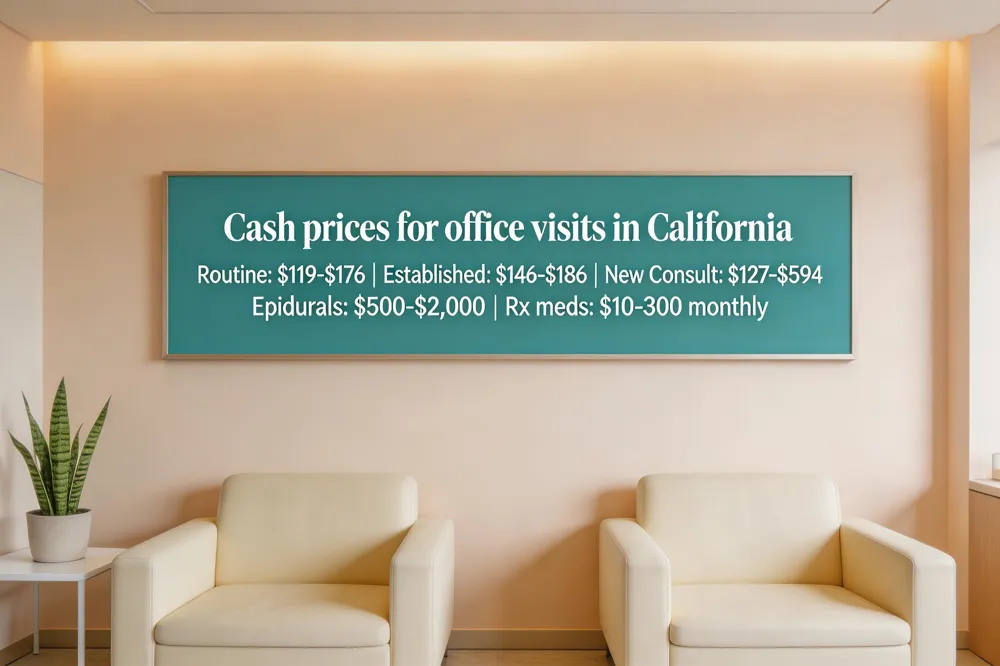 When you have no insurance, pain‑management costs are paid out‑of‑pocket and can vary widely. Typical cash prices for office visits in California range from $119–$176 for a routine visit, $146–$186 for an established‑patient visit, and $127–$594 for a new‑patient consult on MDsave. Procedure fees also differ: epidural steroid injections and nerve blocks usually cost $500‑$2,000 per session, while radio‑frequency ablation can run from $1,200‑$2,500 for the facility fee plus $300‑$800 for the professional component. Prescription pain drugs add $10‑$300 per month depending on brand, dosage, and formulation. Cost drivers include the clinic’s location, physician experience, severity of the condition, number of visits, diagnostic testing, and whether ancillary services such as imaging or physical therapy are required. Many clinics offer package discounts, financing, or payment‑plan options to help uninsured patients manage these expenses.
Insurance Coverage – What’s Included and What Isn’t
 When Medicare pain‑management services are deemed medically necessary, most U.S. health‑insurance plans cover them. Under the Affordable Care Act, essential health benefits include prescription drugs, chronic disease management, outpatient care and mental‑health services, which together fund many pain‑therapy options. Medicare Part B pays 80 % of the approved amount for outpatient services such as injections, physical therapy, acupuncture (up to 12 visits for low‑back pain) and chiropractic care after the $257 deductible, leaving a 20 % coinsurance. Medicare Part D covers prescription pain medications, though copays vary by tier. Medicaid coverage varies by state; core medications and interventional injections are universal, while therapies like acupuncture or CBT may be limited to certain states. Private plans must offer essential benefits, but cost‑sharing—deductibles, copays, coinsurance, and annual out‑of‑pocket maximums—differs widely. Patients should verify prior‑authorization requirements and in‑network status to reduce unexpected expenses.
Getting Your Pain Medications and Therapies
 When you need prescription pain medication, start by scheduling an appointment with a qualified pain‑medicine physician, such as those at the California Pain Institute. The doctor will review your medical history, pain characteristics, previous treatments, and any current drugs. After a thorough evaluation, they will prescribe the most appropriate medication—ranging from NSAIDs to opioids—while explaining benefits, risks, and safety guidelines. Non‑pharmacologic options (physical therapy, acupuncture, CBT, TENS) are often recommended and may be covered by Medicare Part B or private plans, though coverage can vary; many insurers limit visits or require prior authorization. Safe opioid use requires a treatment plan that includes regular follow‑ups, urine drug screens, and clear documentation of pain relief versus side effects. Patients must report any concerns promptly so the regimen can be adjusted. An out‑of‑pocket expense is any cost not reimbursed by insurance—deductibles, copays, coinsurance, and fees for non‑covered services—while premiums are excluded. Most insurance plans cover pain‑clinic services when deemed medically necessary, but coverage details differ by plan and may need pre‑authorization.
Local Options – Finding the Right Clinic Near You
 Pain‑management services in Torrance and the greater Los Angeles area are centered around multidisciplinary clinics that combine interventional procedures, medication management, and rehabilitative therapies. The California Pain Institute, located near Hawthorne Blvd and Torrance Blvd, offers easy on‑site parking, flexible Monday‑Friday hours, and same‑day appointments for urgent pain flares.
Pain management Torrance, CA – Board‑certified physicians perform epidural steroid injections, radiofrequency ablation, intrathecal pump placement, regenerative medicine, and spinal cord stimulation. Patients receive coordinated support from physical and occupational therapists, and behavioral health specialists, all under one roof. Call 310‑540‑9888 to schedule a consultation.
Pain management near me – For Los Angeles residents, the California Pain Institute provides a full spectrum of minimally invasive treatments, accepts most insurance plans, and offers online booking.
Can I go to pain management without insurance? – Yes. The clinic offers self‑pay rates, sliding‑scale discounts, and financing options such as CareCredit. Discuss pricing up front with billing staff to create a manageable payment plan.
Keyword‑search tips – Use phrases like “pain management clinic Los Angeles,” “Torrance pain specialist,” or “affordable pain therapy near me.” Adding “reviews 2024” helps locate recent patient feedback and compare costs.
Smart Strategies to Keep Out‑of‑Pocket Costs Manageable
 Price‑transparency tools such as MDsave and the CareCredit financing calculator let patients see cash‑price estimates for office visits, injections, imaging and other pain‑therapy services before stepping into the clinic. By entering their insurance deductible into the MDsave Deductible Checker, patients can gauge how much of the deductible remains and what portion of a service will be their responsibility, often discovering discounts of 20‑30 % versus traditional self‑pay rates.
Many clinics, including the California Pain Institute, offer package deals, cash‑discounts of 10‑30 % for multiple visits, and sliding‑scale fee programs for low‑income or uninsured individuals. Financing options range from CareCredit’s 0 % promotional interest on purchases of $200 or more to in‑clinic payment plans and bundled‑procedure pricing that spread costs over time.
To keep medication and therapy expenses in check, patients should: (1) use pharmacy discount cards or generic alternatives, (2) schedule physical‑therapy sessions in blocks to qualify for session‑cap limits, (3) track deductible progress with online checkers, and (4) explore HSAs or FSAs for tax‑free reimbursement of eligible services.
Key Takeaways for Managing Pain‑Therapy Expenses
Start by reviewing your insurance policy to know which pain‑management services are covered, the annual deductible, copay or coinsurance amounts, and the out‑of‑pocket maximum. Use price‑transparency tools such as MDsave, Sidecar Health, or the clinic’s deductible checker to compare cash‑price estimates for office visits, injections, physical‑therapy sessions and alternative therapies. Bring these estimates to your initial consultation and ask the pain‑management team to discuss expected charges, possible package discounts and any pre‑authorization requirements. If you lack coverage, ask the clinic about sliding‑scale fees, self‑pay discounts, financing options like CareCredit, or bundled‑payment plans that can spread costs over time for patients.