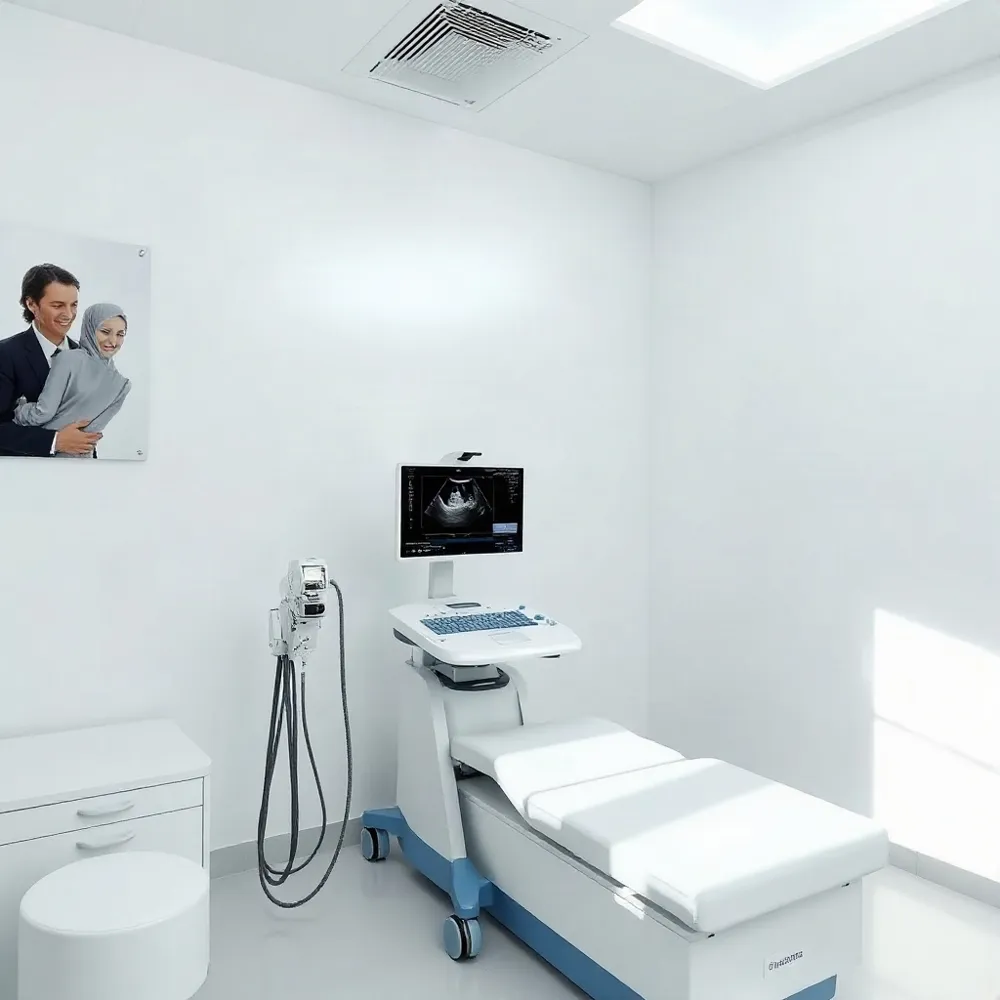
What Options Can Help With Chronic Pain?
Non-opioid care for chronic pain may include appropriate medicines, image-guided injections, physical therapy, and behavioral health support. The right mix depends on the likely cause of pain, your health history, and your goals, and no treatment can promise relief.
Chronic pain is real, and it can make movement, sleep, work, and daily routines harder. Care can focus on easing symptoms and supporting function, even when pain cannot be fully removed.
At California Pain Institute, Dr. Rebecca Kerr is dual board-certified in Pain Medicine and Anesthesiology, UCLA-trained, and has practiced pain management exclusively for more than 25 years. Her approach includes patient education and, when appropriate, non-opiate, non-addicting medicines and image-guided care.
How Is a Non-Opioid Plan Chosen?
 A non-opioid plan is chosen by looking at the person, not just a scan or diagnosis. For back pain, the assessment may include symptoms, medical history, past treatments, relevant imaging, and goals for daily life.
Imaging can offer useful information, but findings need to be considered alongside symptoms and function. A scan alone cannot explain how pain affects a person or determine which treatment will help.
Care may combine non-opioid medicines with movement-based treatment, behavioral support, or a targeted procedure. The CDC’s Recommendation 2 for subacute and chronic pain advises clinicians to consider suitable non-opioid options and weigh expected benefits and risks for each person. These treatments can have risks, too, and no option is right for everyone.
Dr. Rebecca Kerr is dual board-certified in Pain Medicine and Anesthesiology, UCLA-trained, and has practiced pain management exclusively for more than 25 years. Her approach emphasizes non-opiate, non-addicting medicines when appropriate, clear patient education, and coordination with other clinicians.
California Pain Institute offers medication management and image-guided injection services at its offices in Torrance (South Bay) and Los Angeles near LAX, with ultrasound or X-ray guidance when appropriate. Dr. Rebecca Kerr, dual board-certified in Pain Medicine and Anesthesiology, reviews the reasoning and options with patients as part of care. Learn more about Dr. Kerr or request an appointment.
Which Medicines May Be Considered?
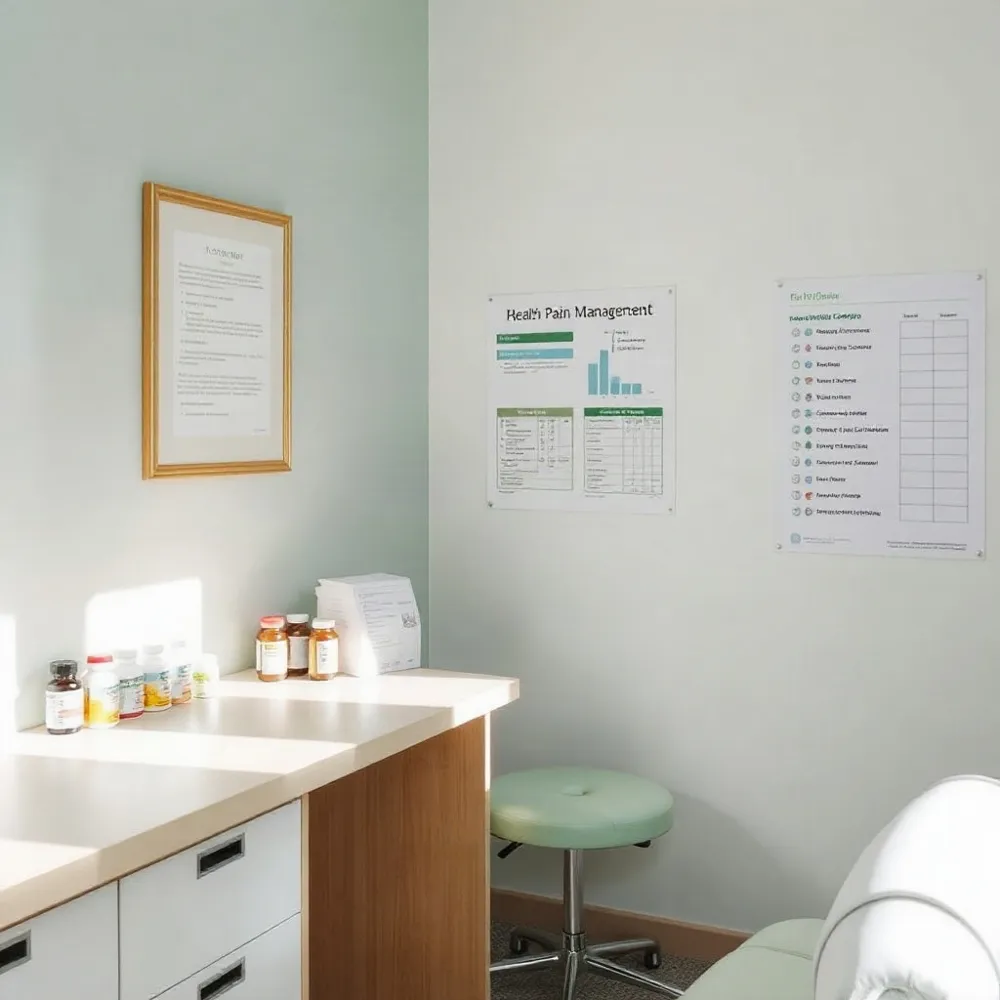 For back pain, a clinician may consider an anti-inflammatory medicine or another non-opioid option, depending on the suspected cause, your health conditions, and medicines you already take. No one medicine is right for everyone.
For neuropathy, certain antidepressants, including duloxetine or amitriptyline, and anti-seizure medicines, such as gabapentin or pregabalin, may be considered. These medicines can affect nerve pain even when prescribed for other reasons. For pain in a small area, a clinician may also consider a topical treatment, such as a lidocaine patch.
Non-opioid medicines can still cause side effects or interact with other treatments. The CDC’s guidance on nonopioid therapies notes that extra care may be needed for older adults, pregnant people, and people with conditions affecting the heart, kidneys, stomach, or liver.
These are examples to discuss with a physician, not personal treatment recommendations. Do not start, stop, or change a medicine without medical guidance. There is no single safest or strongest non-opioid medicine for everyone; a clinician weighs the diagnosis, health history, likely benefits, possible risks, and other medicines.
At California Pain Institute, medication management emphasizes non-opiate, non-addicting options when appropriate. Dr. Rebecca Kerr, dual board-certified in Pain Medicine and Anesthesiology and UCLA-trained, has practiced pain management exclusively for more than 25 years. She explains the diagnosis and discusses treatment choices with each patient.
Can Movement and Behavioral Care Help?
 Yes. Physical therapy, exercise, and guided activity may help build strength, support mobility, and make daily tasks more manageable. The right level and type of movement depend on your condition and comfort.
The CDC includes exercise, physical therapy, and behavioral approaches among options for subacute pain (pain that lasts for weeks to months) and chronic pain in its nonopioid pain management guidance. A clinician can help shape activity around your symptoms rather than asking you to push through worsening pain.
Cognitive behavioral therapy (CBT) is a non-drug approach that can help people notice pain-related thoughts and habits, develop coping skills, and work toward meaningful activities. Seeking behavioral support does not mean pain is imaginary. Pain is real, and emotional strain can be one part of living with it.
At California Pain Institute, Dr. Rebecca Kerr, a UCLA-trained physician dual board-certified in Pain Medicine and Anesthesiology, has practiced pain management exclusively for more than 25 years. When appropriate, she coordinates care with physical therapy and behavioral health clinicians; these services may be provided by other clinicians, not directly by the practice. Dr. Kerr sees patients at her offices in Torrance (South Bay) and Los Angeles near LAX.
For people with back pain, the plan may include movement suited to their diagnosis alongside medical care. Dr. Rebecca Kerr, who has practiced pain management exclusively for more than 25 years, emphasizes patient education so people can understand the purpose of each part of a plan and discuss what feels manageable.
When Might a Targeted Injection Be Discussed?
An image-guided injection may be discussed when an assessment suggests that a particular spinal, nerve, joint, soft-tissue, or trigger-point source is contributing to pain. Imaging helps the clinician guide the needle to the intended area.
At California Pain Institute, Dr. Rebecca Kerr, a UCLA-trained, dual board-certified physician in Pain Medicine and Anesthesiology with more than 25 years of pain-management experience, provides ultrasound- and X-ray-guided injections, including X-ray-guided epidural steroid injections. The aim is to target a suspected source or reduce irritation, not to repair every underlying condition or promise lasting relief.
Whether an injection fits depends on the diagnosis, symptoms, health history, and goals. Dr. Kerr discusses the possible benefits and risks and how an injection might fit with movement-based care or coordination with other clinicians. CDC guidance on nonopioid pain therapies supports choosing care according to individual needs and weighing benefits against risks.
Radiofrequency ablation or spinal cord stimulation may be options to ask about or discuss for referral if other care has not helped enough; they are not listed here as procedures California Pain Institute performs. For back pain, seek urgent medical evaluation for new loss of bladder or bowel control or sudden weakness.
Is Journavx Approved for Chronic Pain?
Journavx (suzetrigine) is a non-opioid medicine that blocks certain sodium channels involved in pain signaling. The FDA approved it for moderate-to-severe acute pain in adults, not for chronic back pain or nerve pain (FDA approval information).
Is Journavx approved for chronic pain?
That approval does not establish Journavx as a treatment for chronic pain. Whether any medicine is appropriate depends on the diagnosis, health history, and other medicines a person takes.
How can Dr. Rebecca Kerr help?
Dr. Rebecca Kerr, a UCLA-trained physician who is dual board-certified in Pain Medicine and Anesthesiology and has practiced pain management exclusively for more than 25 years, can review these factors with patients. At California Pain Institute, medication management emphasizes non-opiate, non-addicting options when appropriate, along with patient education and coordination with other clinicians.
What are my next steps?
For chronic back pain or nerve pain, ask a physician which options fit your circumstances rather than starting or changing a medicine on your own. Dr. Kerr sees patients in Torrance in the South Bay and in Los Angeles near LAX.
Frequently asked questions
What is Journavx? It is a non-opioid medicine that acts on sodium channels involved in pain signals.
Is Journavx approved for chronic pain? No. Its FDA approval is for moderate-to-severe acute pain in adults.
Can a physician help assess whether a medicine is suitable? Yes. A physician can consider the diagnosis, health history, and other medicines.
What should I do if I have chronic pain? Consult a physician who can review your diagnosis, health history, and current medications. Dr. Rebecca Kerr, dual board-certified in Pain Medicine and Anesthesiology with more than 25 years of experience, offers comprehensive evaluations.
How does Dr. Kerr approach pain management? Dr. Kerr emphasizes non-opiate, non-addicting medications, patient education, and coordination with other specialists. She sees patients in Torrance (South Bay) and Los Angeles near LAX.
Request an appointment with Dr. Kerr. Call Torrance at (310) 504-0632 or Los Angeles at (310) 642-7900.
How Can Care Avoid Relying on Opioids?
Chronic pain care can combine non-opioid medicines, physical therapy, image-guided injections, and referrals for behavioral health or other specialists. The right mix depends on the suspected cause of pain, your health history, and the goals you set with your clinician.
For subacute and chronic pain, the CDC prefers suitable non-opioid therapies. Opioids may still be considered when a clinician expects their benefits for pain and daily function to outweigh the risks for that individual, as described in the CDC’s pain-management guidance. People who take opioids should not be judged or urged to change treatment without medical advice.
If you take a prescribed opioid or another pain medicine, do not stop or change it without first speaking with the prescribing physician. Dr. Rebecca Kerr, dual board-certified in Pain Medicine and Anesthesiology and UCLA-trained, has practiced pain management exclusively for more than 25 years; her approach includes patient education, medication management, image-guided injections, and coordination with other clinicians.
New loss of bladder or bowel control or sudden limb weakness with back pain needs prompt emergency evaluation. Do not wait for a routine appointment.
Dr. Kerr sees patients in Torrance in the South Bay and in Los Angeles near LAX. Request an appointment with Dr. Kerr, or call Torrance at (310) 504-0632 or Los Angeles at (310) 642-7900.
What Should Readers Remember?
Chronic back pain and nerve pain are real, and care should reflect each person’s health, goals, and response to treatment. No option guarantees relief; progress may also mean moving, sleeping, or managing daily tasks more comfortably. CDC guidance favors suitable nonopioid therapies for chronic pain, while recognizing that treatment choices require individual review (CDC guidance).
Dr. Rebecca Kerr, UCLA-trained and dual board-certified in Pain Medicine and Anesthesiology, has practiced pain management exclusively for more than 25 years. Learn more about Dr. Kerr.
What helps choose a plan? Your diagnosis, health, and goals guide the discussion. Can medicines have risks? Yes, review benefits and risks with your physician. Do movement or behavioral care help? They may support function. When are injections considered? When assessment points to a specific pain source. Is Journavx approved for chronic pain? No, its FDA approval is for acute pain. Must opioids always be avoided? No; discuss benefits and risks with the prescriber.
Request an appointment with Dr. Kerr. Torrance: (310) 504-0632. Los Angeles: (310) 642-7900.