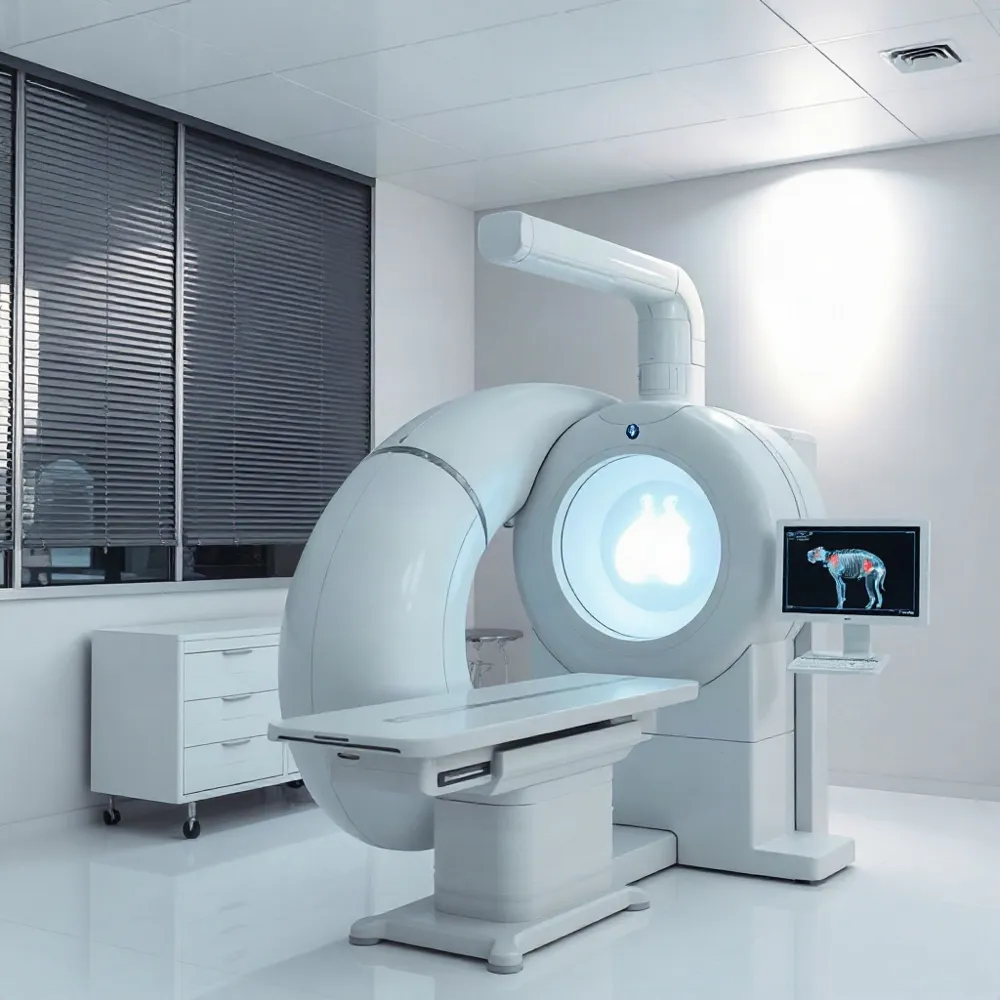
A Targeted Option for Pain
Chronic pain can make everyday tasks difficult, and its causes and intensity differ from person to person. An injection may be one option within a broader care plan, chosen after a clinician considers symptoms, the suspected pain source, and treatment goals.
Procedures serve different purposes. Some deliver medication near an irritated nerve or joint to reduce inflammation; others interrupt pain signals or help identify which structure may be contributing to symptoms. Image guidance may help clinicians place a needle accurately when needed. Pain injections can provide temporary relief, but results vary.
An injection is not a guaranteed or permanent solution, and it may not suit every condition. At California Pain Institute, care focuses on diagnosing and managing chronic pain, with a pain medicine physician assessing whether a targeted procedure fits the individual’s needs and how it may support function alongside other care.
Common Injection Approaches
 Pain injections are selected for the structure thought to be contributing to symptoms. For example, an epidural steroid injection places anti-inflammatory medicine in the space around spinal nerves. It may be considered when irritation or inflammation of a nerve root causes pain that travels from the back into the hip or leg.
Facet joint injections target the small joints connecting the vertebrae. A medial branch block instead places anesthetic near nerves that carry pain signals from those joints. Other nerve blocks can target a specific nerve and may help relieve symptoms or clarify whether that nerve is a source of pain.
Joint injections deliver medication into an affected joint, while trigger point injections place medicine into a painful, tight area of muscle. The medicine may differ too: some procedures use a local anesthetic, some use an anti-inflammatory steroid, and some combine the two. Imaging may guide needle placement when appropriate, as described in the University of Virginia’s overview of pain injections.
At California Pain Institute, a pain medicine physician evaluates the suspected pain source and the patient’s circumstances before recommending an intervention. These approaches are examples, not interchangeable treatments; a clinical assessment helps determine whether an injection fits the diagnosis and treatment goals.
For more on how epidural injections may be used for inflammation around spinal nerve roots, see this discussion of injection-based therapies for nerve and joint pain.
Matching Treatment to the Pain Source
 The right injection depends on what may be causing pain, not just where it is felt. A pain specialist considers the pattern of symptoms, how they change with movement, examination findings, medical history, previous treatments, and goals for daily function. Imaging may also help when appropriate.
Nerve-related symptoms, such as pain that travels from the back into the leg, can point to a different treatment approach than pain suspected to come from a spinal joint. For example, a lumbar epidural steroid injection may be considered when an irritated or compressed nerve root contributes to sciatica. It aims to reduce inflammation around the nerve, rather than correct every possible cause of back pain.
If small facet joints are suspected, a facet joint injection or medial branch block may be considered instead. A diagnostic block temporarily numbs a targeted area, which can provide additional information about whether that structure contributes to symptoms. The response is only one part of the assessment, and is interpreted alongside the examination, history, and any relevant imaging.
At California Pain Institute, a pain medicine physician evaluates chronic pain conditions and considers treatment options in light of each patient’s symptoms and circumstances. Before proceeding, patients should discuss the potential benefits and risks, what the procedure can realistically achieve, and how it may fit with other care, such as rehabilitation or activity changes. The 2022 review of pain injection procedures describes interventions as one part of an individualized plan, rather than a standalone cure.
Benefits, Risks, and Duration
 An injection may reduce inflammation or interrupt pain signals, depending on the medication and target. For some people, this can make movement more comfortable and create an opportunity to take part in physical therapy. A review of pain procedures describes them as one part of a broader care plan, with goals that can include improving function as well as easing pain (review of pain injection procedures).
The timing and duration of relief vary. A local anesthetic may act quickly, but its effect can wear off within hours. A steroid may take hours or days to begin helping and may provide relief for longer. Benefits can last only briefly, continue for weeks or months, or be insufficient; no response is guaranteed. The University of Virginia Radiology overview notes that outcomes differ, and some patients may need to consider other treatments.
Temporary soreness or a brief increase in pain can occur at the injection site. Depending on the procedure and a person’s health, other risks may include bleeding, infection, or an allergic reaction. Nerve injury and other serious complications are rare, but should be discussed before treatment.
Steroid injections may temporarily raise blood sugar, which matters particularly for people with diabetes. Medicines such as blood thinners, existing health conditions, and the injection method can also affect precautions. At California Pain Institute, evaluation by a pain medicine physician helps place these considerations in the context of a patient’s diagnosis and medical history. Patients can ask what changes to watch for and when to contact their care team.
Procedure Preparation and Follow-Up
A lumbar epidural steroid injection is usually an outpatient procedure. The care team cleans the lower back, numbs the skin with local anesthetic, and uses imaging to guide the needle near the spinal nerves. This image-guided approach is also described in Cleveland Clinic’s overview of lumbar epidural steroid injections.
The procedure commonly takes 15 to 30 minutes. You may feel a brief sting when the numbing medicine is given, followed by pressure or short-lived discomfort as the needle is positioned. Experiences differ. Tell the care team promptly if you feel sharp or unusual pain. Afterward, temporary soreness or numbness may occur, and your clinician will explain activity instructions and what to expect during recovery.
Steroid effects may take several days to develop, so lack of immediate relief does not necessarily mean the injection has failed. If pain persists or changes, contact the clinician who performed the procedure. Describe any brief improvement, new symptoms, or changes in daily function so the clinician can consider whether to reassess the diagnosis or discuss other options, such as physical therapy or medication changes.
Do not arrange another injection or change prescribed medicines without medical guidance. At California Pain Institute, care is led by a pain medicine physician who can evaluate symptoms and help place procedural treatment within an individualized chronic pain plan.
Seek urgent medical assessment for new weakness, fever, severe or rapidly worsening pain, or loss of bladder or bowel control. These symptoms warrant prompt attention rather than waiting for a routine follow-up.
Safe Use Within Broader Pain Care
An injection is not automatically more effective or safer than an oral medication. The right choice depends on the suspected cause and severity of pain, your medical history, and the risks of the specific medicine and route. For example, a clinician may consider ketorolac (Toradol) for short-term, moderately severe pain or when oral medication is unsuitable, but it is not appropriate for everyone.
Ketorolac can cause serious problems, including stomach bleeding and kidney injury, and treatment should not continue for more than five days. Use it only as prescribed, and discuss your history of ulcers or kidney disease and any blood thinners or other nonsteroidal anti-inflammatory drugs you take. A pain specialist can weigh these concerns against other options as part of an individualized assessment, as discussed in guidance on interventional pain procedures.
Do not give yourself an injection unless it was prescribed specifically for home use and a healthcare professional has taught you how to administer it safely. Follow the instructions for the medication, dose, timing, and injection site. Many pain procedures require sterile technique, clinical expertise, or imaging guidance, such as fluoroscopy or ultrasound, and should be performed by a qualified clinician. If pain remains uncontrolled, contact your care team rather than changing your dose or using someone else’s medication.
Injections may work best as one part of a wider care plan. Depending on the diagnosis and goals, California Pain Institute’s approach to chronic pain care can include considering procedures alongside physical therapy, home exercise, gradual activity changes, medication management, and strategies for coping, sleep, or stress.
Follow-up gives you and your clinician a chance to review pain, daily function, side effects, and progress toward personal goals. Shared decisions help determine whether to continue, adjust, or consider another part of the plan.
A Plan Built Around Your Needs
Injections differ in what they target and what they are intended to do. A procedure that helps one person may not suit another, and relief is never guaranteed. A 2022 review of pain procedures emphasizes individualized decisions within broader care.
At California Pain Institute, evaluation by a pain medicine physician helps shape care around the patient’s condition and circumstances. Discuss your symptoms, treatment goals, medicines, and medical history, along with the likely benefits and risks of an injection. Ask how physical therapy or other supportive care might fit the plan, and decide together whether a procedure is appropriate.