Relief Can Start Without Surgery
Back pain does not always require surgery. Nonsurgical care can aim to ease symptoms, restore movement, and make daily activities more manageable. Options may include guided exercise, physical therapy, lifestyle changes, medication, or selected procedures, depending on the situation.
A useful starting point is assessment of symptoms, medical history, likely cause, and personal goals. Chronic pain may ease and flare again, so care can focus on reducing flare-ups and improving function rather than promising complete relief.
At California Pain Institute, a physician-led clinic in the Los Angeles area evaluates and manages chronic pain. Surgery may be considered for selected structural problems when appropriate nonsurgical treatments have not helped. Starting with conservative care allows next steps to reflect the diagnosis and the person’s response.
Start With Symptoms and Assessment
 Chronic back pain generally lasts three months or longer and may ease for a time before returning. California Pain Institute describes chronic pain by its duration and symptoms, but the pattern alone does not identify its cause.
Possible sources include muscle or ligament strain, age-related spinal changes, arthritis, narrowing of the spinal canal (spinal stenosis), and herniated or bulging disks. Sometimes no single cause can be identified. Knowing what brings pain on, where it travels, and what eases it can help guide care. Johns Hopkins Medicine’s overview of chronic back pain discusses these possible causes and the role of assessment.
A clinician will usually ask when symptoms began, how they have changed, and how they affect daily activities, then examine movement, strength, sensation, and reflexes. California Pain Institute focuses on diagnosing and managing chronic pain, so an assessment can help connect symptoms and examination findings with an appropriate next step.
Imaging is not routinely needed early when there are no warning signs. A clinician may consider imaging or other tests if the history or examination suggests a specific problem. The NIH review of low back pain assessment outlines this approach.
Arrange medical evaluation for pain that persists, returns, worsens, or limits daily activities. Seek prompt in-person care for new bowel or bladder problems, groin numbness, limb weakness, difficulty walking or balancing, fever, or severe pain after significant trauma.
Use Gentle Movement at Home
For many people, gentle movement is a safer starting point than prolonged bed rest. Short walks, changing position regularly, and continuing familiar activities at a comfortable pace can help maintain function. The 2021 review of conservative low back pain care supports self-management and staying active when serious warning signs are absent.
Superficial heat, such as a warm pack, may ease discomfort for some people. Gentle stretching or movement is also reasonable if it feels tolerable, but do not force a stretch or push through symptoms that sharply worsen. At California Pain Institute, care for chronic pain can include discussing manual therapies such as massage or spinal manipulation as part of a broader plan, rather than relying on one home measure.
Before taking an over-the-counter pain medicine, check with a clinician or pharmacist if you have other health conditions, take other medicines, or are unsure what is safe for you. Seek urgent medical care for new bowel or bladder problems, numbness around the groin, or worsening weakness. For guidance on gentle activity between appointments, see these conservative self-care approaches for sciatica.
Build a Conservative Care Plan
 Conservative treatment means nonsurgical care designed to ease symptoms, support movement and daily function, and improve quality of life. The plan may combine several approaches, selected according to the likely cause of pain, symptoms, health history, and personal goals. California Pain Institute focuses on diagnosing and managing chronic pain, with care guided by an experienced pain medicine physician.
For a recent episode without warning signs, care often begins with education, self-management, and staying active as symptoms allow. Superficial heat may help, while medication choices should account for a person’s health risks and other medicines. The American College of Physicians guidance on noninvasive low back pain treatment recommends starting with nondrug approaches for acute and subacute nonradicular pain.
When pain persists, realistic goals can include reducing flare-ups and making everyday tasks easier, rather than expecting all discomfort to disappear. Depending on the person, care may include tailored exercise, physical therapy, a home routine, and psychological or relaxation strategies. A conservative care plan can bring these options together, with progress reviewed and the plan adjusted as needed.
Small changes can also make daily activity more manageable: pace strenuous chores, take breaks, split heavy loads into smaller trips, and keep comfortable activities in the routine. Gradual lifestyle adjustments may be easier to maintain than trying to change everything at once. California Pain Institute’s focus on chronic pain management supports discussing these practical steps alongside clinical care.
Nutrition guidance and maintaining a healthy weight may be relevant for some people, while smoking can heighten pain and delay healing. A clinician can help decide which changes fit an individual’s needs and circumstances.
Make Exercise Individual and Sustainable
Can physical therapy and exercise help relieve lower back pain? Yes. Exercise-based physical therapy is often an early part of chronic back-pain care, with exercises chosen to match a person’s symptoms, condition, and comfort level. The Johns Hopkins Medicine guidance on chronic back pain describes physical therapy as a foundation of treatment.
A physician or spine physical therapist may build a program around core strengthening, flexibility and stretching, posture retraining, and gradually testing activity tolerance. Comfortable-paced aerobic activity, such as walking, may also fit. There is no single routine for everyone, so movements that aggravate symptoms may need adjustment. The California Pain Institute’s approach to non-invasive treatments for spine pain also places individualized exercise within conservative care.
The goal is not only to complete therapy sessions, but to establish a suitable home routine that can be continued consistently to support strength and spinal stability. When appropriate, gentle stretching and mindfulness-based approaches may complement movement. The 2021 review of conservative management of low back pain discusses walking, gentle stretching, and mindfulness-based stress reduction among options for chronic pain. A therapist can help adapt exercises and make the routine manageable.
Pause and seek medical guidance if exercise brings a marked worsening of pain, or if new weakness, numbness, or other neurological symptoms appear. A clinician can reassess the cause and determine whether the program should change.
Choose Medicines With Clinical Guidance
Medicine may ease back pain, but the right choice depends on the likely cause, your health history, other medicines you take, and how you respond. A clinician can weigh possible benefits against side effects and interactions, then adjust the plan as symptoms change.
Options may include anti-inflammatory medicines, muscle relaxants, nerve-pain medicines, or antidepressants. Depending on the treatment, a medicine may be applied to the skin, taken by mouth, or given by injection. The Johns Hopkins Medicine guidance on chronic back pain recommends using the lowest effective dose and continuing only while the medicine remains helpful and well tolerated.
California Pain Institute’s care focuses on diagnosing and managing chronic pain, so medication decisions can be considered alongside other approaches rather than in isolation. Patients can review their current medicines, past benefits, side effects, and treatment goals with their pain physician. More on medication management for chronic pain explains how clinicians weigh effectiveness and safety.
Opioids are not a first-line strategy for chronic back pain. With prolonged use, risks can include tolerance, increasing doses, physical dependence, and habit formation. If you rely on opioids and have not been offered other options, ask your clinician about alternatives or whether a second opinion would be useful. Do not stop a prescribed medicine abruptly without medical guidance.
Consider Injections as One Part of Care
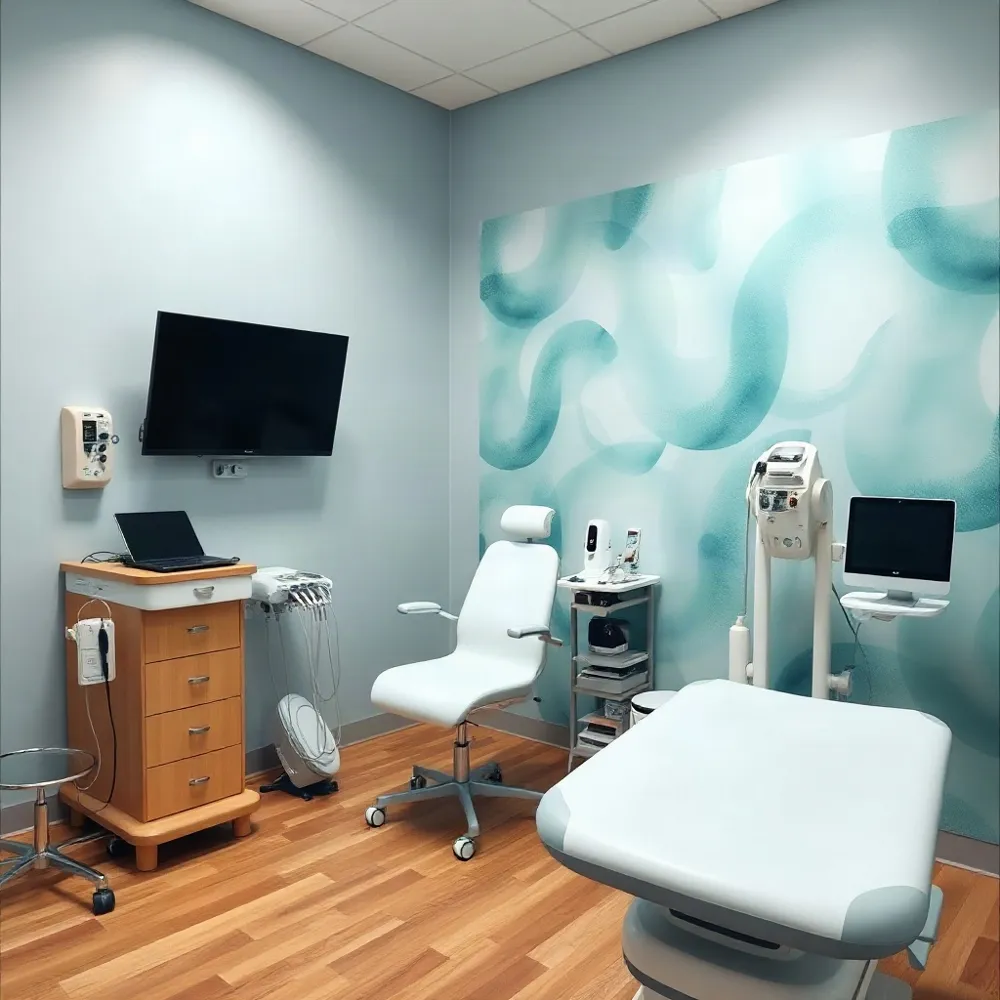 When other approaches have not provided enough relief, a clinician may discuss an injection if evaluation suggests a specific pain source. Options include trigger-point injections for tender muscle areas, epidural steroid injections, and nerve blocks. In selected cases, nerve ablation may also be considered. These procedures target different structures, so the right choice depends on symptoms and clinical findings.
An injection may sometimes offer information about the suspected source: if it does not help, the clinician may need to reconsider that explanation. Relief varies and may be temporary. Injections are not designed to resolve every underlying problem or serve as stand-alone, long-term care. Johns Hopkins Medicine describes their role as helping reduce pain enough for a person to take part in gentle activity and rehabilitation.
The California Pain Institute focuses on diagnosing and managing chronic pain, so a discussion can consider how a procedure fits with physical therapy, home exercise, and daily goals. Before deciding, ask a pain specialist about likely benefits, possible risks, alternatives, and what the response to treatment would mean. Injection options are described further in a guide to injection-based therapies.
Plan Next Steps for Persistent Pain
Can pain from an L4-L5 spinal condition improve without surgery? Often, nonsurgical care is considered first, but an imaging finding alone does not prove what is causing symptoms. A clinician needs to interpret scans alongside your history, examination, and how pain affects movement.
Depending on the assessment, care may include guided activity, physical therapy, and pain-relief approaches selected for your symptoms and health history. A 2021 clinical review of conservative low back pain care describes individualized exercise and self-management as part of care, while emphasizing that treatment should reflect the person’s needs. California Pain Institute’s chronic pain care focuses on diagnosis and management, with treatment choices guided by the individual’s condition.
What type of doctor should you see for back pain or sciatica? A primary care provider can begin an assessment and coordinate care. A physiatrist focuses on nonsurgical diagnosis and treatment of musculoskeletal conditions; a pain medicine specialist may help when pain persists or a treatment plan needs further review. A spine surgeon can assess a suspected structural problem, but that consultation does not mean surgery is the next step.
Will chronic back pain go away? It may improve, recur, or persist. When pain cannot be traced to a treatable cause, care can still aim to reduce the frequency or severity of flare-ups, support activity, and improve daily function and quality of life. A Johns Hopkins Medicine overview of chronic back pain care notes that management can focus on these goals even when the cause remains unclear.
Surgery may be considered when imaging confirms a cause and other treatments have not helped. It is invasive and does not guarantee pain relief, so discuss potential benefits, risks, and alternatives with your care team. If surgery is proposed, seeking another opinion, or consulting more than one surgeon, can help you make an informed decision.
Seek prompt in-person care for new or worsening bowel or bladder problems, numbness around the groin, or rapidly worsening limb weakness. These symptoms require urgent assessment rather than routine follow-up.
A Measured Path Toward Better Function
Back-pain care can be adjusted as symptoms and daily needs change. California Pain Institute evaluates and manages chronic pain, with treatment decisions guided by a physician’s assessment rather than a fixed sequence of procedures. Evidence-based guidance also emphasizes matching care to the individual and revisiting the plan when it is not helping (VA/DoD low back pain guideline).
Arrange an assessment if pain persists, worsens, or limits everyday activities. Seek urgent medical care for new bowel or bladder problems, numbness around the groin, or rapidly worsening weakness, which can signal a serious problem requiring prompt evaluation.
Surgery is not inevitable. Whether to consider an injection or an operation depends on the suspected cause, examination findings, and response to other care. Discuss the expected benefits, risks, and alternatives with a clinician before making a decision. California Pain Institute’s surgical and nonsurgical spine-pain options can help frame that conversation.