
Advancing Patient Care Through Ultrasound Technology
Modern pain medicine relies on anesthesiology innovations to transform how chronic pain is diagnosed and managed. At capaininstitute.com, we prioritize precision by shifting away from traditional, landmark-based blind injections toward advanced, ultrasound-guided pain interventions. While some clinics still rely on manual palpation and guesswork, which can lead to inaccurate medication placement and unpredictable outcomes, our approach uses real-time sonographic imaging to visualize soft tissues, nerves, and vascular structures before any delivery occurs.
The transition to visual-guided techniques offers patients significant safety benefits. By confirming needle placement in real-time, specialists can avoid critical structures like blood vessels and nerves, minimizing the risk of complications such as hematomas or unintended nerve injury. Unlike fluoroscopy, which exposes patients to ionizing radiation, ultrasound provides high-resolution imaging that is both portable and completely radiation-free. This commitment to enhanced anesthesiology protocols ensures that every injection at capaininstitute.com is delivered with clinical confidence, directly targeting the source of pain to maximize therapeutic efficacy and support a faster, more comfortable recovery.
Enhancing Accuracy and Safety via Real-Time Visualization
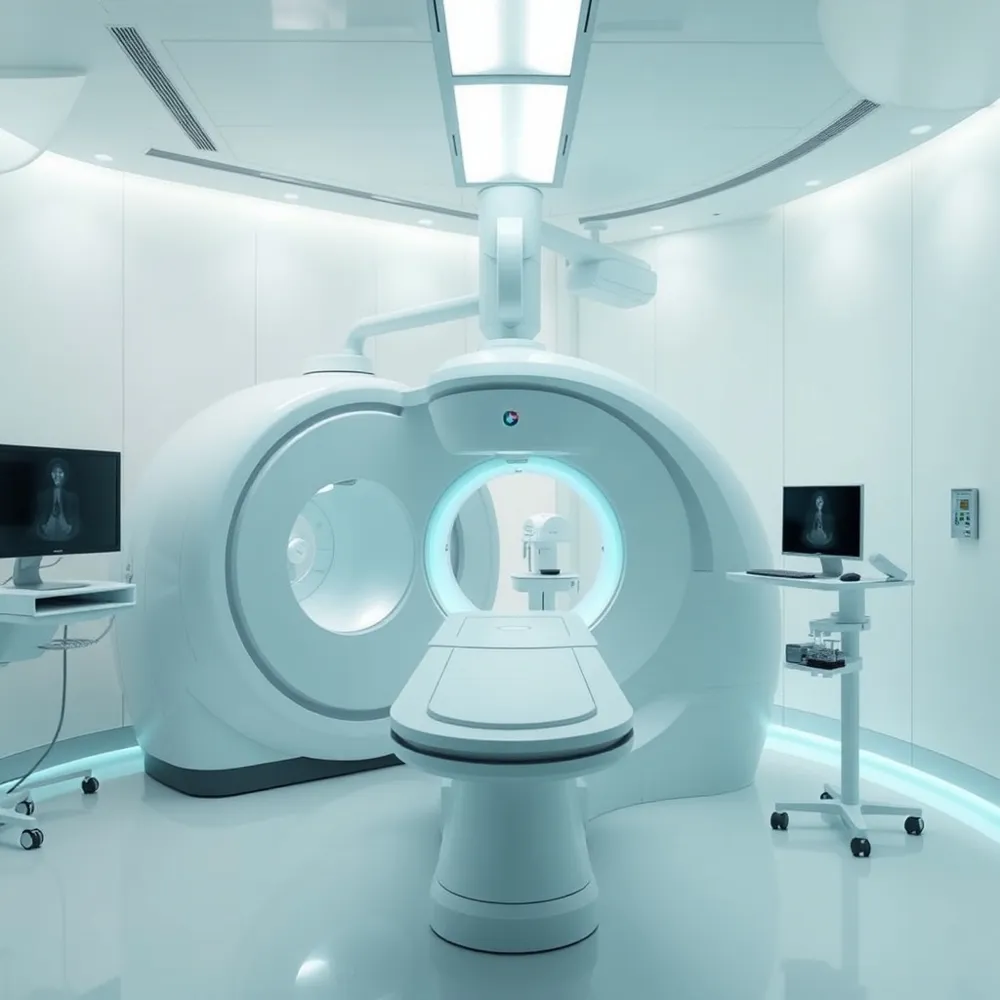 Modern interventional pain management has evolved significantly by shifting away from traditional, landmark-based techniques. At capaininstitute.com, our specialists prioritize advanced ultrasound-guided pain interventions to deliver precise, targeted relief. Unlike older methods, which rely on external anatomy and palpation, ultrasound provides high-resolution, real-time visualization of soft tissues, nerves, and vascular structures directly at the bedside.
How does ultrasound guidance enhance the accuracy of interventional pain procedures?
Real-time navigation allows clinicians to track the needle-to-target pathway with extreme precision, significantly reducing the risk of unintended puncture to arteries or veins. While traditional fluoroscopy has long been a staple in pain medicine, it exposes both patients and providers to ionizing radiation. In contrast, ultrasound provides a radiation-free diagnostic and treatment environment, making it a preferred choice for preventing complications like nerve injury or local anesthetic systemic toxicity.
Seeing the distribution of therapeutic agents in real-time ensures the medication reaches the intended site of action rather than surrounding tissue. Research shows that observing anesthetic spread allows for immediate adjustments, which improves the success rate of complex nerve blocks while minimizing patient discomfort. As highlighted in the protocols at capaininstitute.com, these innovations move clinical practice toward safer, more dynamic patient care by replacing guesswork with clear visual confirmation.
Clinical Applications and Therapeutic Versatility
 Ultrasound technology serves as a cornerstone for anesthesiology innovations at capaininstitute.com, enabling clinicians to visualize critical soft-tissue structures that are otherwise obscured during traditional landmark-based procedures. By avoiding ionizing radiation, these ultrasound-guided interventional pain procedures provide a safer and more precise alternative for managing chronic pain in both outpatient and surgical settings.
What specific therapeutic procedures can be performed using ultrasound guidance?
The versatility of ultrasound-guided injections allows providers to address a wide scope of complex conditions. For patients suffering from sympathetic-mediated pain, stellate ganglion blocks benefit from real-time imaging that identifies the carotid sheath and esophagus, effectively reducing the risk of accidental puncture compared to blind techniques. This precision is essential when performing peripheral nerve blocks, as it ensures anesthetic agents are delivered directly to the target nerve.
Clinicians also leverage the technology to navigate high anatomical variability. For example, ilioinguinal and iliohypogastric nerve blocks are significantly more accurate when the provider can identify unique muscle layers in real-time. Similarly, piriformis muscle injections rely on direct visualization to differentiate the muscle belly from the adjacent sciatic nerve, mitigating the high inaccuracy rates often seen with traditional fluoroscopy. These minimally invasive options for targeted relief allow the California Pain Institute to manage complex conditions while minimizing reliance on systemic medications, supporting a more focused patient recovery.
Integrating Non-Invasive Modalities for Comprehensive Recovery
 Effective chronic pain management often requires a multifaceted strategy that pairs direct clinical intervention with supportive, non-invasive therapies. At capaininstitute.com, we emphasize that long-term recovery is best achieved when anesthesiology innovations are integrated into a broader multidisciplinary program that includes physical therapy.
How do TENS units and therapeutic ultrasound compare for chronic back pain management?
TENS (Transcutaneous Electrical Nerve Stimulation) and therapeutic ultrasound are both valuable non-invasive modalities for managing chronic back pain, though they function through different physiological pathways. TENS units use low-voltage electrical currents to override pain signals to the brain and stimulate endorphin release, making them highly effective for immediate, symptomatic relief. Conversely, therapeutic ultrasound employs sound waves to penetrate deep into muscle tissues, promoting healing through increased local circulation and thermal effects.
While TENS addresses the sensory perception of discomfort, ultrasound focuses on the underlying soft-tissue recovery at the site of the injury. When integrated into a comprehensive, physician-led treatment plan, combining these therapies can optimize clinical outcomes and provide a more balanced approach to sustained pain management. These tools are most effective when incorporated into a supervised recovery protocol that monitors progress and adjusts for patient-specific anatomical variations.
Physical therapy remains the gold standard for restoring function, acting as a crucial component that extends the benefits of interventional procedures. By coupling mechanical stimulation with guided movement, patients experience a more holistic recovery compared to reliance on a single intervention type. This dual approach helps accelerate the transition from acute symptom mitigation to restored physical autonomy.
Innovations in Non-Opioid Pharmacological Management
The landscape of pain relief is evolving rapidly with the introduction of new treatment options that prioritize patient safety. A recent advancement in this field is the FDA-approved medication Journavx (suzetrigine), a first-in-class non-opioid oral tablet indicated for moderate to severe acute pain. Unlike traditional treatments that affect the brain, this drug targets sodium channels in the peripheral nervous system to block pain signals effectively.
What is the latest advancement in non-opioid pain medication?
By operating peripherally, Journavx avoids the central nervous system side effects and addiction risks commonly linked to opioid analgesics. Clinical trials demonstrate that this medication provides significant relief comparable to standard opioids like hydrocodone, without the associated dependency issues. Because it acts as a non-NSAID, it also bypasses the gastrointestinal and renal risks often observed with long-term use of non-steroidal anti-inflammatory drugs. At capaininstitute.com, clinicians are closely monitoring how these targeted, non-addictive therapies can be integrated into broader recovery plans, providing patients with safer alternatives that address pain at its source.
The Future of Minimally Invasive Pain Treatment
The integration of ultrasound-guided pain interventions has fundamentally shifted how clinicians approach chronic pain, moving toward dynamic, radiation-free methodologies that prioritize patient safety. By providing real-time visualization of nerves and soft tissues, these anesthesiology innovations have moved beyond the limitations of traditional landmark-based procedures, offering precision that can reduce complications such as vascular puncture or nerve injury.
As the clinical landscape evolves, the demand for standardized, rigorous training for medical providers is growing. While interventional pain medicine practitioners once relied primarily on fellowship-based learning, the modern standard now incorporates structured simulation-based training and specialized certification. This evolution ensures that physicians possess the technical proficiency required to manage advanced procedures, such as peripheral nerve stimulation and ultrasound-guided diagnostic blocks, with consistent, reproducible outcomes.
At capaininstitute.com, the commitment to patient-centered care is reflected in the active adoption of these emerging diagnostic and therapeutic technologies. By fostering an environment where anesthesiologists employ high-resolution imaging to tailor treatments to an individual's unique anatomy, the center helps patients reduce their reliance on systemic medications and invasive surgeries. This dedication to integrating AI-assisted image recognition and minimally invasive techniques positions the clinic as a destination for those seeking efficient, long-term relief from chronic conditions.