Understanding Chronic Pain and Its Impact
Chronic pain is pain that persists > three months, often arising from nociceptive, neuropathic, inflammatory, or centrally‑sensitized mechanisms. In the United States, roughly 20‑21 % of adults—about 50 million people—live with such persistent pain. Its development is driven by a biopsychosocial interplay: altered central pain processing, psychological stress, anxiety, depression, and social factors such as work loss or limited support. Consequently, daily functioning is compromised; patients report reduced mobility, impaired sleep, diminished productivity, and lower quality of life. Addressing chronic pain therefore requires comprehensive, multidisciplinary care that targets both the biological and psychosocial contributors.
Comprehensive Home‑Based Pain Management
 Chronic pain management at home relies on a multimodal, evidence‑based strategy that empowers patients to control symptoms while minimizing medication side‑effects. Gentle movement and exercise—such as low‑impact walking, swimming, yoga, or tai‑chi—improve circulation, maintain joint range, and stimulate endorphin release without overstressing tissues. Heat and cold self‑therapy, applied with warm packs, warm showers, ice packs, or cold compresses, can reduce inflammation, relax tight muscles, and provide immediate analgesia. A nutrition plan rich in vegetables, fruits, whole grains, lean protein, and omega‑3 fatty acids, while limiting refined sugars, saturated fats, and excessive sodium, supports an anti‑inflammatory state that may lower systemic pain sensitization. Relaxation and stress‑reduction techniques—including deep‑breathing exercises, mindfulness meditation, progressive muscle relaxation, and guided imagery—modulate the nervous system and diminish pain‑related anxiety. Consistent sleep hygiene—regular bedtime, a dark and cool bedroom, limited caffeine, and a wind‑down routine—promotes restorative healing and reduces hyper‑arousal that can amplify pain. Finally, maintaining a daily pain diary and adhering to a medication schedule overseen by a pain specialist enables precise tracking of triggers, treatment response, and necessary adjustments, fostering long‑term relief and improved quality of life.
Specialized Care in Torrance, California
 The California Pain Institute in Torrance delivers comprehensive chronic‑pain care through a multidisciplinary team that includes board‑certified pain physicians, physiatrists, physical and occupational therapists, psychologists, and pharmacists. This collaborative model allows the clinic to combine interventional procedures—such as epidural steroid injections, nerve blocks, radiofrequency ablation, and minimally invasive spinal cord stimulation—with cutting‑edge regenerative therapies like platelet‑rich plasma and stem‑cell injections. Medication management is individualized, employing NSAIDs, COX‑2 inhibitors, anticonvulsants, and antidepressants while monitoring for side‑effects and opioid risk. Rehabilitation services are coordinated on‑site, ensuring that exercise programs, ergonomic counseling, and behavioral interventions reinforce the procedural and pharmacologic treatments. New patients begin with a detailed intake, diagnostic imaging, and functional assessment; the pain specialist then creates a personalized treatment plan that is reviewed and adjusted at regular follow‑up visits. This seamless pathway from referral to ongoing care maximizes functional improvement, reduces reliance on opioids, and enhances overall quality of life for residents of the South Bay area.
Impact of Chronic Pain on Quality of Life
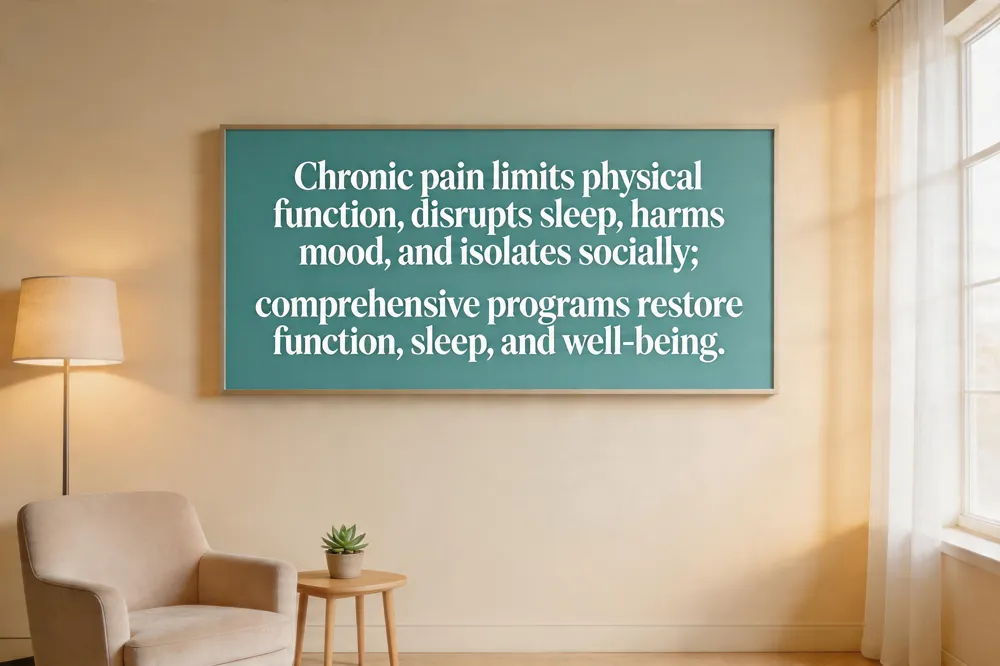 Chronic pain dramatically reduces quality of life by imposing physical limitations that erode independence—patients often cannot walk, bend, or lift without severe discomfort, leading many to curtail daily chores and abandon work. Pain‑induced sleep disruption leaves individuals fatigued, impairs concentration, and fuels a cycle of daytime exhaustion. The persistent threat of pain is tightly linked to mood disorders; depression, anxiety and irritability become common, further weakening emotional well‑being. Socially, pain isolates patients, limiting participation in family gatherings, hobbies, and occupational roles, which can diminish self‑esteem and increase feelings of loneliness. Fortunately, evidence‑based pain‑management programmes—combining medication, cognitive‑behavioural therapy, graded exercise, and interventional procedures can reverse many of these effects. By improving function, restoring restorative sleep, and addressing mental‑health comorbidities, specialist‑guided care restores independence, enhances mood, and rekindles social and work engagement, ultimately elevating overall life satisfaction.
Pain Clinic Services and Multidisciplinary Approach
 A pain clinic is a specialty center where a coordinated team—including physicians, nurses, physical therapists, psychologists, and other experts—works together to evaluate and treat acute and chronic pain. By developing personalized plans that blend medications, interventional procedures, rehabilitation, and counseling, the clinic targets the physical, emotional, and functional dimensions of pain to improve quality of life rather than simply eliminate discomfort.
Chronic pain can be grouped into four major types: (1) neuropathic pain, caused by nerve damage and described as burning or shooting; (2) somatic (musculoskeletal) nociceptive pain, arising from skin, muscle, bone or joint injury and felt as aching or sharp; (3) visceral nociceptive pain, originating in internal organs and often deep, dull, or cramping; and (4) inflammatory pain, which is a persistent throbbing ache that worsens with activity and eases with rest.
Pain management proceeds through three progressive levels: conservative (non‑surgical) therapies such as physical therapy, activity modification, and medication; interventional pain management using image‑guided injections, nerve blocks, radiofrequency ablation, or neuromodulation when conservative care is insufficient; and surgical care reserved for structural problems requiring operative correction.
California Pain Consultants in San Diego exemplify this multidisciplinary model. Their board‑certified team offers spinal injections, nerve blocks, radiofrequency ablation, regenerative treatments (platelet‑rich plasma, stem‑cell therapy), and comprehensive medication management with opioid stewardship. Integrated physical, occupational, and psychological services complete a patient‑centered, multimodal approach designed to restore function and sustain long‑term relief.
Principles and Safety in Long‑Term Pain Treatment
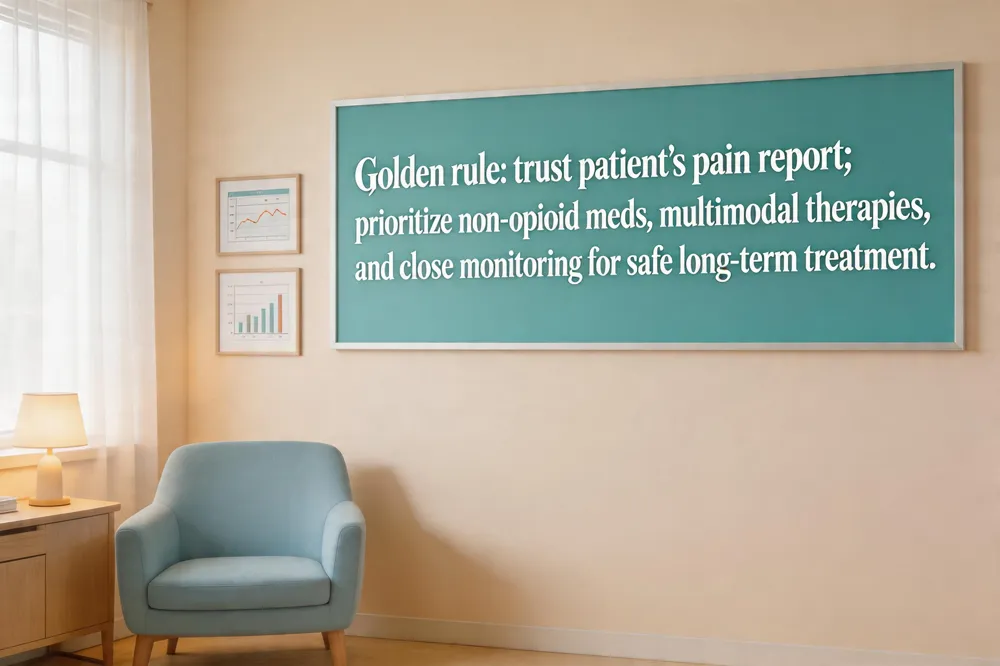
What is the golden rule of pain management?
The golden rule is to treat pain as the patient describes it, trusting their subjective report above any preconceived notions. By validating the patient’s experience and responding promptly, clinicians honor the principle that “pain is pain” and lay the foundation for compassionate, evidence‑based care.
What is the safest pain medication for long‑term use?
For most patients, non‑opioid agents are safest. Acetaminophen is first‑line for mild‑to‑moderate pain because it lacks gastrointestinal and renal risks at therapeutic doses. Low‑dose NSAIDs (ibuprofen, naproxen) can be used for chronic inflammation when monitored for stomach, kidney, and blood‑pressure effects. Opioids are reserved for severe, refractory pain and require close oversight.
Pain management plan
A comprehensive plan starts with a thorough evaluation to identify pain mechanisms and set clear goals. It combines multimodal therapies: non‑opioid medications (Acetaminophen, NSAIDs, gabapentin, antidepressants), physical therapy, exercise, acupuncture, massage, and cognitive‑behavioral therapy. When necessary, targeted interventional procedures such as nerve blocks or minimally invasive spinal injections are added. Ongoing behavioral health support, patient education, and regular follow‑up ensure adjustments are made safely to maintain long‑term relief.
Your Path to Sustainable Relief
Pain‑management specialists bring deep expertise in diagnosing the many contributors to chronic pain—from central sensitization to musculoskeletal injury—and they tailor evidence‑based, multimodal plans that combine medication, interventional procedures, physical therapy, and behavioral support. By joining a multidisciplinary team, patients gain coordinated care that addresses both physical symptoms and emotional well‑being, leading to better functional outcomes and reduced reliance on opioids. If you have been living with persistent pain for three months or more, consider a referral to a board‑certified pain physician. Schedule a consultation today to start a personalized, comprehensive program aimed at lasting relief and improved quality of life.