What Happens During a Joint Injection?
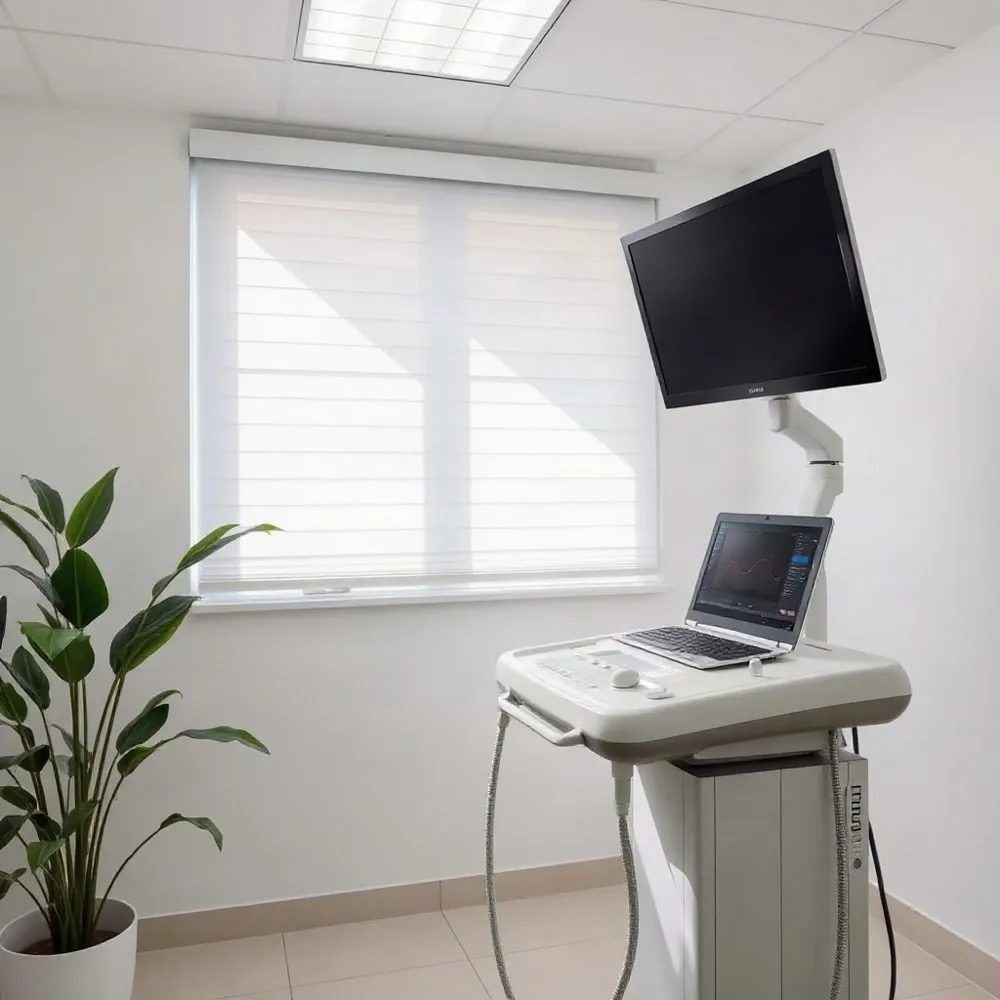
A clinician first examines the painful area and discusses why an injection may help. During the procedure, a needle delivers medicine into or near the selected joint, sometimes with ultrasound or X-ray guidance. The steps depend on the joint and treatment plan, and results vary.
Persistent joint pain is real, and it can affect daily movement and rest. An injection may be one part of care, not a cure or a substitute for finding the cause; cortisone injections are used to reduce pain and inflammation in some cases.
Dr. Rebecca Kerr is dual board-certified in Pain Medicine and Anesthesiology, UCLA-trained, and has practiced pain management exclusively for more than 25 years. At California Pain Institute, she uses ultrasound- and X-ray-guided injections when appropriate and explains how they fit into a broader care plan.
Which Injections May Help Joint Pain?
 The right injection depends on which joint hurts, what may be causing the pain, your health history, prior care, and your goals. A corticosteroid injection places anti-inflammatory medicine in or near a joint and may ease symptoms, but it does not treat every cause of pain or cure the underlying condition.
A clinician may combine the steroid with a local anesthetic, a medicine that temporarily numbs the area. The anesthetic may work sooner and help assess whether the joint contributes to pain, while the steroid takes longer to act; early numbing does not guarantee later relief. The American Academy of Orthopaedic Surgeons’ guidance on cortisone shots explains how these medicines may be used together.
For pain linked to arthritis, an injection may be considered after an assessment and discussion of other care, such as physical therapy. It is usually one part of a wider plan, not a stand-alone treatment.
California Pain Institute provides ultrasound- and X-ray-guided joint injections. Image guidance can help the clinician place the needle accurately, though it cannot ensure pain relief.
Dr. Rebecca Kerr is dual board-certified in Pain Medicine and Anesthesiology, UCLA-trained, and has practiced pain management exclusively for more than 25 years. She explains the diagnosis and options, and coordinates with other specialists when needed so the plan can reflect the patient’s needs.
What Happens Before and During the Procedure?
 Before a joint injection, Dr. Rebecca Kerr reviews your symptoms and health history, examines the area, and explains why an injection may be considered, along with its risks and alternatives. She is UCLA-trained and dual board-certified in Pain Medicine and Anesthesiology, with more than 25 years practicing pain management exclusively.
Tell the clinician about allergies, medical conditions, and all medicines you take, including blood thinners. Do not stop or change a medicine unless your physician advises you to do so. You can ask questions or share concerns about the procedure before deciding whether to proceed.
The skin is cleaned, and a needle is guided toward the intended area. Depending on the joint and treatment plan, the clinician may use ultrasound or X-ray guidance. The injection may contain a local anesthetic, a corticosteroid, or both, and not every procedure uses the same medicine or guidance method. AAFP’s overview of joint and soft-tissue injections describes these general steps; instructions for your specific procedure take priority.
You may feel pressure or brief discomfort. Tell the clinician if you feel significant discomfort or feel anxious, so the team can respond and discuss ways to support you. Sterile technique helps reduce the risk of infection.
If a joint is swollen, the clinician may draw out fluid for testing before deciding whether an injection is appropriate. A suspected joint infection needs evaluation, not a therapeutic steroid injection. Dr. Kerr explains the diagnosis and coordinates care with other specialists when needed; her practice provides care in Torrance in the South Bay and in Los Angeles near LAX.
What should I expect during and after a joint injection?
The exact experience depends on the joint and plan, and the injection is not always painless. Afterward, follow your care team’s instructions about activity, and contact them if symptoms worsen or you have concerns. Learn more about Dr. Kerr and her approach to treating arthritis.
To discuss whether a joint injection may fit your care plan, Request an appointment with Dr. Kerr. Call Torrance at (310) 504-0632 or Los Angeles at (310) 642-7900.
When Might Relief Begin and How Long Last?
A joint injection may ease pain soon after treatment if it contains a local anesthetic, but that effect is temporary. The corticosteroid works more gradually, and improvement may take several days to begin. Some people do not get relief, and results cannot be guaranteed.
The anesthetic may provide faster, short-term relief, while the steroid reduces inflammation over time. Some people notice a temporary increase in soreness or pain before the steroid begins to help, as described in AAOS guidance on cortisone shots.
When an injection helps, relief may last several weeks to a few months, but duration varies with the diagnosis, the joint, and each person’s response. An injection may ease symptoms enough to support movement or rehabilitation, but it does not repair joint damage.
Dr. Rebecca Kerr is dual board-certified in Pain Medicine and Anesthesiology, UCLA-trained, and has practiced pain management exclusively for more than 25 years. She uses image-guided injections when appropriate and can explain what to expect based on your condition and treatment goals.
At follow-up, you and your clinician can review changes in pain and function and discuss next steps. A simple pain diary may help you track symptoms and whether daily activities are becoming easier.
For care that considers both symptoms and function, Dr. Kerr can discuss how an injection may fit with rehabilitation and other parts of your plan. Learn more about Dr. Kerr, or request an appointment with Dr. Kerr. Torrance (South Bay): (310) 504-0632. Los Angeles near LAX: (310) 642-7900.
What Risks Should I Discuss With My Clinician?
 A joint steroid injection can cause temporary soreness, swelling, bruising, or a short-term increase in pain. Some people also experience facial flushing, changes in skin color or soft tissue near the injection site, or a temporary rise in blood sugar, which is important to discuss if you have diabetes. AAOS patient information on cortisone shots and the Mayo Clinic overview of cortisone shots describe these possible effects.
Less common but important risks include infection, bleeding, an allergic reaction, and injury to nearby structures. Steroid medicine should not be injected directly into a tendon because it can weaken the tendon and increase the risk of a tear. Seek prompt medical care if pain worsens along with fever, marked redness, warmth, or swelling. Some soreness alone can occur after an injection, but contact your care team if you are concerned.
Repeated steroid injections may affect cartilage and other joint tissues. There is no single injection limit that fits everyone; the decision depends on the joint, diagnosis, prior response, and health history. Dr. Rebecca Kerr, dual board-certified in Pain Medicine and Anesthesiology and UCLA-trained, reviews these factors and explains the options. Her approach to pain care includes patient education and coordination with other clinicians. For people managing arthritis, the risks and likely benefits should be considered as part of the full care plan.
Could an Injection Be Compared With Knee Replacement?
A clinician weighs the cause and severity of knee pain, its effect on daily activities, treatments tried, overall health, and your goals. An injection may help manage symptoms when it fits the diagnosis, but it cannot repair advanced joint damage, and relief may be temporary.
Knee replacement may be discussed when pain and limits on daily life remain substantial despite nonsurgical care, and an orthopedic evaluation suggests surgery could help. There is no single threshold that makes surgery right for everyone.
Dr. Rebecca Kerr, dual board-certified in Pain Medicine and Anesthesiology and UCLA-trained, has practiced pain management exclusively for more than 25 years. She can explain nonsurgical options and coordinate an orthopedic referral when needed; the decision is shared by you, your pain clinician, and the orthopedic surgeon.
That discussion can cover possible benefits, risks, alternatives, and expected recovery. If knee replacement is being considered after a steroid injection in that joint, ask your treating clinician about timing. The AAOS guidance on cortisone shots advises discussing the interval with the clinician because an injection may affect surgical timing.
For more on care for arthritis and Dr. Kerr’s background, see the practice’s patient information. Request an appointment with Dr. Kerr through this form, or call Torrance (South Bay) at (310) 504-0632 or Los Angeles near LAX at (310) 642-7900.
What Questions Should I Ask Beforehand?
Ask what the injection is intended to treat, what alternatives exist, and how its benefits and risks fit your health history. Dr. Rebecca Kerr, dual board-certified in Pain Medicine and Anesthesiology, explains that an injection may help some people, but relief is not guaranteed and results vary. Learn more about arthritis and Dr. Kerr.
Frequently asked questions
- Will the injection hurt? Brief discomfort or pressure is possible.
- Can I drive afterward? Ask your care team, since instructions depend on the procedure.
- What should I do after the injection? Follow your clinician’s instructions.
- When should I call the clinic? Call about worsening symptoms or concerns. Seek prompt medical attention for fever with marked redness, warmth, or swelling.
- Can everyone have an injection? Suitability depends on the diagnosis and your health history.
For an assessment, visit the Torrance office in the South Bay or the Los Angeles office near LAX. Call Torrance at (310) 504-0632 or Los Angeles at (310) 642-7900, or Request an appointment with Dr. Kerr.