Why Managing Stress Matters for Migraine‑Prone Patients
Stress triggers hormonal and chemical cascades—especially cortisol and adrenaline—that lower pain thresholds, disrupt sleep, and alter glucose metabolism, all of which can precipitate a migraine. In turn, the pain and disability of a migraine raise perceived stress, creating a bidirectional feedback loop that amplifies attack frequency and severity. Evidence‑based interventions break this cycle: regular aerobic exercise (≥30 minutes, five days a week) reduces stress hormones and improves neurovascular regulation; mindfulness‑based programs (MBSR, guided meditation, deep‑breathing) lower cortisol and modulate pain‑processing brain regions; progressive muscle relaxation and yoga decrease muscle tension that often precedes attacks; consistent sleep‑wake times, balanced meals, and adequate hydration stabilize physiological variability; and cognitive‑behavioral therapy equips patients with coping skills to reframe stressors. Together, these lifestyle and behavioral strategies provide a non‑pharmacologic foundation that complements medical treatment and can substantially lessen migraine burden.
Understanding Stress‑Triggered Migraine
 Stress activates hormonal and neurochemical pathways—especially cortisol, adrenaline, and serotonin fluctuations—that lower the brain’s pain threshold and can trigger migraine attacks, including those with aura. Both acute stress and the rapid relaxation that follows ("let‑down" migraines) may precipitate visual aura phenomena such as scintillating lights or zig‑zag patterns.
Stress migraine symptoms – A prodrome of fatigue, irritability, muscle aches, stomach upset, yawning, and thirst often precedes the headache. When aura occurs, visual disturbances appear before the throbbing unilateral pain, which worsens with activity and is accompanied by nausea, vomiting, and photophobia/phonophobia. Post‑drome fatigue and concentration difficulty may linger.
Stress migraine location – Pain typically starts in the temple or behind the eye, spreading forward to the forehead and occasionally radiating to the neck or back of the head, with associated neck‑shoulder tension.
Migraines caused by stress and anxiety – Up to 80 % of migraineurs cite stress as a trigger. Chronic stress dysregulates pain pathways and amplifies inflammatory mediators; anxiety compounds this by creating a feedback loop that further lowers migraine threshold. Management combines regular aerobic exercise, consistent sleep‑wake times, balanced meals, hydration, and mind‑body practices (mindfulness, yoga, deep‑breathing). Cognitive‑behavioral therapy and preventive medications, guided by a headache specialist, break the cycle and reduce attack frequency.
Immediate Home Relief Strategies
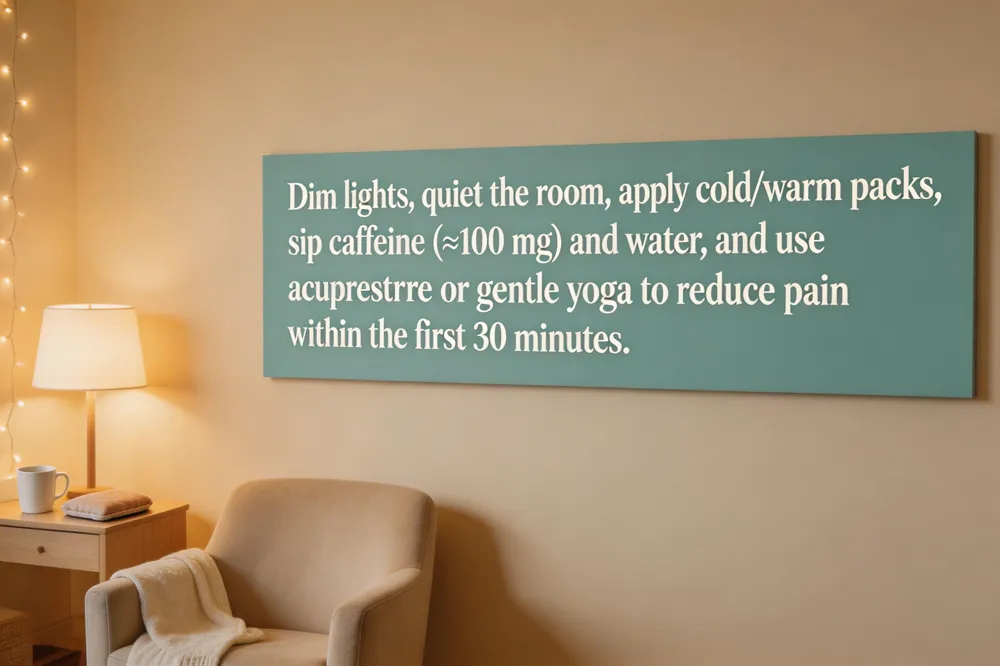 When a migraine begins, the fastest way to gain relief is to change your environment instantly. Dim the lights, close the curtains, and turn off noisy appliances; a dark, quiet room reduces sensory overload that intensifies pain. Apply a cold pack or ice wrap to the temples or neck for up to 15 minutes, or use a warm compress if muscle tension predominates. A small dose of caffeine—about 100 mg from coffee or tea—taken within the first half‑hour can enhance the effect of acute medication and constrict dilated vessels, but avoid excess to prevent rebound headaches. Hydration is essential; sip water or an electrolyte drink to correct mild dehydration, a common trigger. Simple physical actions such as gentle scalp massage, light yoga stretches, or pressing acupressure points (LI‑4 between thumb and index finger, GB‑20 at the base of the skull) can release tension and activate the relaxation response. If you tolerate it, an over‑the‑counter NSAID or acetaminophen may be taken according to physician guidance. Should pain persist beyond two hours, contact your headache specialist for further evaluation. Implementing these steps promptly can shorten attack duration and reduce the need for additional medication.
Mind‑Body Practices for Pain and Stress
 Introduction
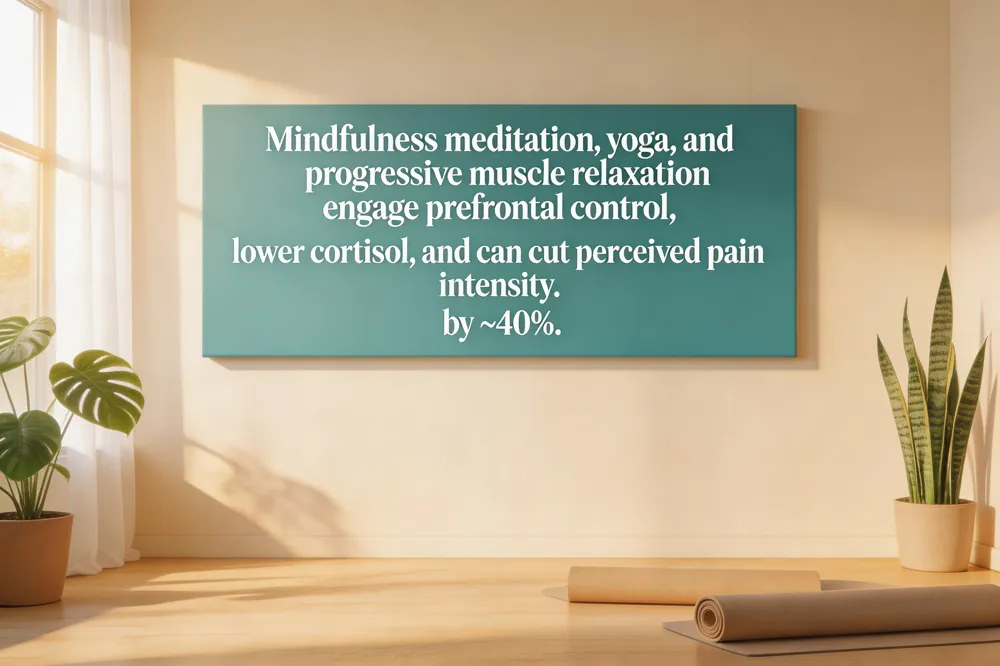
Mind‑body practices such as mindfulness meditation, yoga, and progressive muscle relaxation have strong evidence for lowering pain and stress. The body‑scan mindfulness method, popularized by Jon Kabat‑Zinn, trains the brain to notice sensations without judgment, engaging the orbitofrontal cortex and anterior insula to dampen nociceptive signals. Other styles, including loving‑kindness and open‑monitoring, also enhance prefrontal control and reduce limbic reactivity. Quick breathing—like a 4‑second inhale and 6‑second exhale—activates the parasympathetic system, lowers cortisol, and eases neck‑shoulder tension. Simple grounding techniques (feeling feet, naming objects, counting backward) shift attention away from pain. Studies of Buddhist monks and controlled trials show regular mindfulness reduces thalamus and somatosensory activation during pain, cutting perceived intensity by about 40 %.
Introduction
Mind‑body practices such as mindfulness meditation, yoga, and progressive muscle relaxation have strong evidence for lowering pain and stress. The body‑scan mindfulness method, popularized by Jon Kabat‑Zinn, trains the brain to notice sensations without judgment, engaging the orbitofrontal cortex and anterior insula to dampen nociceptive signals. Other styles, including loving‑kindness and open‑monitoring, also enhance prefrontal control and reduce limbic reactivity. Quick breathing—like a 4‑second inhale and 6‑second exhale—activates the parasympathetic system, lowers cortisol, and eases neck‑shoulder tension. Simple grounding techniques (feeling feet, naming objects, counting backward) shift attention away from pain. Studies of Buddhist monks and controlled trials show regular mindfulness reduces thalamus and somatosensory activation during pain, cutting perceived intensity by about 40 %.
Meditation styles and their impact on pain pathways Mindfulness‑based techniques (body‑scan, focused attention, open‑monitoring) modulate pain by altering activity in brain regions such as the orbitofrontal cortex, subgenual anterior cingulate, and right anterior insula. These changes promote top‑down inhibition of nociceptive signals and decrease emotional amplification of pain.
Quick breathing and grounding techniques Diaphragmatic breathing (4‑second inhale, 2‑second hold, 6‑second exhale) and grounding exercises (feet on floor, 5‑object naming, backward counting) quickly engage the relaxation response, lowering heart rate and cortisol, and providing immediate relief from stress‑related migraine triggers.
Evidence from Buddhist monks and scientific studies Neuroimaging of experienced monks shows reduced thalamic and somatosensory activation during painful stimulation, while clinical trials report 40 % reductions in pain intensity and 57 % reductions in unpleasantness after brief mindfulness training. These findings support the opioid‑independent mechanisms of mindfulness‑induced analgesia.
Best meditation for pain relief The most effective meditation for pain relief is the body‑scan mindfulness practice championed by Jon Kabat‑Zinn. By slowly directing attention to each part of the body—starting with the feet and moving upward—while observing sensations without judgment, you learn to recognize pain as a transient experience rather than a threat. Research from Harvard Medical School and multiple clinical studies shows that regular body‑scan practice can lower pain intensity, reduce emotional distress, and even produce lasting changes in brain regions that modulate pain. Aim for a daily 45‑minute session, or start with a 10‑minute guided version, keeping the focus on breath‑linked awareness rather than trying to “eliminate” the discomfort. With consistent, non‑judgmental practice, many patients report a calmer relationship to chronic pain and an improved ability to manage it alongside medical treatments.
How to reduce stress and anxiety immediately Take a slow, deep breath, filling your belly with air, hold for a couple of seconds, then exhale slowly and completely—repeating this diaphragmatic breathing for 30 seconds activates the body’s calm‑down response. Follow the breath with a few gentle stretches, such as rolling your shoulders, tilting your head, and opening your jaw, to release tension stored in the neck and shoulders. Visualize a soothing scene—like a calm beach or a quiet forest—while continuing to breathe, engaging your mind’s relaxation pathways. Reach out briefly to a trusted friend or family member, even a quick text, to gain perspective and emotional support. Finally, shift your focus to a small, doable task or set a brief “me‑time” activity (like a short walk) to regain a sense of control and interrupt the stress cycle.
How do Buddhist monks reduce pain? Buddhist monks use mindfulness meditation to change the way they experience pain, focusing attention on the present moment without judgment. By observing sensations with curiosity rather than reacting with fear or resistance, they reduce the emotional amplification that intensifies discomfort. Neuroimaging studies show that this practice down‑regulates activity in brain regions that process pain signals while strengthening prefrontal control and emotional regulation networks. The resulting shift in attention and appraisal can diminish the perceived intensity of pain even without medication. In this way, monks achieve a self‑directed, opioid‑free relief that complements conventional chronic‑pain treatments.
Mindfulness for pain management pdf You can download free, evidence‑based PDFs that teach mindfulness techniques for chronic‑pain relief, such as the Stanford Pain Management Center’s “Mindfulness‑Based Stress Reduction (MBSR) Home Practice Workbook” and the TAPMI “Chronic Pain Self‑Management” booklet, both of which include guided breathing, body‑scan, and mindful‑yoga exercises. The Stanford workbook is available at https://med.stanford.edu/content/dam/sm/pain/documents/mindful-yoga-resources.pdf, while the TAPMI resource can be accessed at https://tapmipain.ca/Adult%20Self-Management%20Resource%20Booklet.pdf. These PDFs provide step‑by‑step instructions, audio‑link recommendations, and printable worksheets that you can use at home or in our clinic’s pain‑management programs. Integrating these mindfulness practices into your daily routine can reduce pain intensity, lower medication use, and improve overall well‑being. If you need additional support, the California Pain Institute can help you personalize a mindfulness plan and answer any questions about the materials.
How to relieve stress quickly Quick stress relief can start with a few moments of deep, slow breathing or a short mindfulness meditation to calm your nervous system. Move your body—take a brisk walk, stretch at your desk, or do a quick hand or foot massage—to release tension‑boost endorphins. Listening to soothing music or stepping outside for sunlight can instantly lift your mood and reset your thoughts. Connect with a friend or family member for a brief supportive chat, as social connection reduces mental pressure. Finally, sip a cup of herbal tea and practice a simple grounding exercise, like counting backward from ten, to regain focus and calm in just a few minutes.
Lifestyle Foundations for Long‑Term Migraine Control
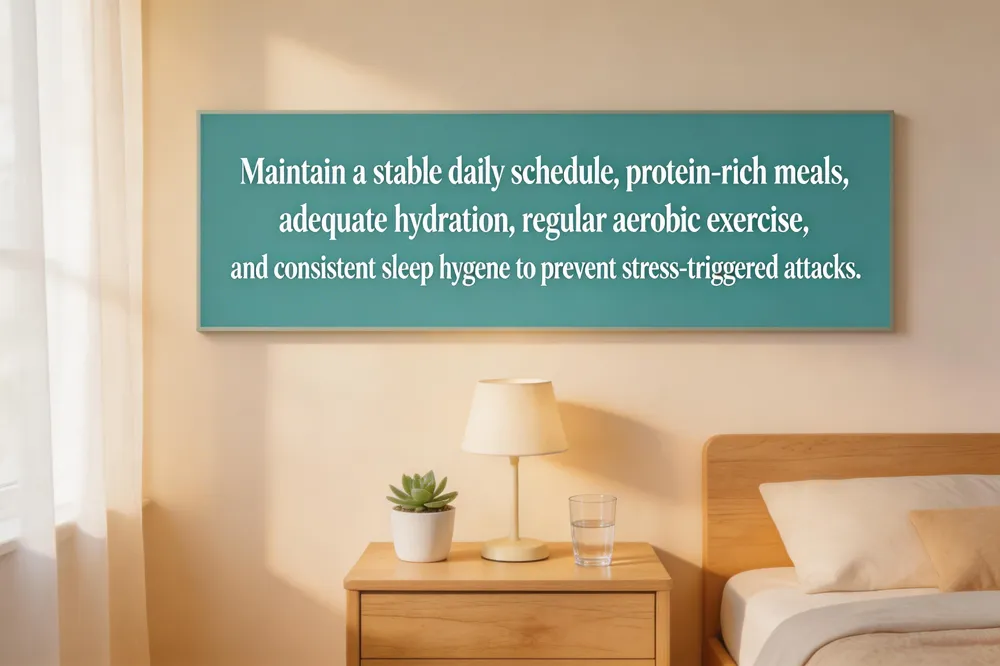 A stable daily schedule is the cornerstone of migraine prevention. Wake, eat, and go to bed at the same times each day; keep a dark, quiet bedroom and avoid screens, caffeine, and heavy meals within two hours of sleep. Consistent sleep reduces hormonal swings that can trigger attacks.
Nutrition and hydration further stabilize the nervous system. Aim for a protein‑rich breakfast within 30‑60 minutes of waking and repeat protein every 3‑4 hours to prevent blood‑sugar dips. Drink at least 64 oz (≈2 L) of water daily and avoid prolonged fasting; a headache diary can help pinpoint personal food triggers.
Regular aerobic activity lowers stress hormones and improves vascular health. Start with 20‑30 minutes of low‑impact exercise (walking, gentle cycling, yoga) five days a week, gradually increasing duration as tolerated.
How to prevent stress migraines – Keep your routine stable, prioritize tasks, set clear boundaries, and schedule short breaks for movement or relaxation. Practice good sleep hygiene, stay hydrated, eat balanced meals, and use deep‑breathing or mindfulness to lower cortisol.
How to prevent a migraine when you feel it coming on – Take your acute medication early, retreat to a dark quiet room, apply a cold or warm pack, sip a small amount of caffeine if tolerated, hydrate, have a light snack, and practice slow breathing or gentle stretching.
5 tips to reduce stress – 1) Move daily (walk, garden, light cardio); 2) Practice mindfulness or guided meditation; 3) Eat a balanced diet rich in fruits, vegetables, and whole grains while limiting caffeine and alcohol; 4) Maintain supportive social connections; 5) Learn to say “no” and protect personal downtime.
Behavioral Therapies, Professional Support, and Medication Integration
 CBT, Biofeedback, and Telemedicine
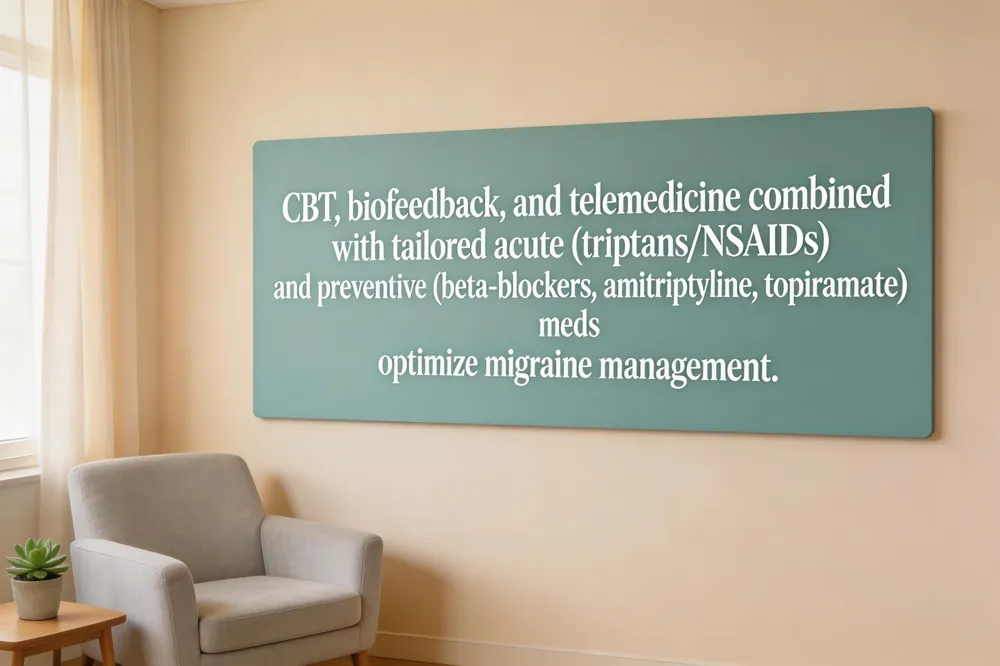
Cognitive‑behavioral therapy (CBT) teaches patients to recognize and reframe stress‑related thoughts, reducing migraine frequency by up to 30% in trials. Biofeedback—especially thermal and electromyographic training—helps patients gain voluntary control over muscle tension and skin temperature, lowering stress‑induced attacks. Video telemedicine visits eliminate travel‑related stress, allow clinicians to assess home ergonomics, and provide real‑time lifestyle counseling, as endorsed by Mount Sinai and the California Pain Institute.
Tailored Medication Regimens for Stress‑Triggered Attacks
Acute relief typically involves a triptan (e.g., sumatriptan) or an NSAID such as naproxen taken at the first sign of pain. For frequent stress‑linked migraines, preventive options include beta‑blockers (propranolol), tricyclic antidepressants (amitriptyline), or anti‑seizure agents (topiramate), which stabilize pain pathways. Lifestyle adjuncts—regular sleep, hydration, aerobic exercise, and mindfulness—enhance medication effectiveness.
Role of Pain‑Medicine Specialists and Interdisciplinary Care
Headache specialists at clinics like the California Pain Institute or Beverly Hills Migraine and Pain Management Institute create individualized plans that combine pharmacologic therapy with CBT, biofeedback, yoga, and diet counseling. This multidisciplinary approach improves outcomes versus generic care.
Key Q&A
- Stress migraine medication: Use acute triptans/NSAIDs plus preventive beta‑blockers, amitriptyline, or topiramate, integrated with CBT and relaxation.
- Stress migraine relief: Keep a headache diary, schedule short movement/relaxation breaks, maintain sleep hygiene, and seek specialist‑guided medication if needed.
- How to relieve stress for a woman/man: Regular aerobic activity, balanced nutrition, daily mindfulness (deep breathing, meditation), strong social support, clear boundaries, and consistent sleep.
- How long do stress migraines last: Typically 4 hours to 3 days; prolonged attacks (>72 hours) require urgent care.
Putting It All Together for Sustainable Migraine Control
A sustainable migraine plan blends daily stress‑reduction habits with consistent lifestyle basics. Begin each morning with a protein‑rich meal and a brief mindfulness or deep‑breathing session to stabilize blood sugar and calm cortisol spikes. Schedule regular aerobic activity (30 minutes, five days a week) and short, frequent breaks for gentle stretching or progressive muscle relaxation. Keep a simple headache diary to link stress patterns, sleep, meals, and trigger, and use it to refine your routine. When migraine frequency exceeds four days per month, attacks become disabling, or you notice medication overuse, seek a pain‑medicine specialist. The California Pain Institute offers personalized care—telemedicine visits, interdisciplinary counseling, biofeedback, and targeted injections—integrating medical treatment with the stress‑management strategies outlined above. Early professional guidance can tailor therapies to your unique triggers and improve long‑term outcomes.