Understanding Neuropathy and Its Impact
Peripheral neuropathy is a disorder of the nerves outside the brain and spinal cord; it affects roughly 2–3 % of U.S. adults and up to 7 % of people over age 45. The condition can result from diabetes, alcohol misuse, vitamin B12 deficiency, autoimmune disease, chemotherapy, infections, toxins, genetic mutations, or trauma. Typical sensory symptoms include tingling, “pins‑and‑needles,” burning or shooting pain, and numbness in a stocking‑glove pattern, while motor signs may involve weakness, cramps, and balance problems; autonomic involvement can cause blood‑pressure swings or abnormal sweating. Because neuropathy often stems from systemic illnesses and presents with diverse pain mechanisms, a trusted multidisciplinary team—neurologists, pain specialists, physical therapists, podiatrists, nutritionists, and mental‑health professionals—ensures that underlying causes are identified, evidence‑based medications and interventional therapies are coordinated, and lifestyle and safety measures are integrated for optimal functional and. quality‑of‑life outcomes.
Accurate Diagnosis and Preparing for Your Appointment
 A thorough medical history and focused neurological exam are the foundation of peripheral neuropathy evaluation. Clinicians then order targeted blood work (glucose, vitamin B12, thyroid, inflammatory markers), imaging such as MRI/CT, and nerve conduction studies (EMG, NCS) to locate and characterize nerve damage. When the diagnosis remains unclear, a skin or nerve biopsy may be performed for definitive pathology. Patients should arrive with a symptom diary documenting onset, intensity, triggers, and daily functional impact, and bring a list of current medications, supplements, and specific questions for the specialist.
What can I do to prevent neuropathy in my feet? Control blood‑sugar and blood‑pressure, eat a B‑vitamin‑rich diet, limit alcohol, quit smoking, maintain healthy weight, exercise regularly, wear proper footwear, and schedule routine foot inspections with a pain‑medicine provider.
UCLA pain management clinics – Downtown Los Angeles (700 W 7th St., S270‑D, 213‑988‑8380), Encino (15503 Ventura Blvd., 818‑783‑0004), North Hollywood (4343 Lankershim, 818‑980‑8258), Santa Monica (1245 16th St., 310‑794‑1841), Torrance (3500 Lomita Blvd., 310‑517‑8578).
Pain management Beverly Hills – California Pain Institute, Cedars‑Sinai Pain Management, Interventional Pain Doctors, Dr. James A. Nassiri’s practice; offer medication optimization, injections, regenerative therapies, spinal‑cord stimulation, and multidisciplinary rehabilitation. Call or book online for appointments.
Core Treatment Goals and Lifestyle Foundations
 Effective management of peripheral neuropathy starts with treating the underlying disease—diabetes, vitamin B12 deficiency, toxic exposures, or autoimmune disorders. When a specific cause cannot be identified, clinicians may adopt a watchful waiting approach, monitoring symptoms while avoiding unnecessary medication. Lifestyle foundations are essential: daily foot inspections, regular aerobic or low‑impact exercise, smoking cessation, limiting alcohol, and a balanced diet rich in nutrients and weight control.
Treatment for neuropathy in legs and feet
Address the trigger (e.g., tighten glucose, replace B12) and use pain‑relieving agents such as gabapentin, pregabalin, duloxetine, amitriptyline, or topical lidocaine/capsaicin. Physical therapy and supportive footwear enhance function.
Home‑remedy options
Warm Epsom‑salt foot soaks, brief cold packs, low‑impact walking or swimming, cushioned shoes, and OTC lidocaine or menthol creams provide temporary relief.
Prevention tips for foot neuropathy
Control blood sugar and pressure, eat a diet high in B‑vitamins and antioxidants, avoid alcohol and smoking, maintain healthy weight, exercise regularly, wear proper shoes, and schedule periodic podiatric examinations. Collaborating with a pain‑medicine specialist, podiatrist, and physical therapist ensures personalized monitoring and early intervention.
Medication Strategies for Neuropathic Pain
 Neuropathy medication focuses on relieving nerve pain while treating any underlying cause. First‑line anti‑seizure agents such as gabapentin and pregabalin block pain signals and are usually started at low doses and titrated upward. Antidepressants—duloxetine (an SNRI) and tricyclics like amitriptyline—enhance pain‑modulating neurotransmitters and are effective for many patients. Topical lidocaine patches or 8% capsaicin creams provide localized relief with minimal systemic exposure. Over‑the‑counter NSAIDs (ibuprofen, naproxen) and acetaminophen can help mild symptoms but often fall short for neuropathic pain. Opioids or tramadol are reserved for severe, refractory pain after other options have failed, given their risk of dependence and side‑effects.
Pain management doctors in Los Angeles, such as those at the California Pain Institute, combine medication, interventional procedures, and lifestyle counseling for comprehensive care. Cedars‑Sinai’s Pain Center offers multidisciplinary, evidence‑based treatment plans, while UCLA Health pain team provides board‑certified physicians across multiple LA locations, delivering diagnostics, pharmacotherapy, and advanced interventions tailored to each patient.
Interventional and Regenerative Therapies
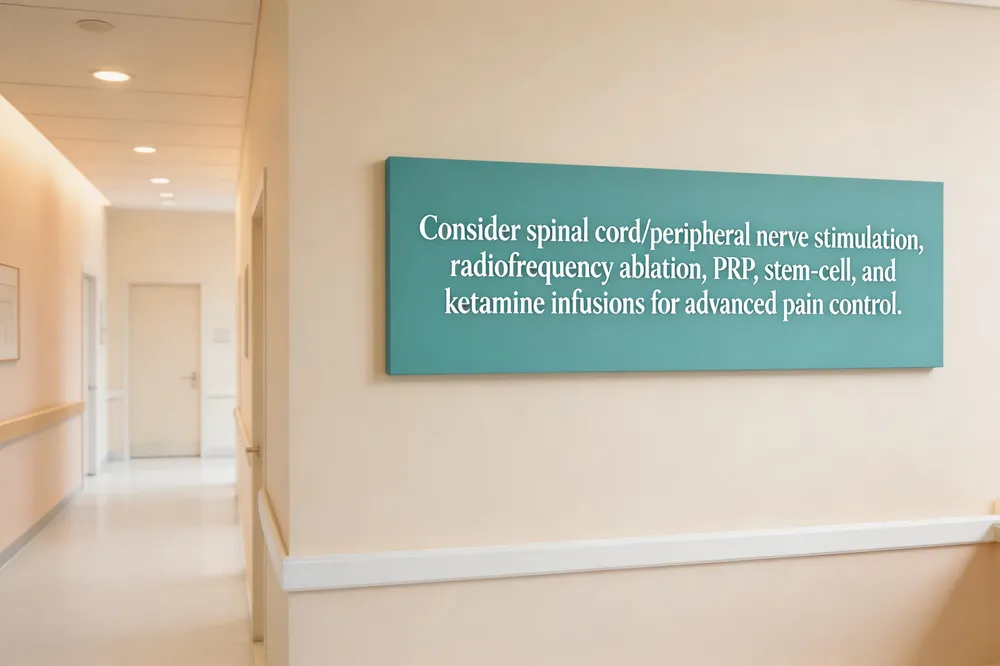 Modern neuropathy care blends neuromodulation, targeted injections, and regenerative medicine. Spinal cord stimulation and peripheral nerve stimulation deliver low‑level electrical pulses to interrupt pain signals, while radiofrequency ablation, nerve blocks, and epidural steroid injections reduce inflammation and deactivate pain‑generating fibers. Regenerative options such as platelet‑rich plasma (PRP), stem‑cell therapy, and ketamine infusions aim to promote nerve healing and reset abnormal pain pathways. Specialized clinics in Los Angeles provide these services: the California Pain Institute and Cedars‑Sinai Pain Management in Beverly Hills offer comprehensive medication management, epidural injections, and neuromodulation implants. In Torrance, the Torrance Memorial Physician Network Pain Management clinic delivers radiofrequency ablation, nerve blocks, and ketamine infusions, while the California Pain Institute’s Torrance location focuses on neuropathy with injections, physical therapy, and orthotics. The Pain & Wellness Center integrates acupuncture, massage, and nutrition counseling for a holistic approach. For local holistic care, the California Pain Institute’s integrative team includes acupuncturists, chiropractors, and dietitians. Pacific Pain Clinic in Irvine, led by Dr. Cyrus Sedaghat, provides interventional and conservative treatments for back, neck, and joint pain, with flexible office hours and broad insurance acceptance.
Complementary Therapies, Supplements and Preventive Care
 [Acupuncture, yoga, and meditation] to./7-essential-specialist-care-benefits-for-chronic-pain-patients#5-incorporation-of-evidence-based-alternative-therapies) are often incorporated into neuropathy care to reduce pain and improve function. Acupuncture stimulates endogenous opioids and blood flow, while yoga and meditation promote relaxation, lower cortisol levels, and enhance balance and flexibility.
Key supplements with emerging evidence include alpha‑lipoic acid, acetyl‑L‑carnitine, vitamin D, and B‑complex vitamins. Alpha‑lipoic acid and acetyl‑L‑carnitine may support mitochondrial function and nerve regeneration; vitamin D and B‑vitamins address deficiencies that can worsen neuropathic symptoms.
Lifestyle measures are essential: daily foot inspections, regular low‑impact exercise (walking, swimming, tai chi), a balanced diet rich in fruits, vegetables, whole grains, and lean protein, smoking cessation, limited alcohol, and tight blood‑sugar control for diabetics. These steps help prevent ulceration, maintain nerve health, and slow disease progression.
What is the emotional cause of neuropathy? Chronic stress triggers cortisol and adrenaline release, leading to inflammation, reduced nerve blood flow, and sympathetic over‑activation, which can aggravate neuropathic pain and weakness.
Best pain management doctors in Los Angeles include Dr. Hayley Osen and Dr. Najmeh P. Sadoughi (UCLA Health), Dr. Laura G. Audell (Cedars‑Sinai), and Dr. Faisal Lalani & Dr. Nadiv Y. Samimi (Pain & Healing Institute)([https://painandhealing.com/]), all renowned for personalized, multimodal care.
Pain & Wellness Center: The California Pain Institute offers an integrative program combining medication, interventional procedures, physical therapy, acupuncture, massage, nutrition, and psychological support to reduce opioid reliance and improve quality of life.
Holistic pain management near me: California Pain Institute in Los Angeles provides a team‑based approach with acupuncturists, chiropractors, massage therapists, and nutritionists, offering same‑day appointments and comprehensive, patient‑centered care.
Patient Experiences, Home Strategies and Emotional Health
 I was diagnosed with peripheral neuropathy caused by vitamin B12 deficiency and uncontrolled diabetes. Working with a pain specialist, I began B12 injections, a low‑carb, sugar‑controlled diet, quit smoking, limit alcohol, and added daily walking. A low dose of gabapentin eased lingering pain, and prescription capsaicin cream reduced burning. Within weeks symptoms improved; after months they largely resolved, and I keep regular follow‑ups.
At home, I soothe foot pain by soaking in warm Epsom‑salt water for 10‑15 minutes, applying brief cold packs, and using supportive shoes or compression socks. Low‑impact exercise, topical lidocaine or menthol gels, and gentle stretching maintain circulation.
Chronic stress can worsen neuropathy by increasing cortisol and inflammation, which damages nerves. Relaxation, mindfulness, and counseling help break this cycle.
Seek immediate care if you develop sudden weakness, severe burning, loss of sensation, or autonomic signs such as blood‑pressure drops or unexplained swelling.
Emerging Therapies and Future Directions
 Non‑opioid drug development is key to neuropathy care. New compounds that modulate inflammatory signaling and neuronal excitability aim to relieve pain without sedation or addiction. Photobiomodulation, extracorporeal shockwave therapy, and pulsed electromagnetic field (PEMF) have shown significant pain reduction and sensory improvement in trials, offering drug‑free options. Capsaicin patches (8 %) provide localized analgesia by desensitizing TRPV1 receptors and are approved for painful peripheral neuropathy.
The most effective treatment starts with correcting the underlying cause—tight glucose control, vitamin repletion, or stopping neurotoxic agents—followed by a regimen that includes gabapentinoids, duloxetine or amitriptyline, topical lidocaine or capsaicin, physical therapy, and lifestyle changes. Foot‑specific options add non‑opioid agents, peripheral nerve blocks, spinal cord stimulation, and regenerative therapies such as platelet‑rich plasma.
Latest advances focus on non‑opioid drugs that modulate endogenous analgesic pathways, shifting therapy from symptom masking to disease‑modifying mechanisms. Strategies—light therapy, shockwave, PEMF, TENS, chiropractic care, and supplements like alpha‑lipoic acid, benfotiamine, and omega‑3—when combined in plan, yield superior outcomes.
Your Path Forward Toward Relief
A thorough evaluation is the foundation of effective neuropathy care—history, neurological exam, blood work, imaging, EMG/NCS, and, when needed, skin or nerve biopsy help pinpoint the cause and severity. Treatment is multimodal: addressing the underlying disease (tight glucose control, vitamin re), pharmacologic pain relief (gabapentin, pregabalin, duloxetine, tricyclics, lidocaine patches), interventional options (nerve blocks, radiofrequency ablation, spinal cord or peripheral nerve stimulation), and complementary modalities such as TENS, acupuncture, and evidence‑based supplements. You deserve a pain‑medicine specialist who combines these tools with a compassionate, patient‑centered approach—clinics in Los Angeles, such as the California Pain Institute, UCLA Health, and Advanced Pain Medical Group, offer precisely this expertise. Finally, ongoing self‑care—daily foot checks, regular low‑impact exercise, balanced nutrition, smoking cessation, and tracking symptom changes—empowers you to monitor progress, catch complications early, and sustain the benefits of any treatment plan.