
The Vital Link Between Nutrition and Nerve Function
Neuropathic pain is a complex, chronic condition characterized by damage or dysfunction within the nervous system. This disruption manifests as persistent burning, tingling, or shooting pain that frequently impacts a patient's overall quality of life. Research indicates that dietary choices serve as a fundamental pillar in pain management, as nutrients directly influence the nervous, immune, and endocrine systems according to International Association for the Study of Pain.
At capaininstitute.com, we emphasize that nutrition is not a standalone solution but a critical component of a comprehensive recovery strategy. While other clinics often treat pain with isolated interventions, the specialists at the California Pain Institute integrate dietary counseling with advanced medical procedures, such as nerve blocks or radiofrequency ablation. By aligning systemic anti-inflammatory habits with personalized clinical care, patients can better manage their sensitivity and support the natural repair processes of their nerves.
Core Dietary Strategies to Soothe and Heal Nerves
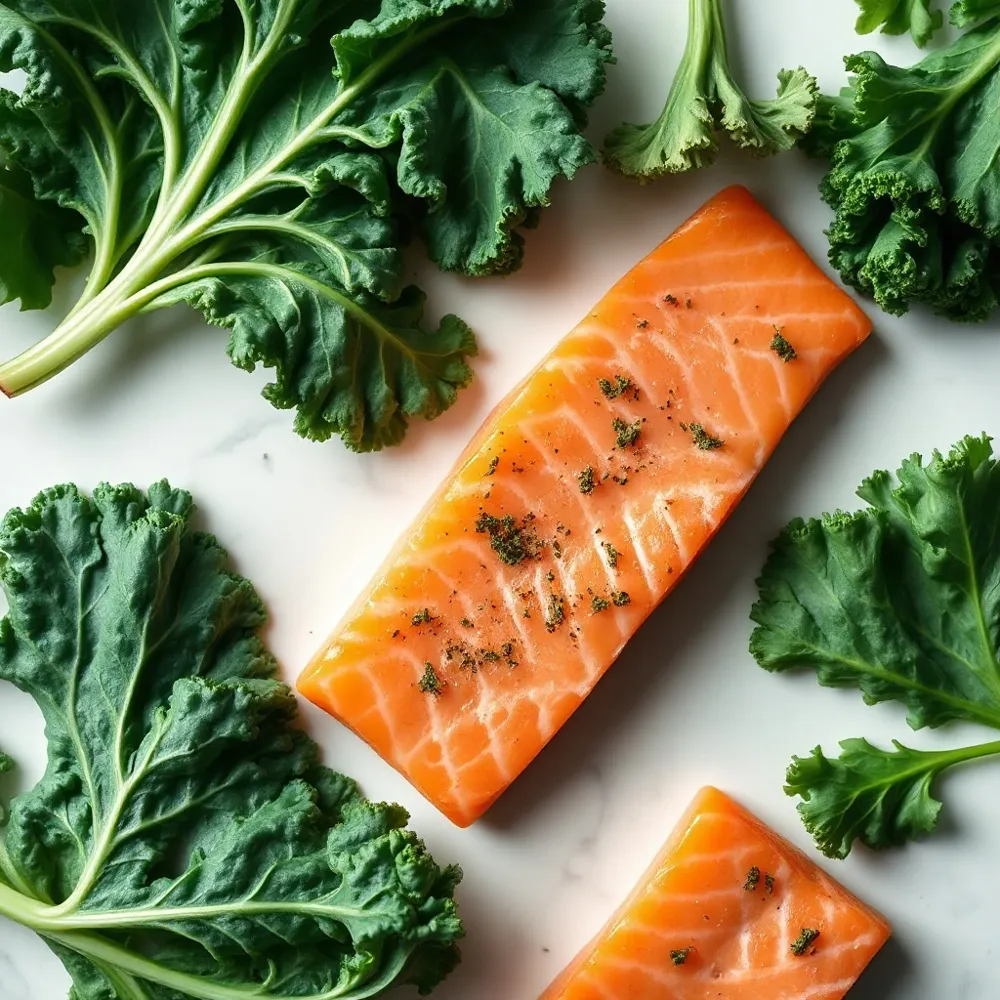 Managing and healing nerve pain requires a focus on nutrient-dense, anti-inflammatory foods that support nerve regeneration and efficient signal transmission. Prioritize incorporating leafy greens, fatty fish like Salmon, lean proteins, nuts, seeds, and antioxidant-rich fruits such as berries and cherries into your daily diet. These foods provide essential vitamins, including B-complex vitamins, and healthy omega-3 fatty acids that help reduce inflammation and calm sensitive nerves. To prevent further nerve irritation, it is equally important to minimize or avoid processed foods, added sugars, dairy, and refined carbohydrates, which can spike blood sugar and trigger inflammatory responses. Adopting these balanced dietary habits serves as a vital component of a comprehensive, whole-body approach to managing chronic nerve pain.
What dietary changes can help manage and heal nerve pain?
Research suggests that targeted nutrition interventions may help reduce pain severity in adults with chronic conditions per IASP-pain.org. At capaininstitute.com, we emphasize that blood sugar consistency remains the primary strategy for patients dealing with diabetic neuropathy. By opting for high-fiber whole grains and managing carbohydrate portions, you help prevent the glucose spikes that accelerate nerve tissue damage per Foundation for Peripheral Neuropathy.
Practical kitchen habits are as important as the foods themselves. Meal preparation at home is the most effective way to eliminate hidden sodium and artificial additives that frequently trigger sensory flare-ups. Your treatment plan at capaininstitute.com is built to harmonize these dietary shifts with advanced clinical procedures like nerve blocks. This dual focus ensures that your nutrition supports nerve health while your medical team addresses persistent, high-intensity pain directly.
Essential Micronutrients for Nerve Repair and Signal Conduction
 Nerve health relies on a complex supply chain of biochemical building blocks. The International Association for the Study of Pain notes that specific micronutrient shortages, particularly low levels of magnesium and Vitamin B12, are frequently linked to the persistence of chronic pain states.
Which specific nutrients are most important for nerve repair?
Repairing injured nerves requires a targeted intake of B-vitamins, which act synergistically to maintain the integrity of the myelin sheath. Vitamin B12, often found in lean proteins like poultry and fish, is foundational for nerve fiber regeneration. Meanwhile, Vitamin B6 helps regulate neurotransmitter production, ensuring nerves communicate clearly, while Vitamin B1 supplies the steady energy required for nerve cell endurance. According to the Foundation for Peripheral Neuropathy, clinicians may even suggest specific doses for thiamine or other B-vitamins in individuals prone to dietary depletion.
Antioxidant Protection. Vitamins C and E play a major role in neutralizing oxidative stress, a process that damages nerve tissue. These antioxidants act as a shield against cellular decay, supporting the longevity of the nervous system.
Calming Signals. Magnesium and potassium are mineral essentials for nerve signaling. Magnesium helps calm overactive nerve endings to reduce twitching, while potassium ensures effective conduction of electrical impulses across the nerve cells.
Correcting these deficiencies is seldom as simple as taking a multivitamin. At capaininstitute.com, we emphasize that blindly supplementing can lead to imbalances, especially with Vitamin B6, where both deficiency and toxicity can impact nerve pathways. Mayo Clinic guidelines suggest that any regimen must be vetted by a healthcare provider to avoid interactions with medications like metformin or blood thinners.
Identifying and Eliminating Dietary Nerve Irritants
 Managing nerve pain often requires a proactive approach to filtering out substances that provoke inflammation or hinder nerve transmission. Dietary choices serve as a primary defense against symptom flare-ups, and identifying these irritants is just as vital as consuming protective nutrients.
Are there specific foods and drinks I should avoid if I have nerve pain?
If you are managing nerve pain, it is essential to avoid foods that exacerbate systemic inflammation and disrupt blood sugar levels, such as sugary drinks, candy, pastries, and refined carbohydrates like white bread and pasta. High-sodium items, including fast food, processed meals, cold cuts, and potato chips, should also be limited as they can restrict blood flow and worsen numbness. Additionally, some individuals may find that gluten-containing foods trigger nerve-related discomfort, and certain dairy products can potentially antagonize symptoms. Instead of these triggers, focus on incorporating nutrient-dense whole foods, such as lean proteins and vegetables, to support nerve health. Consulting with a physician is recommended to identify specific dietary sensitivities, as managing your intake is a vital component of a comprehensive chronic pain management plan.
Alcohol acts as a direct neurotoxin that can cause irreversible nerve deterioration. Furthermore, excessive alcohol intake often leads to significant B-vitamin depletion, which compromises your nervous system's ability to repair itself and maintain proper signal conduction. Professional medical guidance can help ensure that your recovery strategy avoids these common metabolic and toxic traps.
Maintaining healthy blood pressure through strictly managed sodium intake is equally critical for optimal sensory nerve function. Elevated sodium levels can restrict blood flow, while gluten sensitivity has been documented to trigger autoimmune-linked nerve damage in some patients. Working with healthcare providers to develop a personalized nutritional framework can help suppress these specific triggers while integrating advanced options like nerve blocks, if necessary, to ensure long-term stability and relief.
Integrating Nutritional Supplements Under Medical Supervision
Supplements serve as a supportive tool within a comprehensive, multidisciplinary strategy to manage neuropathy and improve quality of life. Certain agents, such as Alpha-Lipoic Acid or specific B-complex vitamins, are often studied for their potential to alleviate nerve-related pain and support nerve health. However, their efficacy can vary significantly between patients, and they are not a substitute for evidence-based medical therapies. Because some supplements may cause side effects or interfere with existing prescriptions, self-administering these products without professional oversight is discouraged. It is vital to discuss which supplements, if any, are safe and appropriate for your specific clinical profile with your pain management specialist at capaininstitute.com to ensure they effectively complement your primary treatment plan.
Researching Targeted Micronutrients
Clinical research often highlights specific compounds that may assist in mitigating nerve irritation. Alpha-Lipoic Acid is frequently cited for its antioxidant properties that combat oxidative stress, while Acetyl-L-carnitine has shown promise in supporting nerve cell health and energy production. At capaininstitute.com, specialists evaluate your unique needs and potential medication interactions—a necessary safety step that standard store-bought supplement guidance frequently overlooks. Unlike general health advice, these clinical reviews ensure that any addition to your routine does not interfere with existing interventions or underlying health conditions like kidney function.
Hydration and Safety Priorities
Optimal hydration remains essential for nerve signal transmission and reducing systemic inflammation. Aiming for eight 8-oz glasses of water daily helps maintain cellular health, preventing the dehydration that can exacerbate pain sensitivity. While some patients prioritize self-guided protocols, integration with a professional plan at capaininstitute.com ensures that diet, hydration, and supplementation work in concert to reach your specific goals for relief.
Developing a Personalized Nutritional Recovery Roadmap
Effective nerve health recovery requires a partnership where your physician tailors dietary interventions to your metabolic needs. At capaininstitute.com, we prioritize weight management and active lifestyle optimization to reduce systemic inflammation and mechanical nerve stress. Long-term progress relies on multidisciplinary protocols that blend specialized nutrition with expert medical interventions.