Introduction
Fibromyalgia is a chronic pain disorder that affects millions of Americans, causing widespread musculoskeletal pain, fatigue, sleep disturbances, and the cognitive “fibro fog.” Its impact reaches beyond physical discomfort, often limiting daily activities, work, and social participation. This article is written for patients of the California Pain Institute and their families, offering a concise, evidence‑based overview of fibromyalgia and the challenges it presents. By highlighting the condition’s prevalence, typical symptom patterns, and the emotional toll it can take, we aim to set the stage for practical, non‑drug management strategies and multidisciplinary support that can improve quality of life.
Stars and Celebrities Share Their Fibromyalgia Journeys
 Lady Gaga revealed in 2021 that she lives with fibromyalgia, a chronic pain disorder that brings widespread muscle tenderness, fatigue, and mood swings. She describes how touring amplified her pain and once used medical to self‑medicate, but now relies on a multidisciplinary regimen of medication, physical therapy, and behavioral support—mirroring the approach offered at the California Pain Institute.
Morgan Freeman, diagnosed after a 2008 car accident left him with chronic nerve pain, experiences persistent joint discomfort. He manages symptoms with a compression glove, regular low‑impact exercise, and a personalized care team that includes pain specialists and physical therapists.
Irish singer Sinead O’Connor openly discusses her fibromyalgia, emphasizing fatigue and the need to recognize personal limits. She advocates for mindfulness and pacing as core self‑care tools.
Reality‑TV star Kyle Richards was diagnosed after years of unexplained aches while caring for her mother. She reports a “warm, tingling” sensation in her neck and shoulders and combines medication, targeted PT, and complementary energy‑based sessions for relief.
There is no credible evidence that singer Pink has fibromyalgia; reputable sources do not list her among diagnosed celebrities.
Former USC volleyball star Kelli Tennant illustrates that even elite athletes can be affected; her early diagnosis and multidisciplinary treatment enabled a return to activity after a career‑ending flare‑up.
Understanding the Pain: Symptoms, Daily Life, and Coping
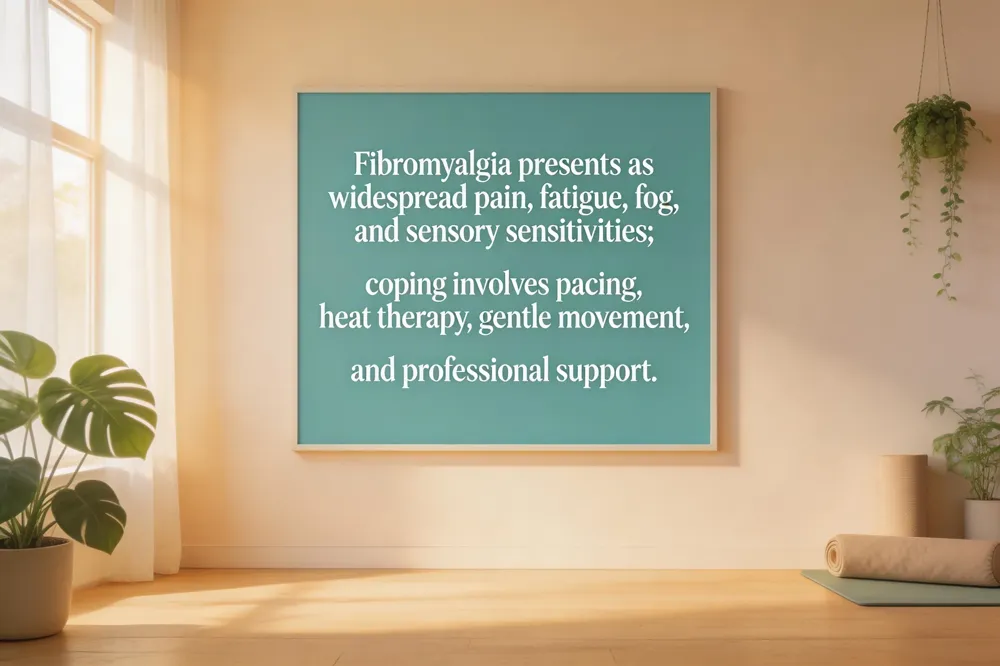 Fibromyalgia feels like a constant, dull ache that spreads across both sides of the body, often shifting to burning, throbbing, or sharp stabbing sensations. Light touches or everyday activities can trigger pain (allodynia), making a simple brush of clothing feel painful. This pain is accompanied by deep, unrefreshing fatigue, "fibro fog," and heightened sensitivity to temperature, noise, and odors, as described in multiple patient narratives on the MoreGoodDays® program and the National Fibromyalgia Association resources.
A typical day begins with stiff, achy joints and a lingering headache that makes rising from bed feel impossible. Mid‑morning chores can spark waves of fatigue and dizziness, so patients rely on gentle movement, heat therapy, and pacing—breaking tasks into short, manageable intervals. Social and work obligations become a balancing act, often leading to feelings of guilt or isolation when pain is invisible to others.
When pain spikes beyond manageable levels, a brief pause, heat (warm shower or bath), and a quick activity diary can help identify triggers. If the flare persists or disrupts sleep, work, or mood, contacting a pain‑medicine physician for treatment adjustments is essential.
Warm showers provide short‑term relief by increasing blood flow and relaxing muscles; they work best when combined with a comprehensive plan that includes gentle exercise, balanced nutrition, and modalities such as acupuncture or mindfulness, as supported by the California Pain Institute’s multidisciplinary approach.
Quotes can inspire resilience: “Even the darkest night will end and the sun will rise.” – Victor Hugo; “Courage doesn’t always roar; sometimes it’s the quiet voice at the end of the day saying ‘I will try again tomorrow.’” – Mary Anne Radmacher; “Learning’s a gift, even when pain’s your teacher.” – Michael Jordan.
Clinical Insights and Research Advances
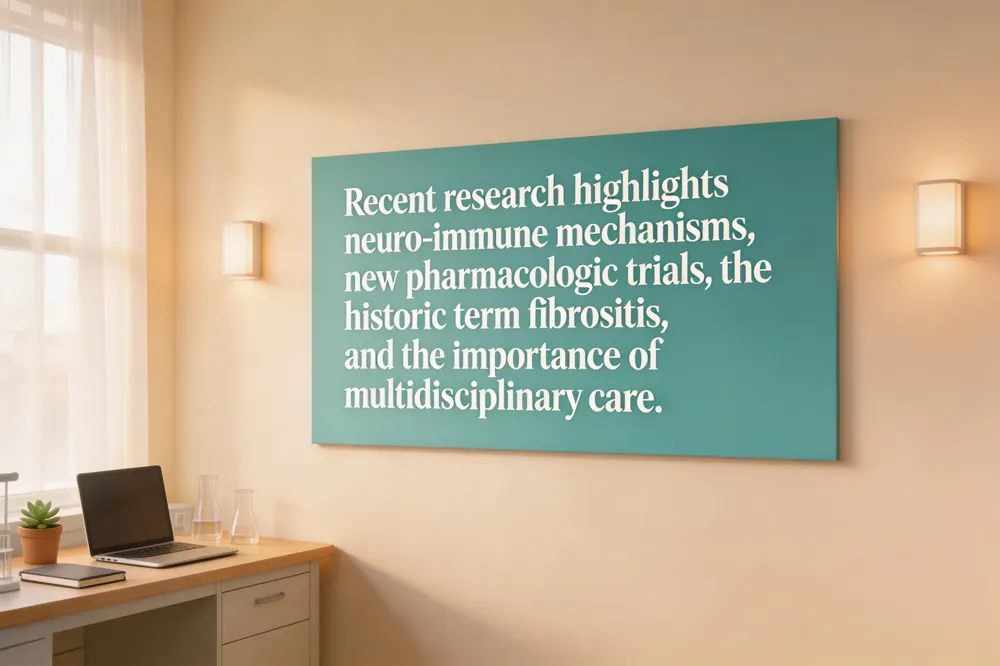 Most recent research on fibromyalgia
Recent studies reveal neuro‑immune markers such as microglial activation and brain‑wide inflammation linking immune cells to pain. A 2021 breakthrough showed that antibodies from fibromyalgia patients cause pain‑sensitivity and fatigue in mice, suggesting an autoimmune component. 2024 saw FDA fast‑track of sublingual cyclobenzaprine (Tonmya) and ongoing trials of intranasal esketamine, both offering short‑term relief. Biomarker and neuroimaging work continues to refine diagnostic criteria.
Old name for fibromyalgia
Historically the condition was called fibrositis (often “muscular fibrositis” or “muscular rheumatism”) before the term fibromyalgia replaced it in the mid‑1970s.
Life expectancy of chronic pain patients
Chronic pain raises mortality risk by ~30 %, shortening pain‑free years. Reduced activity, stress, depression, and comorbidities contribute. Multidisciplinary programs that limit opioids and promote neuroplasticity can improve longevity and quality of life.
Does anyone ever recover from fibromyalgia?
While there is no cure, many achieve substantial improvement or remission through consistent low‑impact exercise, mindfulness, CBT, and appropriate medication. Symptom control can feel like recovery for individuals.
National Fibromyalgia Association
Founded in 1997, the National Fibromyalgia Association provides education, advocacy, support‑group resources, and research funding, partnering with clinics like the California Pain Institute to disseminate evidence‑based guidance.
Support Fibromyalgia network
Now the Fibromyalgia National Health Organization, it offers patient‑led education, health coaching, and community outreach to empower sufferers and clinicians.
Fibromyalgia support groups Zoom
U.S. Pain Foundation runs a daily Zoom group (Mon‑Fri 11 am‑12 pm ET). Southern California’s Fullerton group meets Tuesdays 6 pm PDT and Saturdays 10 am PDT, both facilitated by trained peers.
Fibromyalgia support groups online
National Fibromyalgia Association forums, MyFibroTeam (280 k+ members), and active Facebook/Reddit communities provide safe spaces for sharing; clinical advice should always be verified with a qualified provider.
Success Stories from the California Pain Institute
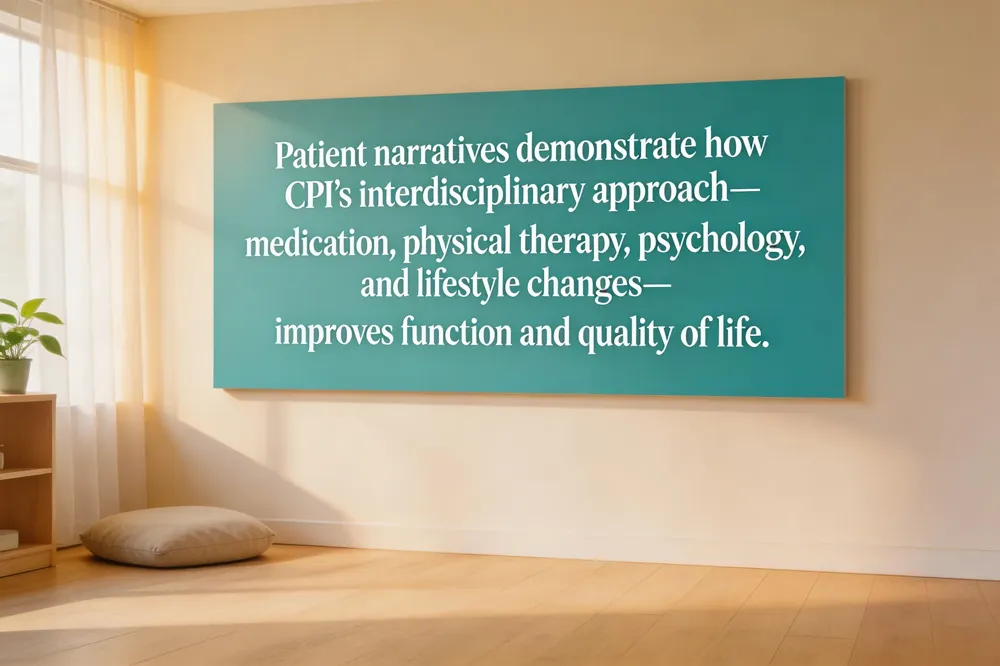 Patients at the California Pain Institute (CPI) illustrate how personalized, interdisciplinary care can transform chronic‑pain lives. Megan H., a 45‑year‑old with scoliosis, disc disease, sciatica, migraines and IBS, found relief after a coordinated program that combined gentle movement, pacing education and pain‑psychology, allowing her to resume family activities and work. Peggy Guill, a retired nurse practitioner with severe osteoporosis‑related back pain, achieved an 80 % reduction in pain after two minimally invasive radiofrequency‑ablation procedures, returning to gardening and daily walks. Tracie, a teen with a non‑cancerous brain tumor, became opioid‑free through a multidisciplinary, non‑narcotic regimen that included nerve blocks, guided imagery and music therapy—demonstrating the power of non‑pharmacologic tools. Arlene Margolis, featured in UAMS stories, regained function after a tailored blend of medication, physical therapy and behavioral health support. Real fibromyalgia journeys—such as Sonja’s participation in MoreGoodDays® and Candace’s diet‑tracking coaching—show that consistent lifestyle changes, mindfulness, and community support reduce flare‑ups and improve mood. Across these narratives, CPI’s patient‑centered model—embracing clinicians, digital programs, and peer networks—provides a hopeful pathway for those living with chronic pain and fibromyalgia.
Conclusion
Stories from Sonja, Martine, Bianca and many others show that small, consistent lifestyle changes—pacing, mindfulness, gentle movement, balanced nutrition and personalized toolkits—can reshape pain perception and improve daily function. Research reinforces that fibromyalgia is a real, central‑sensitization condition best managed with a biopsychosocial, multidisciplinary approach combining non‑drug tools, medication, physical therapy and mental‑health support. Patients who engage with such integrated programs report higher hope, reduced isolation and meaningful symptom relief. If you recognize similar challenges, consider a comprehensive evaluation at the California Pain Institute, where board‑certified specialists collaborate to tailor a personalized plan. Call or visit our website today to start your path toward greater independence and well‑being for you and lasting relief. Take the first step toward a brighter tomorrow.