Why Preparation Matters
Being well‑prepared for your pain‑management visit dramatically improves outcomes. When you bring a complete medication list, recent imaging (X‑ray, MRI, CT), surgical records, and a detailed pain diary, the specialist can quickly pinpoint the pain source and tailor a multimodal plan, reducing trial‑and‑error prescribing. Organizing these documents also shortens appointment time, allowing more discussion of goals and options. Setting realistic expectations—knowing that treatment may involve physical therapy, medication adjustments, injections, or lifestyle changes—helps you stay motivated and measure progress accurately. Clear communication and thorough preparation together create a collaborative environment that maximizes relief and quality of life.
What Not to Say to Your Pain Management Doctor
 Don’t downplay your pain or label it as “just a little discomfort.” Instead, describe the exact intensity (use a 0‑10 scale), location, quality (sharp, burning, achy), and how it limits daily activities. Avoid exaggerating with dramatic language such as “it feels like knives,” because inaccurate descriptions can lead to inappropriate treatment choices. Refrain from demanding specific medications, higher doses, or insisting on opioids; discuss how current therapies are working and ask the doctor’s recommendations. Do not challenge the physician’s expertise or present unverified internet information as fact—show respect and trust in their professional judgment. Finally, avoid mentioning alternative therapies, self‑prescribed plans, or intentions to see other doctors without first consulting your pain‑management specialist.
How Long Is a Pain Management Appointment?
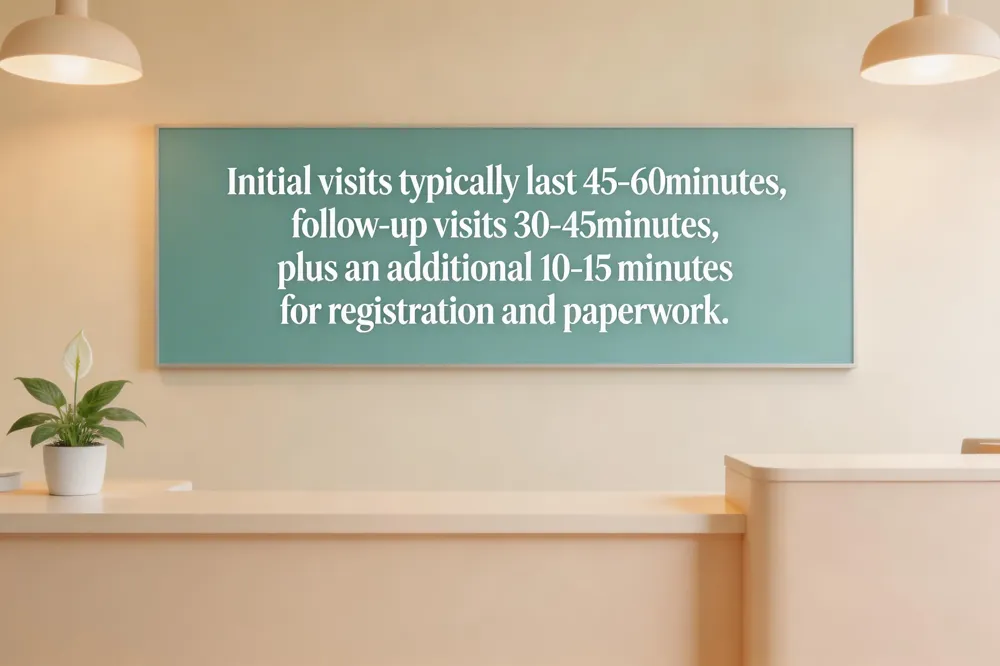 Typical duration for initial vs. follow‑up visits: The first pain‑management appointment usually lasts 45–60 minutes, providing enough time for check‑in paperwork, a thorough review of medical and surgical records, imaging, a medication list, and a detailed physical exam. Follow‑up appointments are often shorter, averaging 30–45 minutes, unless new testing or a procedure is scheduled.
Factors that can extend the appointment: Complex pain histories, multiple comorbidities, the need to discuss a multimodal treatment plan, or the inclusion of diagnostic injections or imaging can add time. Bringing a pain journal, a list of questions, and a support person can streamline the discussion, but extensive documentation may still lengthen the visit.
Time needed for paperwork and testing: Expect an additional 10–15 minutes for registration, insurance verification, and completion of intake forms. Some clinics may perform on‑site labs or drug screening, which can further extend the total time spent at the facility.
Answer to the specific question: A pain‑management appointment usually lasts about an hour. Your initial visit typically runs 45–60 minutes, allowing time for check‑in paperwork, a detailed medical‑history review, and a physical exam. Follow‑up appointments are often a bit shorter, generally 30–45 minutes, unless additional testing or procedures are needed. The exact length can vary based on the complexity of your condition and the treatments being discussed. In most cases, you can expect to spend roughly one hour at the clinic for a comprehensive evaluation.
Preparing for Your Pain Management Appointment
 A successful first visit to a pain‑management specialist starts long before you sit in the exam room.
Gathering medical records and imaging – Collect every relevant document: recent imaging (X‑ray, MRI, CT, nerve‑conduction studies), surgical reports, previous pain‑clinic notes, and a complete medication list that includes prescriptions, over‑the‑counter drugs, vitamins, supplements, and any herbal remedies. Having these items on hand lets the physician review your history in one session and reduces the chance of missed information.
Creating a pain diary and timeline – For at least one week before the appointment, record your pain each day. Note the location, intensity on a 0‑10 scale, quality (sharp, burning, achy, etc.), triggers, relieving factors, and how pain affects sleep, work, and leisure. Summarize this data into a concise timeline that highlights when the pain began, any injuries or surgeries, and changes over time. This diary becomes a powerful communication tool and helps the specialist pinpoint patterns.
Formulating questions and bringing a support person – Write down a short list of questions you want answered, such as: What are the realistic goals for pain reduction? What medication risks or side‑effects should I expect? Which non‑pharmacologic therapies (physical therapy, acupuncture, exercise) are appropriate for me? A trusted friend or family member can sit with you, take notes, and ensure no concern is overlooked.
Using the clinic portal for follow‑up – Most health systems now offer a secure online portal where you can upload records before the visit, receive the visit summary afterward, and track test results or prescription refills. Familiarize yourself with this tool ahead of time so you can quickly access post‑appointment instructions and plan next steps.
By completing these steps—organizing records, documenting pain, preparing questions, and leveraging digital tools—you empower your pain specialist to develop a personalized, multimodal treatment plan that may include medication, physical therapy, lifestyle changes, or minimally invasive procedures, all aimed at improving your quality of life.
What Happens at Your First Pain Management Appointment
 During your first pain‑management visit the physician will take a comprehensive history and perform a focused physical exam. You will be asked to describe the location, intensity (using a 0‑10 scale), quality, duration, triggers, and relieving factors of your pain, as well as how it interferes with sleep, work, and daily activities. Bring a complete medication list—including prescriptions, over‑the‑counter drugs, supplements, and herbal products—and all recent imaging studies (X‑rays, MRI, CT, nerve studies) so the specialist can review them on the spot. The exam helps differentiate tissue‑injury pain from nerve‑injury or mixed pain, guiding diagnosis. After the assessment, the doctor outlines a step‑wise treatment plan: first‑line options such as non‑opioid medications, physical therapy, or injections; second‑line advanced procedures like radiofrequency ablation or viscosupplementation; and, if needed, third‑line modalities such as spinal‑cord stimulation or regenerative therapies. Throughout the discussion, you’ll set realistic, functional goals and receive a clear follow‑up roadmap that includes any additional tests, referrals, or scheduled visits to monitor progress and adjust the plan. This structured approach ensures a personalized, evidence‑based pathway toward better pain control and improved quality of life.
Additional Considerations: Drug Testing, Referral Reasons, Costs, Specialist Titles, and Back Pain Management
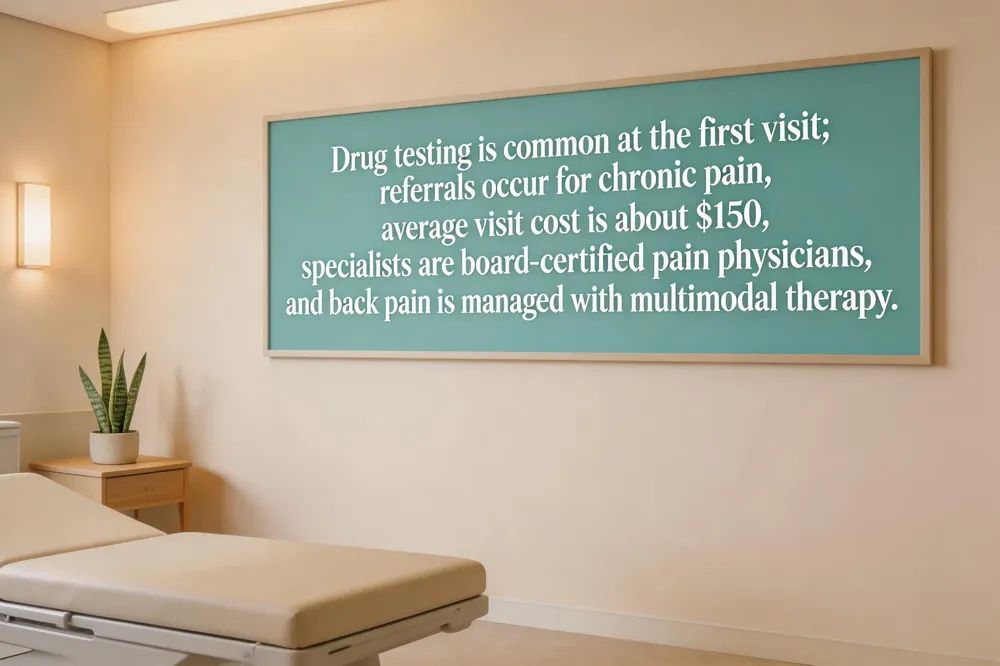 Will I be drug tested at my first pain‑management appointment? Yes. Most clinics, including the California Pain Institute, perform a Drug testing may be conducted during the first visit to establish a baseline, verify current medications, and ensure safe prescribing of opioids or other controlled substances. Consent is obtained, and the non‑invasive test guides your treatment plan.
Why is my doctor sending me to pain management? Your primary physician refers you when pain persists beyond the normal healing period (over six months), and does not respond to standard therapies. Pain specialists can conduct a detailed evaluation, order advanced imaging, and offer targeted interventions such as nerve blocks, epidural injections, or radiofrequency ablation.
Average cost of a pain‑management visit? In California, cash prices range from $119‑$176, averaging about $150 per appointment. Insured patients typically pay $100‑$150 after deductibles and co‑pays; out‑of‑pocket costs vary with imaging or procedures.
What is a pain specialist doctor called? They are commonly titled pain management physician or pain medicine doctor, often board‑certified in anesthesiology, neurology, physiatry, or internal medicine, with additional fellowship training in pain medicine.
What does pain management do for back pain? Specialists assess the source via history, physical exam, and imaging, then implement a multimodal plan: medications, physical therapy, and targeted injections. If needed, minimally invasive procedures—radiofrequency ablation, spinal cord stimulation, or nerve blocks—are used to reduce pain, improve function, and limit opioid reliance.
Take Control of Your Pain Journey
Before your first pain‑management visit, gather a complete medication list, recent imaging, and a concise pain diary that notes intensity (0‑10), location, triggers and and relief methods. Bring identification, insurance cards, and any referral paperwork, and consider inviting a trusted friend or family member for support and note‑taking. During the appointment, describe your pain using specific adjectives, share how it impacts daily activities, and ask prepared questions about treatment goals, medication options, and potential side effects. Use the clinic’s patient portal to review visit summaries, track test results, and schedule follow‑ups, reinforcing a collaborative partnership that keeps your care on track.