Why Exercise Matters for Fibromyalgia
Fibromyalgia is a chronic pain disorder that brings widespread muscle ache, fatigue, sleep disruption, and cognitive fog, often limiting everyday tasks such as standing, walking, or carrying groceries. Research consistently shows that regular, moderate aerobic activity—about 150 minutes per week—combined with daily stretching and 2‑3 weekly strength‑training sessions improves functional capacity before pain subsides. Functional gains like easier chair rises, longer standing tolerance, and farther walking distance appear early, while central nervous system pain modulation improves over months. The safest approach follows three key principles: (1) low‑impact choices (walking, water‑based aerobics, gentle dance, yoga, tai chi) that reduce joint load; (2) gradual progression, starting with 5‑10‑minute bouts and increasing duration by no more than 10 % each week; and (3) paced activity, incorporating frequent rest breaks and avoiding prolonged stationary periods. Heat therapy before movement can further loosen muscles and lessen discomfort. Adhering to these guidelines helps patients regain independence, reduce fatigue, and break the “push‑crash” cycle that often worsens fibromyalgia symptoms.
Understanding Fibromyalgia Fatigue and Flare‑Ups
 Fibromyalgia fatigue is a unpredictable, uncontrollable, unseen, and unintelligible exhaustion that is not relieved by rest. Patients often describe feeling heavy, mentally foggy, and unable to muster energy for everyday tasks, even after a full night’s sleep. This unrefreshing tiredness is frequently accompanied by non‑restorative sleep, muscle weakness, and difficulty concentrating—collectively known as “fibro‑fog.”
Fibromyalgia fatigue flare – A flare is a period when the chronic tiredness suddenly worsens, lasting several days and making routine activities feel overwhelming. Flare‑ups are triggered by stress, poor sleep, over‑exertion, and weather changes. During a flare, pain intensity, sleep disturbances, and cognitive fog typically increase, and cytokine release may amplify pain signals.
Fibromyalgia fatigue symptoms – Besides the profound exhaustion, patients may experience heaviness, slowed thinking, reduced stamina, and a sense of mental fog. The fatigue is unpredictable, can culminate in “crash” episodes, and often co‑exists with disrupted sleep and muscle tightness.
Fibromyalgia fatigue but no pain – Fatigue can occur even when widespread pain is minimal. Central‑nervous‑system dysregulation, hormonal imbalances, and sleep disturbances can generate fatigue independently of nociceptive pathways. Clinicians assess fatigue with validated scales and rule out anemia, thyroid disease, or sleep apnea. Management includes graded low‑intensity exercise, cognitive‑behavioral therapy, sleep hygiene, and, when needed, low‑dose antidepressants or neuromodulators.
How long does fibromyalgia fatigue last? – Fatigue is chronic, persisting months to years, with intensity waxing and waning. Flare‑related spikes may last days to weeks. Duration is influenced by sleep quality, stress, activity pacing, and overall symptom control. Consistent low‑impact aerobic activity (≈150 min/week), daily stretching, strength training 2‑3 times weekly, and strategic pacing can shorten each episode and improve overall stamina.
Low‑Impact Aerobic Foundations
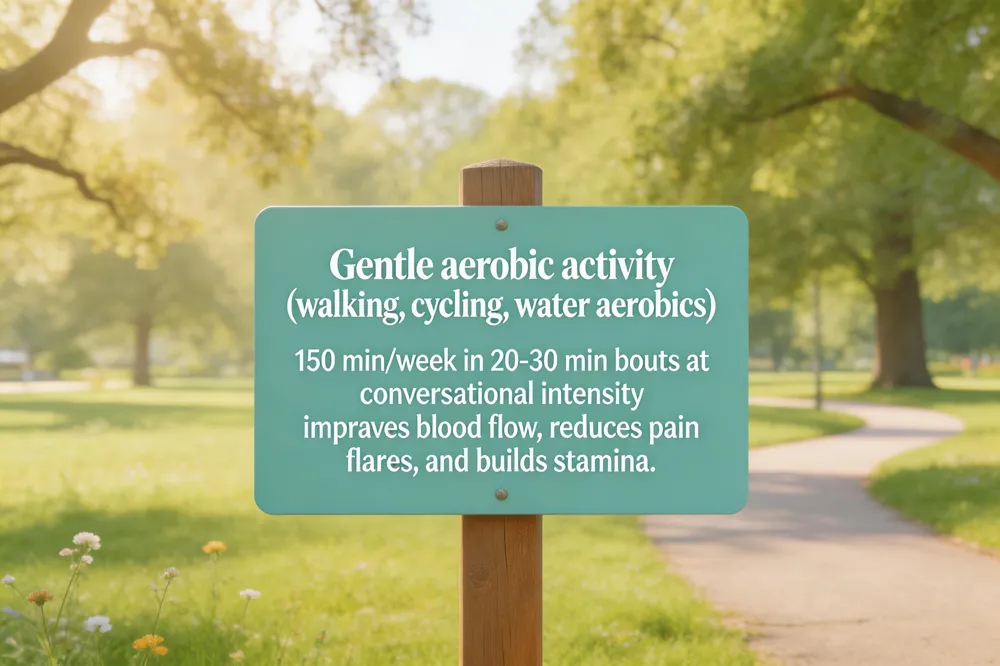 Why low‑impact aerobic activity is recommended: Fibromyalgia patients have reduced muscle blood flow and oxygen consumption, so high‑impact or vigorous exercise often triggers pain flares and a "push‑crash" cycle. Low‑impact aerobic work provides a gentle cardiovascular stimulus, improves blood flow, and gradually restores functional capacity without over‑loading tender muscles and joints.
Examples: walking (even 5‑minute bouts, progressing to 30‑60 minutes), stationary cycling, water‑based aerobic sessions in a warm pool (buoyancy reduces load), and music‑guided gentle dancing that avoids jumping or rapid direction changes.
Guidelines for duration, frequency, and intensity: Aim for 150 minutes of moderate aerobic activity per week, broken into 20‑30 minute sessions 2‑3 times weekly. Increase total time by no more than 5‑10 minutes each week and keep intensity at a conversational pace (≈52‑60 % of heart‑rate reserve). Use frequent rest breaks (e.g., 2‑minute pause after 5‑10 minutes of activity) to prevent symptom flare‑ups.
Warm‑up, heat therapy, and pacing tips: Begin each session with 5‑10 minutes of gentle movement or a warm shower to loosen muscles. Apply moist heat before activity and cool packs afterward if needed. Adopt a low‑and‑slow approach—listen to your body, stop if pain rises >2 points on a 0‑10 scale, and resume gradually when symptoms settle. Consulting a physical therapist or pain specialist ensures a personalized, safe progression.
Strength Training Safely
 Low‑impact resistance training is the cornerstone of a fibromyalgia‑friendly strength program. Begin with static holds—wall sits, seated presses, or gentle isometric curls—that engage muscle without joint motion and consume minimal energy. Progress to light resistance bands Theraband or light dumbbells (1‑2 lb) for seated rows, biceps curls, lateral raises, and banded hip abductions. Each exercise should be performed slowly, aiming for 10‑15 repetitions and 1‑2 sets, with a rest break after every 5‑minute segment; a 2‑minute pause every 5 minutes of activity helps prevent post‑exercise soreness. Follow a “low‑to‑moderate” intensity rule: increase resistance or repetitions by no more than 5‑10% weekly, and stop if pain rises more than two points on a 0‑10 scale. Crucially, avoid movements that stretch and contract the same muscle simultaneously—e.g., a biceps curl followed immediately by a straight‑arm stretch—because this can trigger flare‑ups.
Strength training exercises for fibromyalgia: Focus on body‑weight and seated moves (wall sits, modified push‑ups) before adding bands or light dumbbells. Schedule two to three short sessions per week (10‑15 minutes each) with frequent rest breaks. Small, steady increments in load improve functional ability, reduce fatigue, and enhance quality of life.
Resistance band exercises for fibromyalgia: Use a light‑to‑medium band for upper‑body curls, seated rows, and lower‑body banded squats or leg extensions. Perform 10‑15 reps per set, 1‑2 sets, three times weekly. Consistency boosts circulation, sleep, and symptom control while keeping joint stress low. Always consult a pain‑medicine physician or physical therapist before starting.
Mind‑Body Practices for Balance and Pain
 Yoga, Pilates, and tai chi share low‑impact, slow‑movement foundations that protect tender muscles while improving posture, balance, and core stability. Each session begins with diaphragmatic breathing—inhale through the nose, expand the belly, exhale slowly—to activate the parasympathetic nervous system and reduce pain‑related stress. These mind‑body practices dovetail with aerobic walking or aquatic work by enhancing flexibility and recovery, and they complement resistance training by promoting joint alignment and muscular control.
Safety modifications: use seated or wall‑supported poses, avoid deep twists or jumps, and stop if pain spikes. Warm the body with a brief shower or heat pack before practice and keep sessions to 10‑15 minutes, gradually adding time.
Fibromyalgia exercise program PDF – The California Pain Institute offers a free PDF that outlines a step‑by‑step, low‑impact plan (5‑10 min sessions) to reach 150 min/week of moderate activity, emphasizing pacing, warm‑up/cool‑down, and flare‑day adjustments.
Exercises for fibromyalgia and Chronic fatigue Syndrome – Begin with short, gentle walks, water aerobics, or stationary‑bike rides; add resistance‑band lifts or isometric holds for strength; incorporate yoga, Pilates, or tai chi for breathing, balance, and pain relief; schedule frequent rest breaks and progress slowly to avoid “push‑crash.”
Managing Weight and Energy Levels
 Weight‑loss goals for fibromyalgia patients aim for modest, steady reductions in body‑fat that improve daily function without provoking flare‑ups. A safe routine mixes low‑impact cardio (walking, swimming, gentle cycling) 3‑5 times a week, light resistance work with bands or body‑weight moves, and flexibility sessions such as yoga or Tai Chi to keep joints supple and pain low. Nutrition should provide steady energy: frequent meals rich in lean protein, whole‑grain carbs, healthy fats and plenty of water while avoiding processed sugars that cause crashes. Monitor intensity with short bouts, frequent rest breaks, and a symptom diary; adjust duration or effort when pain or fatigue rises.
Fibromyalgia workout for weight loss: Start with 5‑minute low‑impact aerobic sessions (walking, swimming, gentle cycling and add 30‑second increments until you can reach 30–60 minutes most days. Pair this with light resistance (bands, free weights, body‑weight calf raises) to build muscle and boost metabolism without over‑taxing tired muscles. Add yoga or Tai Chi for flexibility and pain relief. Take short rest breaks, listen to your body, and consult a pain‑medicine physician or physical therapist to tailor the plan to your symptoms and fitness level.
Medication and Adjunct Therapies for Fatigue
 Fibromyalgia‑related fatigue is often treated with central‑nervous system acting drugs that improve alertness and sleep quality. First‑line pharmacologic options include the serotonin‑norepinephrine reuptake inhibitors duloxetine (Cymbalta) and milnacipran (Savella), which lessen pain and boost energy, as well as gabapentinoids such as pregabalin (Lyrica) and gabapentin that stabilize nerve signaling and reduce daytime tiredness. Off‑label and emerging treatments feature low‑dose naltrexone (LDN) to dampen neuro‑immune activation and may improve fatigue in a subset of patients. Sleep‑specific agents—amitriptyline, doxepin, ramelteon—enhance restorative nocturnal sleep, thereby lessening daytime exhaustion. Complementary supplements (vitamin D, magnesium, acetyl‑L‑carnitine, melatonin) and lifestyle support (regular low‑impact aerobic activity, pacing, hydration, and heat therapy before movement further help conserve energy and improve overall fatigue management.
Practical Daily Routine and Pacing Strategies
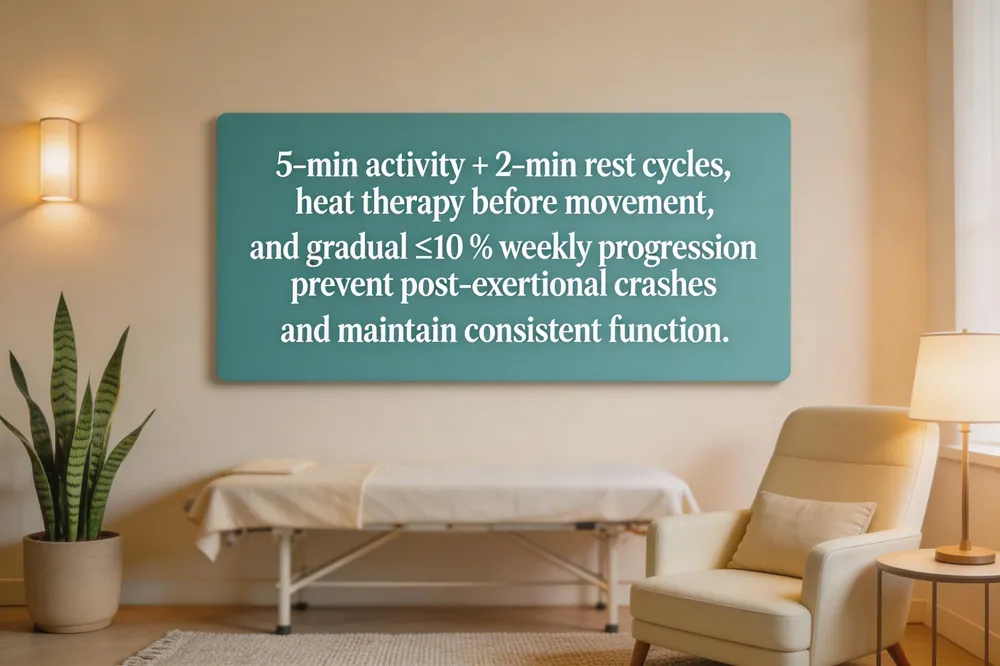 Short, frequent activity bouts throughout the day—such as 5‑minute walks, gentle stretching, or seated range‑of‑motion motions—help keep blood flow moving and prevent the “gelling” of muscles that worsens pain and fatigue.
Heat therapy before exercise (a warm shower, hot wrap, or a brief soak in a 88 °F pool) loosens tight tissue and activates pain‑soothing receptors, making the first minutes of movement easier on joints.
Schedule rest breaks in a simple 5‑minute activity followed by 2‑minute rest pattern; this low‑and‑slow rhythm respects the reduced muscle oxygen consumption seen in fibromyalgia and avoids the post‑exertional flare‑ups.
If pain spikes, muscles feels unusually fatigued, or saliva flow drops, modify the session by reducing intensity or duration, or stop entirely and resume only after a day or two of rest.
Consistency, not intensity, drives long‑term functional gains.
Fibromyalgia exercise makes it worse – Exercise can feel like it worsens symptoms initially because of autonomic and oxygen‑delivery abnormalities. Begin with very low‑intensity, short‑duration activities (gentle stretching, ROM moves, warm‑water walking and increase time/intensity ≤10 % per week. If pain spikes, back off to the previous level and rest 1‑2 days before the next session. Gradual conditioning improves pain thresholds, sleep, and function.
Fibromyalgia fatigue Reddit – Reddit users describe fibromyalgia fatigue as relentless, unrefreshing exhaustion that isn’t relieved by sleep, often accompanied by brain fog. Common coping tactics include pacing, gentle exercise, sleep hygiene, and multidisciplinary care. While peer advice helps, personalized plans from a pain‑medicine specialist are essential to address underlying nervous‑system and sleep disruptions.
Special Considerations for Women and Co‑existing Conditions
 Women with fibromyalgia often experience the classic triad of widespread pain, profound fatigue, and unrefreshed sleep, plus heightened “fibro‑fog,” frequent headaches, irritable bowel syndrome, and increased sensitivity to temperature, light, and noise. Mood disorders and painful menstrual periods are also common. For patients who also have osteoarthritis, the safest exercise mix is low‑impact aerobic activity—such as warm‑water therapy, land‑based walking, or stationary cycling—combined with gentle range‑of‑motion and light resistance work (5‑8 slow motions per joint, 6‑8 repetitions with higher‑resistance bands, three sets twice weekly). When chronic‑fatigue syndrome co‑exists, begin with very short, low‑impact aerobic bouts (5‑10 minutes), add water‑based or warm‑water therapy, incorporate isometric and resistance‑band strength and, finish with mind‑body practices like yoga or Tai Chi, always pacing with frequent rest breaks to avoid the push‑crash cycle.
Putting It All Together for Sustainable Energy
Key take‑aways: Exercise is essential for fibromyalgia, but gains appear gradually—functional improvements precede pain relief. A low‑intensity, “start low‑go‑slow” aerobic plan (≈150 min/week) with daily stretching and 2‑3 weekly strength sessions improves circulation, muscle tone and central pain modulation. Warm‑up heat, short frequent bouts, and avoiding high‑impact moves prevent post‑exercise flares. Individualized pacing: Each patient’s exposure limit differs; breaking activities into 5‑minute blocks with scheduled rests respects reduced blood flow and oxygen consumption, and avoids the 50 % saliva‑flow drop that signals peripheral dysregulation. Professional guidance: A therapist can tailor warm‑up, resistance‑band load, and mind‑body practices (yoga, tai chi) while tracking symptom scores. Next steps at the California Pain Institute: Schedule an assessment, receive a personalized pacing plan, learn heat‑therapy techniques, and join the exercise program to build confidence and sustain energy.