Introduction
The United States opioid epidemic has reshaped peri‑operative care, with rising rates of new persistent opioid use and opioid‑related complications prompting clinicians to seek safer analgesic strategies. Anesthesiologists, trained in pharmacology, regional techniques, and pain medicine, now lead multidisciplinary teams that design individualized pain plans, emphasizing non‑opioid options and early patient education. Central to these efforts is multimodal analgesia, which combines agents such as acetaminophen, NSAIDs, gabapentinoids, NMDA antagonists, and alpha‑2 agonists with regional blocks to target distinct pain pathways while substantially lowering opioid requirements. Enhanced Recovery After Surgery (ERAS) pathways operationalize this philosophy by standardizing pre‑emptive analgesia, intra‑operative opioid‑sparing regimens, and postoperative non‑opioid schedules, resulting in reduced nausea, faster mobilization, shorter hospital stays, and lower risk of chronic opioid dependence. Together, these approaches represent a proactive, evidence‑based response to the opioid crisis while preserving high‑quality pain control.
Foundations of Opioid‑Sparing Analgesia
 Opioid‑sparing means intentionally lowering the amount of opioid medication a patient requires for pain control by pairing opioids with non‑addictive analgesics or techniques. By adding agents such as acetaminophen, NSAIDs, gabapentinoids, glucocorticoids, NMDA antagonists, or regional blocks, clinicians achieve comparable pain relief with fewer opioid milligrams, thereby reducing side‑effects, tolerance, dependence, and the broader risk of opioid misuse. The opioid‑sparing effect describes this reduction in opioid dose when Multimodal analgesia is employed; patients experience similar analgesia while exposure risk of nausea, constipation, respiratory depression, and hyperalgesia. Multimodal analgesia is the cornerstone of this approach: it combines drugs and modalities that act on different pain pathways—acetaminophen, NSAIDs, gabapentinoids, ketamine, magnesium, and regional anesthesia—to provide synergistic relief, accelerate recovery, and lessen the chance of chronic postoperative pain. Opioids remain a vital component of anesthesia because they blunt nociceptive input, stabilize hemodynamics, and lower the MAC of volatile agents. However, their adverse profile has prompted anesthesiologists to adopt opioid‑sparing regimens, using lower opioid doses together with non‑opioid adjuncts to maintain effective analgesia while minimizing harm.
Pharmacologic Pillars of Opioid‑Sparing Protocols
 Opioid‑sparing drugs – Non‑opioid agents that are given alone or with low‑dose opioids to provide analgesia while reducing opioid‑related risks. Typical classes are acetaminophen, NSAIDs, gabapentinoids, glucocorticoids, NMDA antagonists, α₂‑adrenergic agonists, and adjuncts such as lidocaine, tapentadol, or esketamine.
What pain medications are used in anesthesia? – Anesthesiologists employ a multimodal armamentarium: IV/oral acetaminophen for rapid analgesia; IV NSAIDs (e.g., ketorolac) for anti‑inflammatory effect; NMDA antagonists (ketamine, dextromethorphan, magnesium) to blunt central sensitization; α₂‑agonists (clonidine, dexmedetomidine) for sedation and analgesia; short‑course dexamethasone for anti‑emetic and opioid‑sparing benefits; regional techniques (nerve blocks, epidural) delivering local anesthetics; and, when needed, low‑dose opioids for breakthrough pain.
Is gabapentin an opioid‑sparing? – Gabapentin (300‑1200 mg) and pregabalin (75‑600 mg) reduce postoperative pain scores and opioid consumption in many abdominal and orthopedic procedures, though benefit varies by surgery type and higher doses may increase dizziness.
Opioid‑sparing analgesia – A multimodal strategy that combines the above agents with non‑pharmacologic measures (patient education, CBT, music therapy to achieve effective pain control while minimizing opioid exposure, speeding recovery, and lowering the risk of chronic opioid use.
Dexmedetomidine – A highly selective α₂‑agonist that provides sedation, anxiolysis, and modest analgesia without respiratory depression; it is used intra‑operatively and post‑operatively to lower opioid requirements and improve the quality of recovery.
Regional, Local, and Infiltration Techniques
 Ultrasound‑guided peripheral nerve blocks provide site‑specific analgesia and cut opioid needs by 30‑50 % in orthopedic and abdominal procedures. Epidural analgesia and other neuraxial analgesia deliver continuous pain relief for thoracic, abdominal, and lower‑extremity surgery, further reducing systemic opioid exposure while preserving hemodynamic stability. Long‑acting local anesthetics such as liposomal bupivacaine (266 mg) infiltrated into the surgical wound extend analgesia up to 72 hours, shortening hospital stay and lowering opioid prescriptions. Continuous wound‑infiltration catheters sustain low‑dose local anesthetic delivery for days, supporting opioid‑free recovery pathways.
Opioid sparing anesthesia in cardiac surgery meta‑analysis – A recent meta‑analysis of cardiac surgery trials showed that multimodal, opioid‑sparing regimens (regional blocks, ketamine, dexmedetomidine, lidocaine) markedly decreased intra‑ and postoperative opioid use, lowered pain scores, and reduced nausea, vomiting, and respiratory depression without increasing cardiac complications. Faster ICU discharge and earlier mobilization were also observed.
Opioid‑free anesthesia – 2025 scoping reviews and multiple RCTs report that opioid‑free anesthesia (OFA) using dexmedetomidine, lidocaine, and ketamine reduces postoperative nausea and provides comparable analgesia, though some protocols cause hypotension or bradycardia. Larger trials are needed for definitive guidance.
Pain management Torrance, CA – Torrance Memorial Physician Network Pain Management offers epidural steroid injections, nerve blocks, radiofrequency ablation, and regenerative therapies, delivering individualized, opioid‑sparing care for chronic and acute pain.
Multimodal analgesia – Combining acetaminophen, NSAIDs, gabapentinoids, NMDA antagonists, and regional techniques targets multiple pain pathways, minimizing opioid reliance, enhancing recovery, and lowering the risk of chronic postoperative pain.
Non‑Pharmacologic and Complementary Strategies
 Cognitive‑behavioral therapy (CBT) reshapes pain perception by teaching coping skills, while music and virtual reality distraction provide immediate relief through sensory engagement. Acupuncture, electro‑acupuncture, and low‑level laser therapy target peripheral pathways and have demonstrated modest opioid‑sparing effects. Transcutaneous electrical nerve stimulation (TENS) offers another non‑pharmacologic option for patients who do not respond adequately to standard analgesics. Central to all of these modalities is patient education and expectation setting, which reduce anxiety and postoperative opioid use.
Holistic pain management near me – At the California Pain Institute we blend advanced pain medicine with holistic therapies such as Acupuncture, therapeutic massage, yoga, meditation, and nutrition counseling, delivering a whole‑person approach that minimizes medication reliance.
What not to say to your pain management doctor? – Avoid downplaying or exaggerating pain, demanding specific drugs, dismissing non‑pharmacologic options, hiding prior treatments, or seeking multiple prescriptions elsewhere; transparency and collaboration are key.
Pain & Wellness Center – This multidisciplinary clinic combines evidence‑based interventional procedures with holistic services, led by board‑certified specialists, across several Southern California locations.
Pain and Wellness Center near me – The California Pain Institute at 555 West 5th Street, Los Angeles, offers image‑guided injections, PRP, spinal cord stimulation, and personalized rehabilitation, with free consultations and telehealth options.
Clinical Implementation, Outcomes, and Economic Impact
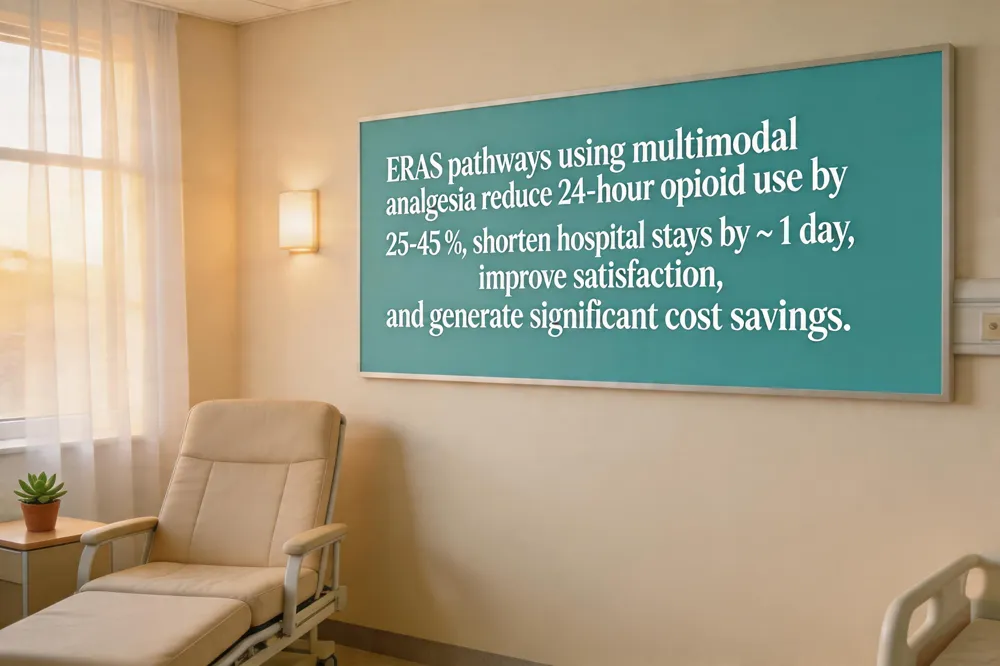 Enhanced Recovery After Surgery (ERAS) pathways integrate multimodal, opioid‑sparing analgesia—acetaminophen, NSAIDs, gabapentinoids, ketamine, lidocaine, and regional blocks—to blunt central sensitization and reduce postoperative opioid needs. Trials show ERAS reduces 24‑hour opioid consumption by 25‑45 % and shortens hospital length of stay by roughly one day, translating into significant cost savings. Patient‑reported outcomes improve: satisfaction scores rise (mean difference ≈ 0.9) and functional recovery metrics such as early ambulation and return of bowel function are accelerated. Economically, lower opioid‑related complications (nausea, constipation, respiratory depression) diminish ancillary costs and readmissions, while shorter stays free beds for additional cases. Physician compensation reflects these efficiencies; pain anesthesiologists in California typically earn $250,000‑$500,000 annually (median ≈ $350,000), with bonuses and profit‑sharing adding $20,000‑$80,000. Workforce planning emphasizes anesthesiology‑led opioid‑sparing protocols as a high‑value service.
How much do pain anesthesiologists make in California? $250,000‑$500,000 yearly, median $350,000, with bonuses $20‑$80 k.
What is the 5‑point opioid strategy? (1) Strengthen public‑health data collection/reporting; (2) Advance pain‑management practice; (3) Improve access to addiction prevention/treatment/recovery services; (4) Increase availability of overdose‑reversing drugs; (5) Support cutting‑edge research and innovation.
Opioid‑sparing analgesia combines non‑opioid meds and techniques (NSAIDs, acetaminophen, gabapentinoids, local anesthetic infusions, regional blocks) to achieve effective relief while minimizing opioid side effects, reducing persistent opioid use, and accelerating recovery.
Best pain management doctors in Los Angeles include Dr. Laura G. Audell (Cedars‑Sinai), Dr. Hayley Osen and Dr. Najmeh P. Sadoughi (UCLA Health), Dr. Francis M. Ferrante and Dr. Eric S. Hsu (Santa Monica), and Dr. Harkirat S. Chahal (Thousand Oaks).
Referral Networks & Local Resources in Southern California
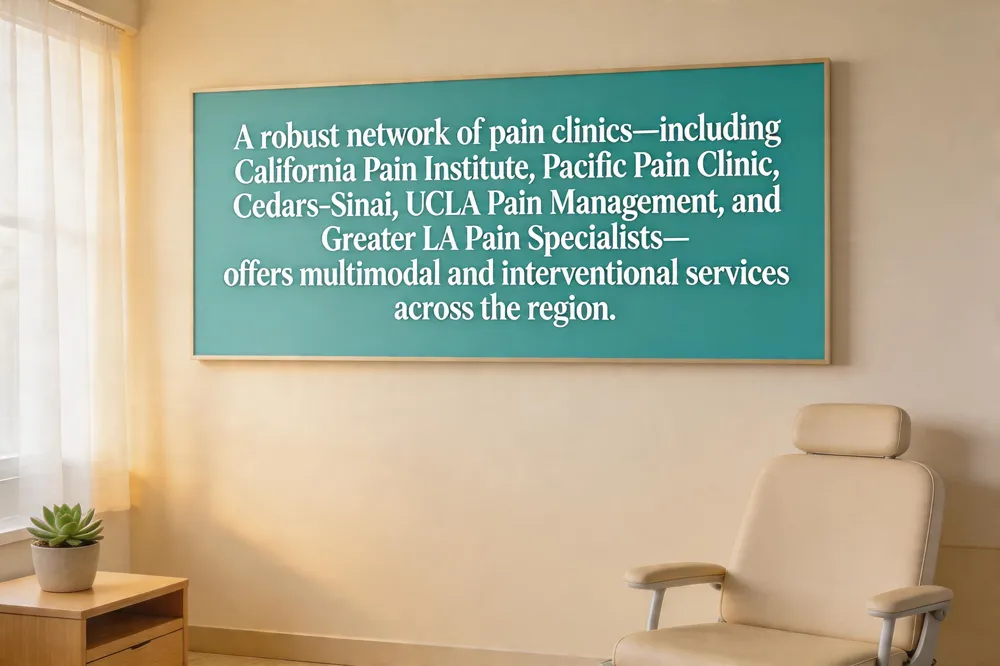 Southern California offers a robust network of pain‑management specialists and clinics. California Pain Institute locations include sites in Tarzana, Encino, and West Hills, providing multimodal analgesia, interventional procedures, and patient‑education programs. Pacific Pain Clinic in Irvine, led by Dr. Cyrus Sedaghat, delivers epidural steroid injections, radiofrequency ablation, PRP, and regenerative therapies with a focus on individualized, evidence‑based care. Cedars‑Sinai Pain Management boasts a multidisciplinary team—Dr. Laura G. Audell (Director), Dr. Mary A. Vijjeswarapu, Dr. Karl D. Wittnebel, and Dr. Andrew M. Blumenfeld—offering pharmacologic, interventional, and rehabilitative services across Los Angeles and Beverly Hills. UCLA Pain Management sites are situated downtown (700 W. 7th St.), North Hollywood (4343 Lankershim Ave.), Santa Monica (1245 16th St.), and Torrance (3500 Lomita Blvd.), staffed by physicians such as Dr. Hayley Osen, Dr. Najmeh P. Sadoughi, and Dr. Francis M. Ferrante. University Spine & Pain Center Torrance (3111 Lomita Blvd.) provides ultrasound‑guided injections, spinal cord stimulation, and a team led by Dr. Bao Nguyen and Dr. Matthew Robinson. Greater LA Pain Specialists in Reseda, headed by Dr. Hripsime Avagyan, emphasizes multimodal, opioid‑sparing protocols. Pacific Pain and Wellness (23150 Crenshaw Blvd., Torrance) integrates pain and psychiatric care under Dr. Kartik Ananth, offering IV ketamine, TMS, and comprehensive chronic‑pain management.
Future Directions, Patient Empowerment, and Conclusion
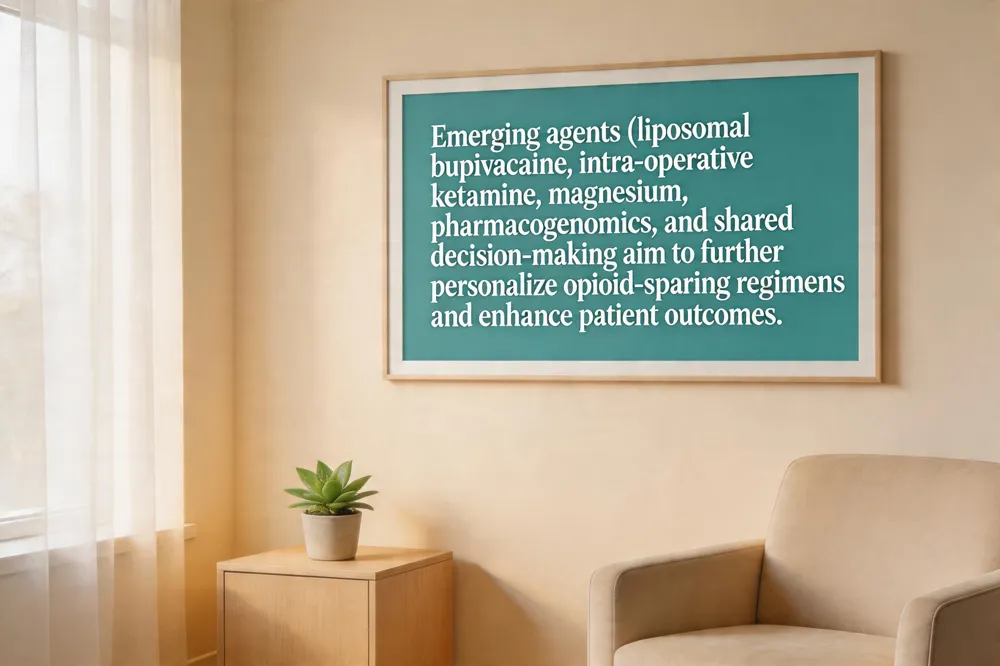 Ongoing research on opioid‑free and opioid‑sparing anesthesia is expanding the toolbox of agents such as liposomal bupivacaine, intra‑operative ketamine, magnesium, and α₂‑agonists, while personalized medicine and pharmacogenomics promise to match patients with the most effective non‑opioid regimens. Patient education and shared decision‑making remain central: clinicians explain the benefits of multimodal analgesia—NSAIDs, acetaminophen, gabapentinoids, regional blocks—to reduce nausea, constipation, and respiratory depression, and to lower the risk of persistent postoperative opioid use. At the California Pain Institute we commit to safe, effective care by integrating these evidence‑based strategies into individualized plans for chronic pain, ensuring optimal relief with minimal opioid exposure.
Conclusion
Anesthesiologists are the architects of opioid‑sparing care, designing multimodal regimens that blend non‑opioid medications, regional blocks, and patient‑education to curb opioid exposure while preserving analgesia. This approach translates into tangible benefits: fewer nausea, vomiting, respiratory complications, and a lower risk of chronic opioid use for patients, and shorter hospital stays, reduced costs, and higher satisfaction scores for health systems. The California Pain Institute exemplifies this philosophy, delivering evidence‑based, patient‑centered protocols that integrate acetaminophen, NSAIDs, gabapentinoids, liposomal bupivacaine, and ultrasound‑guided nerve blocks, all coordinated by board‑certified anesthesiologists. If you are preparing for surgery or managing chronic pain, ask your provider about an opioid‑sparing plan, engage in pre‑operative education, and explore the full spectrum of non‑opioid options. Together, we can achieve effective pain relief while safeguarding your health and the community from opioid‑related harm.