Understanding Neck and Back Pain and Its Impact
Prevalence of Neck and Back Pain in the US
Neck and back pain affect millions of Americans annually, with up to 80% experiencing back pain and around 70% experiencing neck pain at some point in their lives. These conditions are significant contributors to disability and healthcare visits across the country.
Common Causes of Neck and Back Pain
These pains often arise from muscle strain, poor posture, spinal degeneration, arthritis, herniated discs, and nerve compression, including pinched nerves. Factors like aging, injury, overuse, and certain medical conditions also contribute to their development.
Acute vs. Chronic Pain
Acute pain typically appears suddenly due to injury and lasts less than six weeks. In contrast, chronic pain persists beyond three months and can be related to ongoing degenerative or inflammatory conditions. Both require different approaches for diagnosis and management.
Symptoms and Importance of Proper Diagnosis
Symptoms include dull aches, sharp pain, stiffness, numbness, or tingling sensations in the limbs. Accurate diagnosis through physical exams and imaging is essential to identify underlying causes and guide effective treatment, especially to rule out serious conditions such as nerve damage or infections.
Key Facts on Back and Neck Pain Management
- Physical therapy strengthens spinal muscles, reducing strain and preventing injury.
- Targeted exercises improve posture, flexibility, and core stability to support spine health.
- A personalized exercise routine ensures safety and maximizes benefits for individual symptoms.
- Advanced therapies like neuromuscular re-education and Pilates promote healthy movement and stability.
- NSAIDs like ibuprofen and naproxen are first-line medications for reducing inflammation and pain.
- Acetaminophen provides mild pain relief but has limited anti-inflammatory effects compared to NSAIDs.
- Interventional techniques such as epidural injections, nerve blocks, and RFA target inflammation and nerve pain.
- Thermal therapies include heat for muscle relaxation and cold for inflammation reduction, used alternately.
- Support devices like braces, ergonomic tools, and supportive footwear aid postural correction and mobility.
- A multidisciplinary approach combining medical, physical, and psychological therapies** offers comprehensive pain relief.
1. Physical Therapy and Targeted Exercise Programs

The Role of Physical Therapy in Strengthening Back and Neck Muscles
Physical therapy is a cornerstone in managing Back and Neck Pain, aiming to strengthen muscles supporting the spine. Strengthening the back and neck muscles helps reduce strain on spinal structures and decreases the likelihood of recurrent injuries.
Exercises to Improve Posture, Flexibility, and Core Stability
Targeted exercises prescribed by physical therapists focus on improving posture, enhancing flexibility, and building core stability. These exercises often include gentle stretching to release muscle tension, strengthening routines for upper back and abdominal muscles, and posture retraining techniques to maintain proper spinal alignment throughout daily activities.
Importance of a Tailored Exercise Routine
A tailored exercise program is essential to address individual symptoms, pain levels, and physical capabilities. Personalized plans ensure safety, maximize benefits, and encourage adherence, which is pivotal for long-term pain relief and prevention. These tailored routines are part of Physical therapy for back pain.
Physical Therapy Techniques Like Neuromuscular Re-education and Pilates
Advanced physical therapy techniques such as neuromuscular re-education help patients relearn healthy movement patterns, reducing muscle imbalances and preventing future strain. Additionally, movement disciplines like Pilates focus on core strength and controlled motion, offering significant support for spine health and enhancing stability. These approaches align with Multidisciplinary approaches to chronic pain and Back Pain Treatment Options.
Through these specialized physical therapy approaches, patients gain functional strength and improved mobility, contributing to both acute symptom relief and management of chronic back and neck conditions.
2. Medications for Pain Relief and Inflammation Control

Use of NSAIDs such as ibuprofen and naproxen
NSAIDs for nerve pain management like ibuprofen and naproxen are widely recommended for managing neck and back pain due to their ability to reduce inflammation and alleviate pain. These over-the-counter medications are effective for mild to moderate pain and are generally considered first-line options for short-term relief. See also NSAIDs for neck pain management and NSAIDs use for low back pain.
Role of acetaminophen for mild pain
Acetaminophen for neck pain is another common over-the-counter option for mild pain relief, particularly when inflammation is not the primary concern. It can be used alone or in combination with other therapies, although some guidelines indicate it may be less effective than NSAIDs for certain types of back and neck pain. See also acetaminophen ineffective for low back pain.
Prescription options including muscle relaxants and antidepressants
For cases where over-the-counter medications are insufficient, healthcare providers may prescribe muscle relaxants for pinched nerves to ease muscle spasms around affected nerves. Antidepressants such as duloxetine or tricyclic antidepressants may also be used, especially for chronic pain, as they can modulate pain pathways and improve mood. For information on medications for chronic back pain and Antidepressants for pain and comorbidities see the related sources.
Considerations on opioid use and their risks
Opioids are generally reserved as a last resort for severe pain unresponsive to other treatments due to their risk of tolerance, dependence, and side effects. They should be prescribed cautiously, only after thorough evaluation, and ideally as part of a multimodal pain management plan to minimize adverse outcomes. For more details on opioid use guidelines and safe opioid prescribing, consult these resources.
3. Thermal Therapies: Heat and Cold Applications

How heat therapy relaxes muscles and increases blood flow
Heat therapy benefits is a widely used treatment for both neck and back pain. Applying heat to the affected area helps to relax tight or strained muscles by increasing the muscle temperature, which improves flexibility and comfort. Additionally, heat promotes increased blood flow, which facilitates the delivery of oxygen and nutrients critical for tissue repair and faster healing.
Cold therapy to reduce inflammation and swelling
Cold therapy benefits is particularly effective in managing acute injuries or flare-ups of pain where inflammation and swelling are present. The cold application constricts blood vessels, reducing blood flow to the affected area, which helps to decrease swelling, inflammation, and numb localized pain.
Guidance on alternating heat and cold treatments
Alternating between heat and cold therapy can provide synergistic benefits. For instance, after the initial acute phase when swelling has decreased (usually after the first 48 hours of an injury), patients can alternate cold packs and heating pads to manage pain and improve mobility. Cold reduces inflammation and numbness, while heat relaxes muscles and enhances circulation.
Application timing in acute versus chronic pain
In cases of acute pain due to recent injury or inflammation, cold therapy is typically recommended during the first 48 to 72 hours. For chronic pain conditions or muscle stiffness that persist beyond this initial phase, heat therapy benefits is more beneficial to promote muscle relaxation and healing. Patients should avoid applying heat directly over areas of swelling or open wounds and should use cold therapy to minimize risk of tissue damage.
Proper application and timing of these thermal therapies, combined with other treatments like physical therapy for neck pain and medications for neck pain, can significantly improve pain relief and functional recovery in patients with neck and back pain.
4. Support Devices: Braces and Ergonomic Tools
Use of Neck and Back Braces for Temporary Support
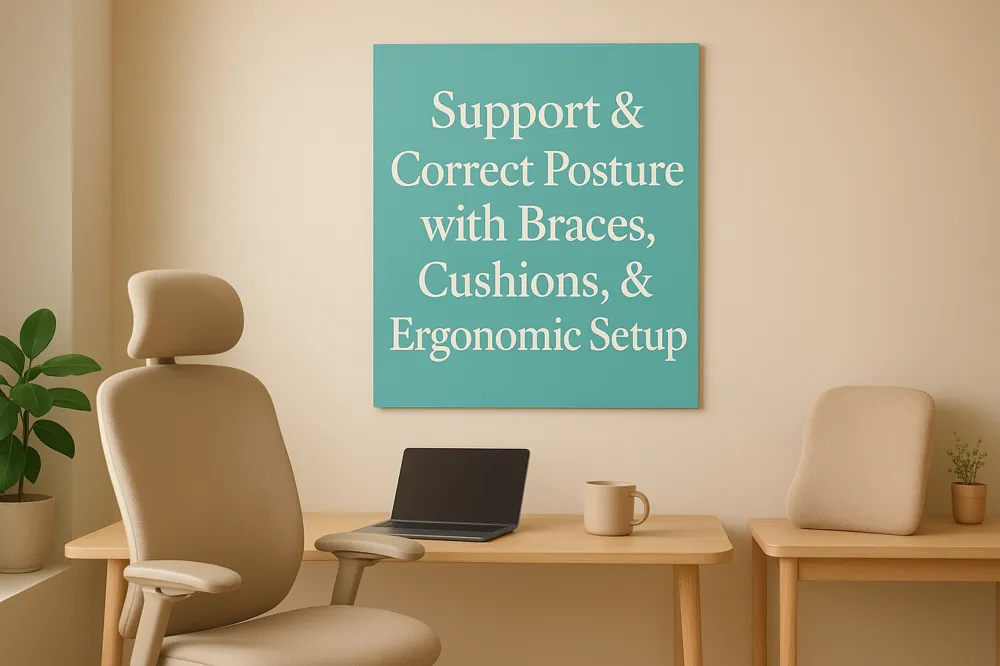
Neck and back braces as supports can provide valuable temporary relief by supporting the spine and maintaining proper alignment. These devices help reduce muscle strain and prevent further injury, especially during acute pain episodes. However, overreliance on braces is discouraged as it may weaken muscles over time.
Ergonomic Workspace Setup for Posture Correction
An ergonomic workspace setup plays a crucial role in preventing and alleviating back and neck pain. Adjusting chair height and monitor level to eye height reduces neck strain, while ensuring relaxed shoulders technique and proper spinal alignment helps maintain a healthy posture. Incorporating regular breaks to stand and stretch can further reduce tension.
Lumbar Support Cushions and Proper Pillow Placement
Using lumbar support cushions encourages the natural curve of the lower back when sitting, decreasing pressure and discomfort. Proper pillow placement during rest—such as placing a pillow under the knees for back pain or between legs when lying on the side—supports spinal alignment and alleviates stress on the neck and back.
Benefits of Supportive Footwear and Orthotics
Wearing supportive footwear benefits and using orthotics for posture inserts can significantly improve spinal alignment and reduce lower limb and back strain, particularly for those who spend extended periods standing. These supports help distribute weight evenly and prevent postural imbalances that can contribute to pain.
Implementing these supportive devices and ergonomic practices, alongside other treatment strategies, enhances comfort, promotes healing, and reduces the likelihood of recurring back and neck pain.
5. Interventional Pain Management Techniques
What role does interventional pain management play in treating chronic pain?
Interventional pain management offers targeted, minimally invasive procedures designed to alleviate chronic neck and back pain by addressing inflammation, nerve irritation, and dysfunctional pain signaling. These techniques provide significant relief with less downtime than traditional surgery and can improve patients' quality of life and mobility. See more about Pain Management for Back Pain and Managing chronic pain goals.
Epidural steroid injections and nerve blocks for inflammation relief
Epidural steroid injections (ESIs) are commonly used to reduce inflammation around nerve roots in the cervical and lumbar spine. By delivering corticosteroids directly to the affected area, ESIs help decrease nerve irritation, reducing pain and improving function. Similarly, nerve blocks temporarily interrupt pain signals and relieve muscle tightness in targeted regions.
Radiofrequency ablation to disrupt pain signals
Radiofrequency ablation (RFA) uses heat generated by radio waves to disable nerves transmitting pain signals. This procedure can provide relief lasting from months to years and is particularly effective in treating facet joint pain and chronic back pain after conservative treatments have failed.
Spinal cord stimulation and implantable nerve stimulators
Spinal cord stimulation involves implanting devices that deliver controlled electrical impulses to the spinal cord, masking pain signals before reaching the brain. Recent advancements allow customization of therapy, improving outcomes for patients with complex, chronic pain. Implantable nerve stimulators also target specific nerves, providing drug-free pain control.
Minimally invasive surgeries like discectomy and laminectomy
When interventional procedures are insufficient, minimally invasive surgical options such as endoscopic discectomy procedure and laminectomy surgery overview can decompress compressed nerves. These surgeries rely on small incisions, reducing tissue damage and recovery time while relieving neurological symptoms and chronic pain.
Together, these interventional approaches form a versatile toolkit, enabling personalized management plans to effectively address a range of chronic back and neck pain conditions. For a broader perspective, see Back pain diagnosis and treatment overview and Managing Neck and Back Pain.
6. Alternative and Complementary Therapies
Acupuncture and its role in pain relief
Acupuncture is a traditional therapy involving the stimulation of specific points on the body with fine needles. It is supported by evidence as an effective treatment for neck pain and back pain, helping to reduce pain and improve function. Acupuncture may promote the release of endorphins and improve blood flow, contributing to its analgesic effects.
Massage therapy benefits for muscle tension and circulation
Massage therapy helps alleviate muscle tension, reduce stiffness, and enhance circulation. By manipulating muscles and soft tissues, massage can relieve discomfort associated with chronic and acute neck and back pain. It also promotes relaxation and can be used in conjunction with other therapies to improve pain management outcomes.
Chiropractic adjustments and osteopathic manipulation
Chiropractic adjustments and osteopathic manipulations involve hands-on techniques to realign the spine and improve joint mobility. These interventions aim to correct postural imbalances and relieve pressure on nerves, which can result in decreased pain and improved range of motion. They are considered beneficial for soft tissue injuries and degenerative conditions when performed by qualified practitioners, as noted in guidelines for neck pain management.
Use of TENS (transcutaneous electrical nerve stimulation) devices
TENS devices deliver mild electrical currents through the skin to disrupt pain signals in the nervous system. They are a non-invasive method for managing neck and back pain and can provide temporary relief. TENS units are often used alongside other treatments and can be applied at home under guidance to complement rehabilitation efforts.
7. Lifestyle Modifications for Long-Term Pain Management
Why is Maintaining a Healthy Body Weight Important?
Excess body weight increases strain on the spine, joints, and muscles, often exacerbating chronic neck and back pain. Maintaining a healthy weight reduces mechanical pressure and inflammatory responses, helping to alleviate discomfort and prevent further degeneration. Balanced nutrition also supports tissue repair and overall spine health.
How Does Stress Management Help With Pain?
Chronic pain is often amplified by stress and psychological tension. Mindfulness practices, yoga, and relaxation techniques can reduce muscle tension, lower anxiety, and improve pain coping abilities. These methods promote a calming response in the central nervous system, decreasing pain sensitivity and enhancing quality of life.
What Posture Habits Prevent Neck and Back Strain?
Poor posture, especially related to prolonged device use, leads to issues like 'tech neck' and back strain. Proper ergonomic adjustments—such as keeping screens at eye level, using lumbar support cushions, and taking frequent movement breaks—help maintain natural spinal alignment. Strengthening core and upper back muscles through targeted exercises supports better posture and reduces recurrent pain.
Why Is Quitting Smoking and Managing Diet Important?
Smoking impairs blood flow and delays healing, contributing to spinal disc degeneration and poor nerve health. Dietary choices influence inflammation; diets high in trans fats, refined sugars, and processed foods can worsen pain symptoms. Adopting an anti-inflammatory diet rich in fruits, vegetables, whole grains, and healthy fats supports pain management and overall wellness.
8. Multidisciplinary Approaches for Comprehensive Pain Care

How can patients benefit from a multidisciplinary approach to pain management?
Chronic neck and back pain often require more than a single type of treatment. A multidisciplinary approach to pain management combines medical care, physical therapy, psychological support, and lifestyle changes to address the many facets of pain. This integrated care model ensures that physical symptoms and emotional impacts such as anxiety and depression are both treated.
Medical management might include medications, injections, or procedures, while physical therapy focuses on improving strength, flexibility, and posture to support recovery and prevent recurrence. Incorporating psychological therapies, especially cognitive-behavioral therapy (CBT), helps patients develop coping strategies, reduce pain catastrophizing, and manage associated mental health conditions.
Collaboration among healthcare providers—including primary care doctors, pain specialists, physical therapists, psychologists, and other specialists—allows for personalized treatment plans tailored to each patient’s needs. These individualized plans target all aspects of pain, enhancing functional ability and quality of life while minimizing reliance on opioids and other medications.
Research shows that this team-based approach leads to better pain control, improved mobility, and engagement in daily activities. Patients also benefit from education on self-management techniques such as pacing, stress reduction, and relaxation exercises to sustain long-term improvements.
By addressing pain from multiple angles, multidisciplinary care provides comprehensive, patient-centered relief that supports both physical healing and emotional well-being.
9. Diagnostic and Monitoring Tools for Effective Treatment Planning
How does a pain medicine physician diagnose chronic pain conditions?
Diagnosing chronic neck and back pain involves a thorough process starting with patient history and physical examinations to assess pain characteristics, functional limitations, and potential neurological symptoms. Physicians use Imaging tests for neck pain diagnosis tools such as MRI scans to detect neck issues, CT scans and neck pain scans, and X-rays for neck pain to detect structural abnormalities like herniated discs, spinal stenosis, or bone spurs.
Electromyography (EMG) for nerve compression and nerve conduction studies measure nerve function and help identify pinched nerves or neuropathic pain. Back Pain Causes can confirm the specific source of nerve pain by temporarily blocking pain signals.
Blood tests for inflammation and infection may be ordered to rule out inflammation or infection that could contribute to symptoms. This multifaceted diagnostic approach allows clinicians to create personalized treatment plans addressing the precise pain generators, thus optimizing therapy outcomes.
Common Chronic Pain Conditions Treated at Pain Management Clinics
What are the common chronic pain conditions treated at a pain management clinic like the California Pain Institute?
Pain management clinics such as the California Pain Institute specialize in treating a variety of chronic pain conditions that significantly impact patients' daily lives. Among the most common are:
-
Arthritis and Joint Disorders: Chronic pain related to arthritis, including osteoarthritis and joint issues like bursitis and rotator cuff injuries, is routinely addressed with tailored treatment plans.
-
Neuropathic Conditions: Neuropathy and fibromyalgia represent nerve-related chronic pain conditions frequently treated, alongside complex syndromes like trigeminal neuralgia and complex regional pain syndrome which cause intense nerve pain.
-
Spinal Conditions: Clinics see many patients with spinal problems such as disc herniation, spinal stenosis (narrowing of the spinal canal), vertebral compression fractures, and related degenerative conditions. These are managed with multidisciplinary approaches combining medication, physical therapy, injections, and sometimes surgery.
-
Migraines and Facial Pain: Chronic headache disorders and facial pain syndromes receive specialized attention, often involving medication management and complementary therapies.
-
Post-Surgical Pain: Management of pain following surgical procedures, to improve recovery outcomes and function, is an essential component of care.
The comprehensive approach at pain clinics focuses on relieving symptoms while improving mobility and quality of life through individualized treatment strategies that may include medications, physical rehabilitation, injection therapies, and lifestyle modifications.
Empowering Recovery Through Proven Neck and Back Pain Treatments
Understanding Effective Treatment Approaches
Successful management of neck and back pain typically involves a combination of therapies. Non-surgical treatments such as physical therapy, medications like NSAIDs, muscle relaxants, and thermal therapies often provide significant relief. For targeted inflammation control, epidural steroid injections can be beneficial. In cases where conservative methods fail, minimally invasive surgeries, including discectomy and laminectomy, may be recommended to decompress nerves and restore function.
Personalized and Multidisciplinary Care
Each patient's experience with neck and back pain is unique. Personalized treatment plans crafted by multidisciplinary teams—including physicians, physical therapists, and pain specialists—ensure comprehensive care. This approach integrates medical, physical, and psychological therapies to address pain holistically, optimize recovery, and improve overall well-being.
The Role of Professional Guidance
Patients are encouraged to seek early evaluation and collaborate closely with healthcare providers. Accurate diagnosis through clinical examination and imaging informs effective treatment choices. Professional support empowers patients to engage actively in their recovery journey, promotes adherence to therapy, and helps prevent chronic pain development.
Optimistic Outlook
With appropriate management, many individuals achieve meaningful pain reduction and enhanced mobility. Emphasizing rehabilitation, lifestyle adjustments, and ongoing support fosters lasting improvements in quality of life. Empowered patients can reclaim daily activities with confidence and vitality.