Why Lifestyle Changes Matter for Chronic Headaches
Chronic headaches affect roughly half of all adults worldwide, with about 30% experiencing migraines at some point in a year (Mayo Clinic). Research consistently shows that everyday habits—sleep, hydration, nutrition, exercise, posture, caffeine, and stress management—directly influence headache frequency. Irregular sleep, dehydration, skipped meals, excess caffeine, poor ergonomics, and unrelieved stress each destabilize neurotransmitters, blood‑sugar, or muscle tension, triggering attacks. By correcting these modifiable factors, patients can reduce the number of headache days without medication. The 7‑day habit plan is designed to introduce one evidence‑based change each day—such as a regular 7‑9‑hour sleep schedule, 2 L of water, balanced meals every 3‑4 hours, ≤200 mg caffeine, 30‑minute aerobic activity, ergonomic posture, and a brief mindfulness session—so that the cumulative effect lowers trigger exposure, stabilizes physiology, and empowers individuals to regain control over their pain.
Prioritize Sleep and Consistent Rest
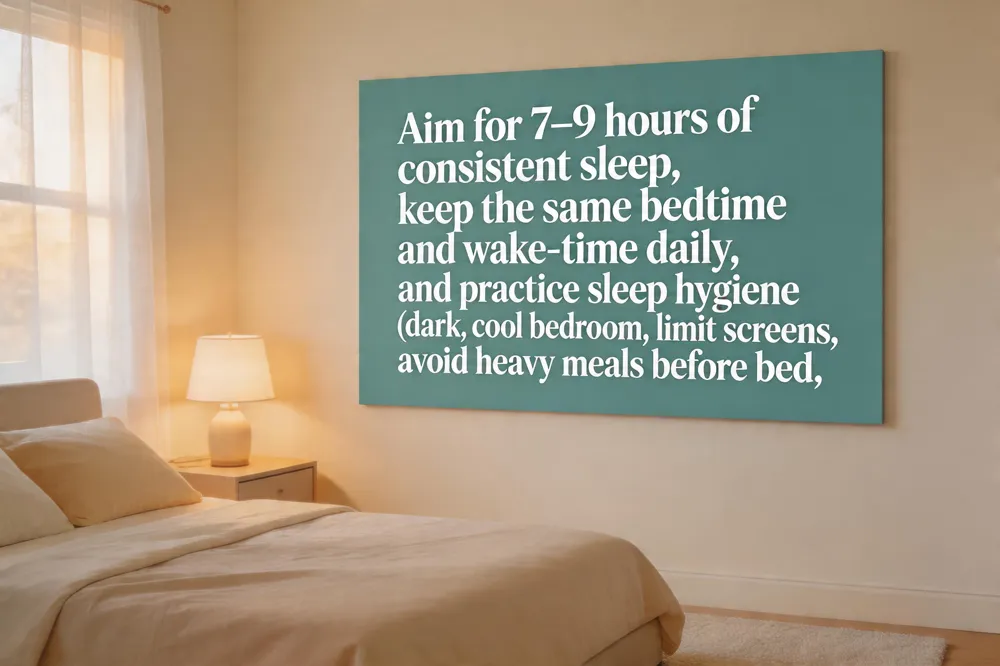 Consistent, restorative sleep is a cornerstone of chronic‑headache management. Aim for 7–9 hours of quality sleep each night and keep the same bedtime and wake‑time even on weekends; regularity stabilizes neurotransmitter levels and reduces the likelihood of sleep‑related migraine spikes. Good sleep hygiene—dark, cool bedroom, limiting screen exposure at least two hours before bed, and avoiding heavy meals or excessive liquid intake close to bedtime—further improves sleep quality and lowers morning headache frequency.
Frequently asked questions
How can I fix constant daily headaches?
- Identify and avoid personal triggers (bright lights, strong odors, trigger foods, dehydration).
- Limit acute pain‑medication use to prevent rebound headaches.
- Establish a regular sleep schedule of 7–9 hours and practice sleep hygiene as described above.
- Stay hydrated (≈2 L of water daily) and eat balanced meals every 3–4 hours to keep blood‑sugar stable.
- Incorporate moderate aerobic exercise (150 minutes per week) to release endorphins and improve circulation.
- Reduce stress with mindfulness meditation, deep‑breathing, or yoga.
- If headaches persist, consult a pain‑medicine specialist for a comprehensive evaluation and preventive therapies.
Why am I getting daily headaches on one side of my head? Unilateral pain often points to primary headache disorders such as migraine or cluster headache, which may be accompanied by nausea, visual changes, or autonomic symptoms. Tension‑type or cervicogenic headaches can feel one‑sided when neck muscles are chronically strained. Sinus inflammation or dental problems can also mimic a single‑side headache, especially when the pain worsens with bending forward. Persistent, severe, or neurologically associated pain warrants prompt medical assessment; a targeted exam and possible imaging will guide individualized treatment.
Hydration, Nutrition, and Trigger Identification
 Key Lifestyle Pillars
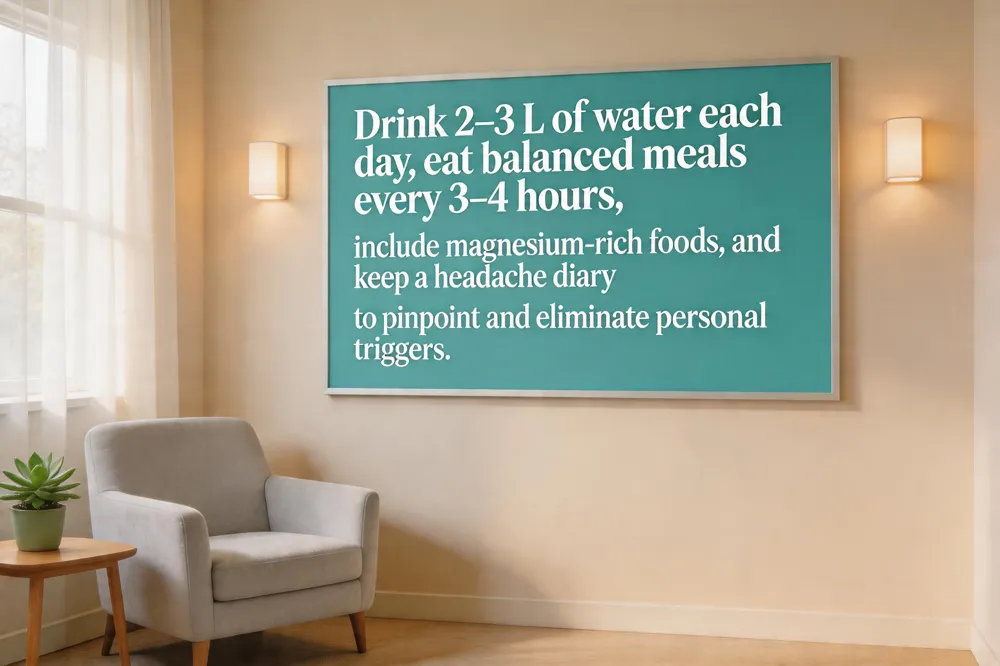
- Hydration: Drink 2‑3 L (8‑10 glasses) of water daily; adequate fluid intake prevents dehydration‑induced cerebral vasoconstriction, a common headache trigger.
- Meal Regularity: Eat balanced meals every 3‑4 hours to keep blood‑sugar stable and avoid hypoglycemia‑related pain.
- Magnesium‑Rich Foods: Include leafy greens, nuts, seeds, and whole grains; magnesium deficiency can increase neuronal excitability and migraine risk.
- Trigger Identification: Use a headache diary to pinpoint personal food triggers (aged cheese, processed meats, MSG, artificial sweeteners) and eliminate them.
- Caffeine & Alcohol: Limit caffeine to ≤200 mg/day and avoid alcohol, especially near bedtime, to reduce vasodilation‑related episodes.
Frequently Asked Questions
What natural methods help chronic headaches? Regular aerobic activity (30‑50 min, 3‑5 days/week), consistent sleep hygiene (7‑9 h/night), magnesium‑rich diet, stress‑reduction (mindfulness, yoga, CBT), and targeted supplementation (magnesium, riboflavin, coenzyme Q10) are evidence‑based approaches. Acupuncture, therapeutic massage, and trigger‑point pressure provide additional relief.
Why do McDonald’s fries and Coke seem to help a migraine? The perceived benefit likely stems from caffeine’s mild vasoconstriction and salt’s role in correcting dehydration‑related electrolyte shifts. This is not a reliable treatment; medical options should be pursued.
What are the “5 C’s” of headache triggers? Cheese, Chocolate, Coffee, Coke (or other caffeinated sodas), and Citrus fruits are common dietary culprits. Individual sensitivity varies; systematic elimination can clarify relevance.
What are common reasons for chronic headaches in women? Hormonal fluctuations (menstrual cycle, perimenopause), migraine with aura, tension‑type headache, medication overuse, and cervical spine issues are frequent contributors.
What pressure points can help relieve a headache? LI4 (between thumb and index finger), GB20 (base of skull, each side of the spine), and BL2 (inner edge of eyebrows) – apply firm pressure for 30 seconds while breathing slowly.
What can pain‑management specialists do for chronic headaches? Specialists perform comprehensive evaluations, prescribe acute and preventive medications (triptans, beta‑blockers, CGRP antibodies, Botox®), offer procedures (nerve blocks, trigger‑point injections), and integrate non‑pharmacologic therapies (acupuncture, TENS, supervised exercise) alongside multidisciplinary support.
Regular Exercise, Posture, and Ergonomics
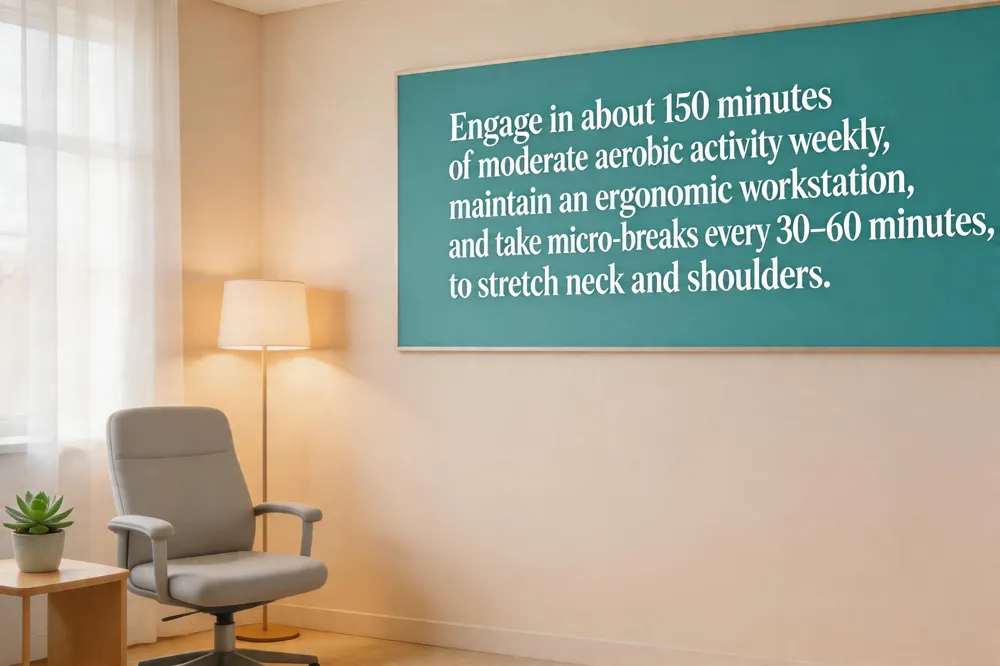 Consistent moderate aerobic activity—about 150 minutes per week—such as brisk walking, cycling, or swimming, releases endorphins, improves circulation, and lowers stress hormones that often trigger headaches. For beginners, low‑impact options like water aerobics, yoga, or gentle stretching provide similar benefits without over‑exertion. Maintaining an ergonomic workstation is equally important: use an adjustable chair that supports the lower back, keep the monitor at eye level, and position the keyboard so elbows stay close to a 90‑degree angle. Incorporate micro‑breaks every 30‑60 minutes to stand, stretch the neck and shoulders, and perform a quick posture check; this reduces muscular tension that can radiate to the head.
What are five quick tips for instant migraine relief?
- Apply a cold pack (or frozen peas wrapped in a cloth) to forehead/neck for 10‑15 minutes to numb pain and reduce inflammation.
- Lie in a dark, quiet room and practice slow, deep‑breathing or progressive muscle relaxation to calm the nervous system.
- Hydrate with water or an electrolyte‑rich drink, as dehydration can quickly worsen symptoms.
- If appropriate, take an OTC NSAID such as ibuprofen 400‑600 mg to target pain and inflammation.
- Gently stretch or massage neck and shoulder muscles, focusing on trapezius and temporalis areas, to relieve tension.
What over‑the‑counter tablets are effective for headache relief? Common OTC options include acetaminophen (500‑1000 mg per dose), ibuprofen (200‑400 mg), and naproxen (220 mg). Combination products that pair acetaminophen with caffeine can be useful for tension‑type headaches. Choose based on personal health: acetaminophen is gentle on the stomach but must stay below 4,000 mg daily; ibuprofen and naproxen may irritate the GI tract and should be avoided in ulcer or certain cardiovascular conditions. Always follow label dosing and seek medical evaluation if headaches persist or worsen.
Stress Management and Mind‑Body Practices
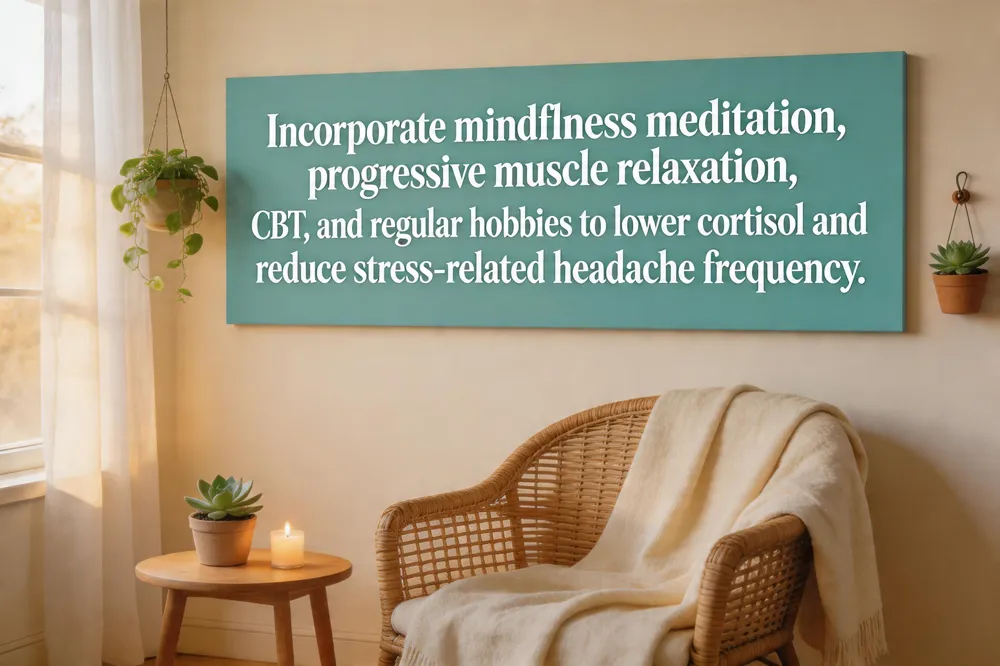 Effective stress‑reduction is a cornerstone of chronic‑headache management. Mindfulness meditation and guided‑can calm the nervous system, lowering cortisol spikes that often precipitate tension‑type and migraine attacks. Progressive muscle relaxation combined with slow deep‑breathing releases neck‑and‑shoulder tension while improving oxygenation of the brain. Cognitive‑behavioral therapy (CBT) teaches patients to identify maladaptive thoughts about pain and replace them with coping strategies, reducing the frequency of stress‑induced headaches. Regular hobbies and short relaxation breaks (e.g., a brief walk, stretching, or listening to soothing music) provide mental respite and prevent prolonged muscle contraction.
How can I get rid of a headache in seconds at home? Sit comfortably, close your eyes, and take five slow, deep breaths while gently pressing the base of the skull for 30 seconds. Massage the temples in small circles for 20 seconds, then splash cool water on the face or apply a cold compress for another 30 seconds. Hydrate with a glass of water and, if tolerated, a small amount of caffeine. If pain persists, seek professional evaluation.
What are typical symptoms of chronic headaches? Pain on ≥15 days/month for ≥3 months, often a persistent pressure band (tension‑type) or unilateral throbbing (migraine), accompanied by photophobia, phonophobia, nausea, or visual changes. Stress , poor posture , and sleep disruption worsen the pain.
How can I live with chronic headaches while maintaining daily activities? Establish a consistent routine with regular sleep, balanced meals, and moderate aerobic exercise (150 min/week). Keep a headache diary to spot triggers, use preventive and acute medications as prescribed, and incorporate stress‑reduction techniques (mindfulness, CBT, yoga). Optimize ergonomics , stay hydrated , and schedule regular follow‑ups with a multidisciplinary headache team for individualized care.
Targeted At‑Home Relief: Massage, Cold/Heat, and Pressure Points
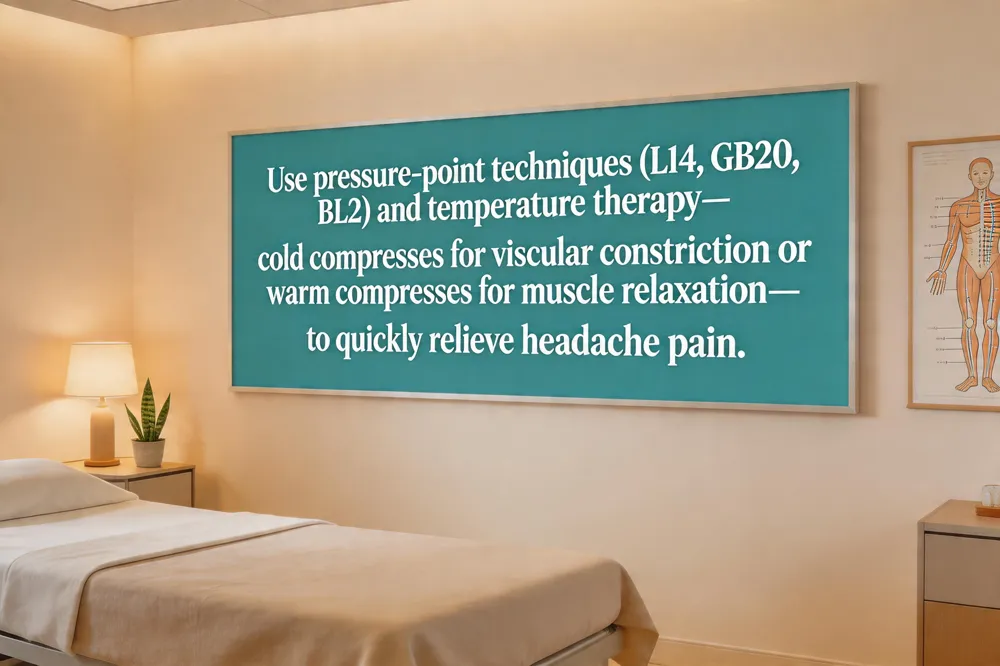 Pressure‑point techniques complement massage. Locate LI4 (the web between thumb and index finger) and apply steady pressure for 15‑20 seconds; GB20 (the depressions at the base of the skull, just outside the neck muscles) and BL2 (the inner edge of the eyebrows) can be stimulated similarly. These points help modulate pain pathways and reduce vascular spasm.
Temperature therapy offers additional relief. A cold compress or ice pack (wrapped in a cloth) applied to the forehead for 5‑10 minutes constricts dilated vessels, numbing acute pain. Conversely, a warm, damp compress or heating pad on the neck and shoulders relaxes muscle fibers and improves circulation, making it ideal for tension‑type headaches.
How can I relieve a headache instantly at home using massage?
Apply firm thumb pressure to the upper trapezius for 30‑45 seconds, then massage the suboccipital muscles in small circles for the same time. Add gentle circular motions on the temples and a brief tap of the glabella, followed by a slow neck stretch and deep breathing. Most people feel relief within a minute or two.
What home remedy can help a headache caused by a cold?
Ease sinus pressure by inhaling steam (add eucalyptus or peppermint oil), stay hydrated with warm herbal teas, and apply a warm, damp compress to the forehead and cheeks. If pain persists, an OTC analgesic such as acetaminophen can be taken as directed.
Putting It All Together for Long‑Term Relief
Successful long‑term headache control begins with a handful of habits that, when combined, address the most common triggers. First, keep a regular sleep schedule of 7–9 hours each night to stabilize neurotransmitters. Second, drink at least 2 L of water daily to avoid dehydration. Third, eat balanced meals every 3–4 hours to keep blood‑sugar steady. Fourth, include magnesium‑rich foods such as leafy greens, nuts and whole grains. Fifth, limit caffeine to ≤200 mg per day and avoid alcohol near bedtime. Sixth, engage in 150 minutes of moderate aerobic activity each week to release endorphins and improve circulation. Seventh, practice daily stress‑reduction techniques like mindfulness or deep‑breathing. Recording these habits and any headache episodes in a diary helps you and your clinician spot patterns, adjust triggers, and measure progress. If headaches persist more than a few days, worsen, or interfere with work, schedule an evaluation at California Pain Institute, where specialists can tailor a treatment plan.