Why a Multidisciplinary Approach Matters
Fibromyalgia pain and fatigue arise from intertwined biological, neurological, and psychosocial mechanisms. Dysregulated pain pathways, myofascial trigger points, sleep‑related neurotransmitter imbalances, and heightened stress responses all contribute to a symptom constellation that no single therapy can fully address. Therefore, an integrated plan that blends medical treatment (e.g., FDA‑approved analgesics, antidepressants, and sleep‑aid medications), behavioral strategies (cognitive‑behavioral therapy, mindfulness, and stress‑reduction techniques), and lifestyle modifications (low‑impact aerobic exercise, pacing, heat therapy, and sleep hygiene) is essential for breaking the pain‑fatigue cycle. The California Pain Institute exemplifies this philosophy by offering personalized assessments, coordinated care among rheumatologists, physical therapists, psychologists, and nutritionists, and access to complementary services such as massage and acupuncture. This collaborative model empowers patients to manage symptoms more effectively, improve functional capacity, and sustain a higher quality of life.
Medication Landscape: What Works and What Doesn’t
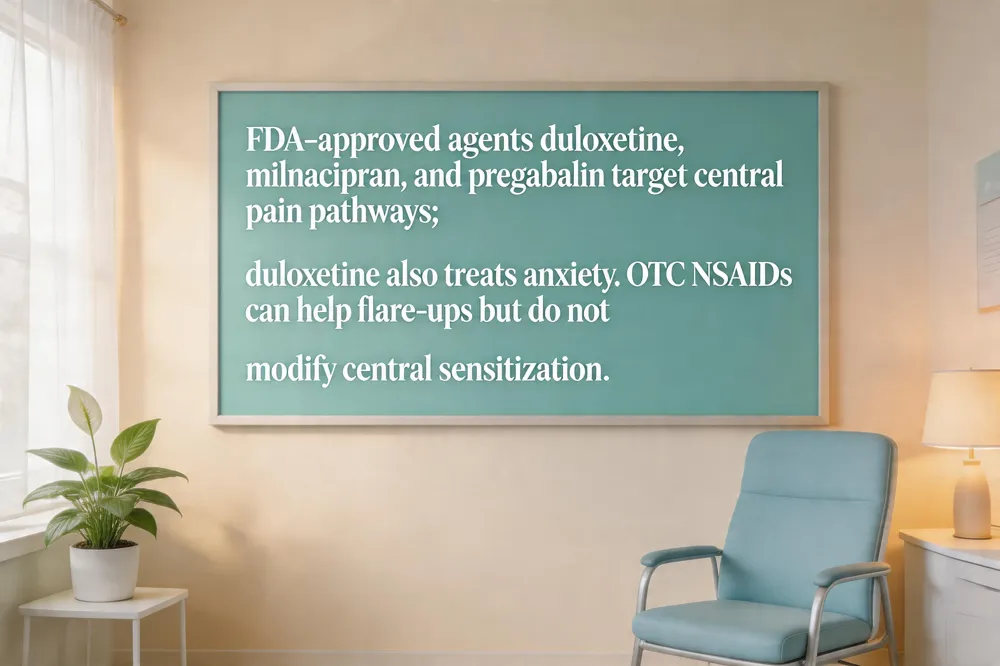 The FDA has approved three central‑acting agents for fibromyalgia: duloxetine (Cymbalta), milnacipran (Savella) and pregabalin (Lyrica). Duloxetine and milnacipran are SNRIs that boost serotonin and norepinephrine to dampen pain signals; pregabalin reduces neuronal excitability. These drugs target chronic pain pathways and form the backbone of medication management.
What is the best painkiller for fibromyalgia? No single “best” painkiller exists. The three FDA‑approved agents are most effective, often combined with low‑dose tricyclics or muscle relaxants. OTC NSAIDs (ibuprofen, naproxen) may help flare‑ups but do not address central sensitization.
What is the best over‑the‑counter medicine for fibromyalgia? Ibuprofen and naproxen are the most common OTC analgesics, providing modest, short‑term relief for mild spikes. Acetaminophen is another option, yet none modify the underlying nervous‑system dysfunction.
Best medication for fibromyalgia and anxiety? Duloxetine is FDA‑approved for both pain and generalized anxiety disorder, offering simultaneous control. Milnacipran may also lessen anxiety; pregabalin can help off‑label.
What are the three primary medications for fibromyalgia? Duloxetine, milnacipran, and pregabalin.
Latest treatment options for fibromyalgia? The new sublingual cyclobenzaprine (Tonmya) improves sleep and pain. Emerging approaches include low‑dose naltrexone, spinal‑cord stimulation, and complementary therapies—exercise, CBT, mindfulness, acupuncture, and yoga—integrated into a multidisciplinary plan.
Flare‑ups: Recognition, Triggers, and Immediate Coping
 A fibromyalgia flare‑up is a sudden, often days‑long exacerbation of the diffuse musculoskeletal ache that characterizes the condition, accompanied by heightened fatigue, sleep disturbance, and “fibro‑fog.” Triggers are multifactorial: emotional or physical stress, poor sleep, weather changes, sensory overload (bright lights, loud noises, strong odors), over‑exertion, cold drafts, and certain foods (e.g., added sugars, caffeine) can all precipitate a flare.
During a flare, pain‑reduction strategies focus on gentle, low‑impact movement (short walks, swimming, tai chi, or yoga) to maintain circulation without over‑loading muscles. Heat therapy—warm showers, microwavable or air‑activated heat pads, hot‑water bottles—relaxes myofascial trigger points and improves blood flow. Applying lidocaine or menthol‑based topical analgesics and performing a 10‑15‑second trigger‑point massage with a tool like a Thera Cane can further diminish localized discomfort.
Pacing is essential: break tasks into short, manageable segments, schedule demanding activities between 10 a.m. and 4 p.m. (the peak energy window), and take two 10‑minute rest breaks each day with deep‑breathing or guided visualization. Consistent sleep hygiene—regular bedtime (10 p.m.–6 a.m.), a cool, dark bedroom, and a calming pre‑sleep routine—supports restorative rest and reduces the pain‑fatigue cycle.
Stress‑reduction techniques such as mindfulness meditation, CBT lower cortisol and sympathetic tone, helping to calm the nervous system.
Together, these lifestyle measures—gentle exercise, heat, pacing, sleep hygiene, and stress management—provide a multimodal buffer that can blunt symptom intensity and hasten return to baseline during a flare‑up.
Exercise, Activity, and Weight‑Loss Strategies
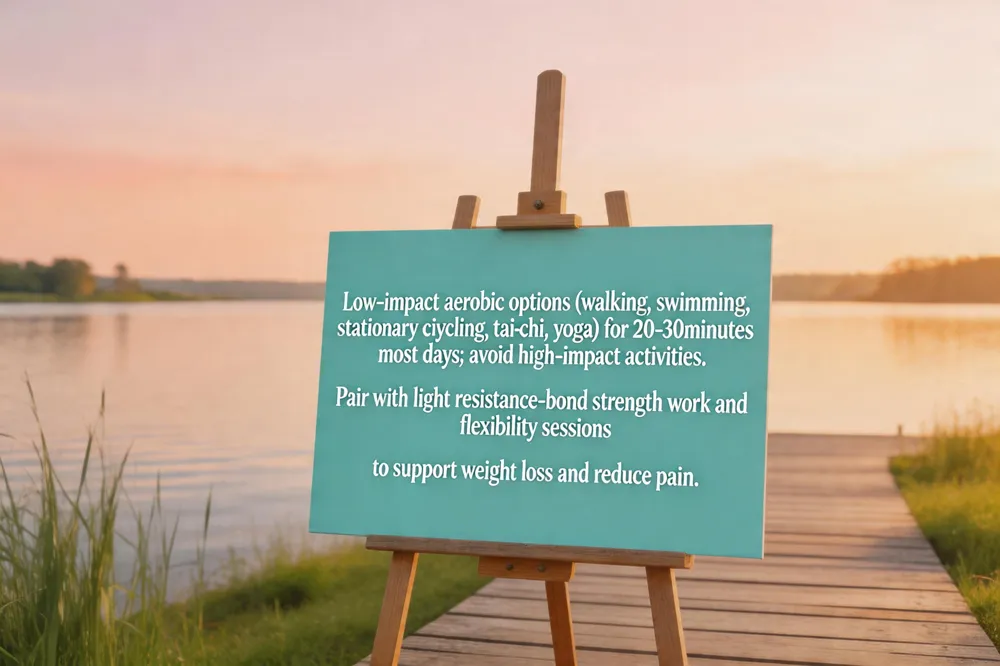 Low‑impact aerobic options that are safe for fibromyalgia
Gentle movement such as walking, swimming, stationary cycling, tai chi, yoga, or slow‑pace biking is preferred. These activities improve circulation, stimulate brain‑body communication, and trigger exercise‑induced hypoalgesia without over‑taxing myofascial trigger points. Aim for 20‑30 minutes most days, keeping intensity at a “talk‑test” level.
Low‑impact aerobic options that are safe for fibromyalgia
Gentle movement such as walking, swimming, stationary cycling, tai chi, yoga, or slow‑pace biking is preferred. These activities improve circulation, stimulate brain‑body communication, and trigger exercise‑induced hypoalgesia without over‑taxing myofascial trigger points. Aim for 20‑30 minutes most days, keeping intensity at a “talk‑test” level.
High‑impact activities to avoid Fibromyalgia exercises to avoid. High‑impact activities such as running, jumping, or aerobics classes that involve rapid, repetitive pounding on joints can trigger flare‑ups and increase fatigue. Heavy resistance work, prolonged standing or sitting without movement, and intense cardio that pushes you well beyond a comfortable heart‑rate zone may exacerbate symptoms. Choose low‑impact, moderate‑intensity options and listen to your body’s signals.
Guidelines for a weight‑loss workout plan
Fibromyalgia workout for weight loss. Combine low‑impact cardio with gentle strength and flexibility work. Begin with 20‑30 minutes of walking, swimming, or stationary cycling most days. Add 2‑3 sessions per week of resistance‑band or light‑weight exercises (e.g., seated rows, wall squats). Incorporate yoga, Pilates, or tai chi for flexibility and relaxation. Pause for brief rest breaks when pain or fatigue spikes, and gradually increase total weekly activity toward the recommended 150 minutes of moderate exercise while monitoring symptoms.
Incorporating strength and flexibility training Strengthening the core and major muscle groups with light resistance improves posture and reduces trigger‑point fatigue. Flexibility sessions (stretching, yoga, tai chi) enhance range of motion, lower muscle tension, and support better sleep. Together, these components create a balanced, fibromyalgia‑friendly regimen that promotes weight loss, reduces pain, and preserves energy.
Nutrition, Supplements, and Everyday Comforts
 Adopting an anti‑inflammatory diet is a cornerstone of fibromyalgia self‑care. Focus on fruits, vegetables, whole grains, lean protein and omega‑3‑rich fish while limiting processed sugars, excess caffeine and potential triggers such as gluten or MSG. Magnesium (≈500 mg chelated daily) and vitamin D (800–1,000 IU) aid muscle relaxation, nerve health and sleep; omega‑3 fatty acids (1 g EPA/DHA) reduce cytokine‑driven pain. Other natural agents—curcumin, CoQ10, B‑vitamins, melatonin or acetyl‑L‑carnitine—may help fatigue and mood, but discuss them with a clinician.
Heat‑therapy tools like electric blankets, microwavable wraps or air‑activated pads give warmth that relaxes muscles, improves circulation and promotes deeper sleep. Choose a certified blanket, set a low‑to‑medium temperature and use a timer to avoid overheating.
Sleep‑hygiene tips: keep a consistent 10 p.m.–6 a.m. schedule, a cool dark bedroom, limit screens and caffeine after noon, and use a pre‑sleep routine (warm bath, gentle stretch). Reduce sensory overload by dimming bright lights, wearing soft fabrics and minimizing strong odors.
Natural supplements for fibromyalgia pain – Magnesium, vitamin D, omega‑3, curcumin and CoQ10 have benefit; consult your physician. How to deal with fibromyalgia naturally? – Combine gentle exercise, anti‑inflammatory diet, sleep hygiene, stress‑reduction and safe heat‑therapy. Diet and lifestyle modifications – Anti‑inflammatory foods, hydration, low‑impact activity, pacing and targeted supplements. Are electric blankets good for fibromyalgia? – Yes, when used safely they relax muscles and improve sleep, complementing other therapies.
Support Networks, Education, and Financial Resources
 Patient‑education programs are the foundation of self‑management. Reputable sources such as MedlinePlus, the National Institute of Arthritis and Musculoskeletal and Skin Diseases, and the American Fibromyalgia Syndrome Association provide evidence‑based guides on exercise, sleep hygiene, pacing, and complementary therapies. Many clinics offer workshops that teach cognitive‑behavioral coping, relaxation techniques, and safe home‑exercise routines.
clinical trial participation gives access to emerging treatments and helps advance knowledge. The NIH ClinicalTrials.gov portal lists ongoing fibromyalgia studies; enrolling patients receive close monitoring and often free study medications, while clinicians gain early insight into novel interventions such as low‑dose cyclobenzaprine sublingual tablets.
Financial assistance is essential because medications, therapy, and adaptive devices can be costly. Insurance typically covers FDA‑approved drugs (pregabalin, duloxetine, milnacipran) and physical‑therapy referrals. Programs such as Social Security Disability Insurance, Supplemental Security Income, state Medicaid pharmacy assistance, and nonprofit patient‑assistance foundations (Simplefill, NeedyMeds) provide prescription discounts or free supplies. The AFSA’s research grants and local charities also fund low‑cost diagnostic tools and transportation vouchers.
Community support groups—both in‑person and online (e.g., Fibromyalgia Action UK, HealthUnlocked)—offer emotional validation, coping strategies, and peer‑to‑peer education. Counseling services, including CBT and ACT, are often covered by health plans and help reduce stress‑related flare‑ups.
Financial help for fibromyalgia sufferers. Insurance may cover medications, therapy, and specialist visits; SSDI/SSI, pharmacy assistance programs, and nonprofit patient‑aid funds can lower out‑of‑pocket costs.
How to deal with fibromyalgia naturally? Emphasize low‑impact aerobic activity (walking, swimming, yoga), anti‑inflammatory diet, consistent sleep hygiene, stress‑reduction (mindfulness, deep breathing), and safe modalities like warm baths, massage, acupuncture, and magnesium/vitamin D supplementation after medical review.
What helps calm down fibromyalgia symptoms? Regular gentle exercise, restorative sleep, CBT/ACT, heat therapy, topical analgesics, trigger‑point massage, activity pacing, ergonomic aids, and, when needed, prescribed medications such as duloxetine or low‑dose amitriptyline.
Putting It All Together: Your Personal Action Plan
Effective fibromyalgia management blends medication, lifestyle habits, and supportive resources into a coordinated plan that evolves with your needs. First‑line pharmacologic options include the three FDA‑approved drugs (pregabalin, duloxetine, milnacipran) plus low‑dose antidepressants, anti‑seizure agents, or muscle relaxants as directed by your clinician. Complement these with daily low‑impact aerobic activity (walking, swimming, yoga, tai chi) that gradually builds endurance, and practice pacing—break tasks into short intervals, schedule demanding work between 10 a.m. and 4 p.m., and insert two brief rest breaks each day. Prioritize sleep hygiene (consistent 10 p.m.–6 a.m. schedule, cool dark bedroom, limited caffeine) and stress‑reduction techniques such as CBT, mindfulness, or guided breathing. Use heat therapy, gentle trigger‑point massage, and ergonomic aids to soothe muscle tension. Join a Fibromyalgia Action Group and consider the multidisciplinary services at the California Pain Institute, where physical therapy, counseling, and complementary therapies are integrated. Regularly review symptom journals with your care team so medications, exercise intensity, and self‑care tools can be adjusted promptly for optimal, individualized relief.